
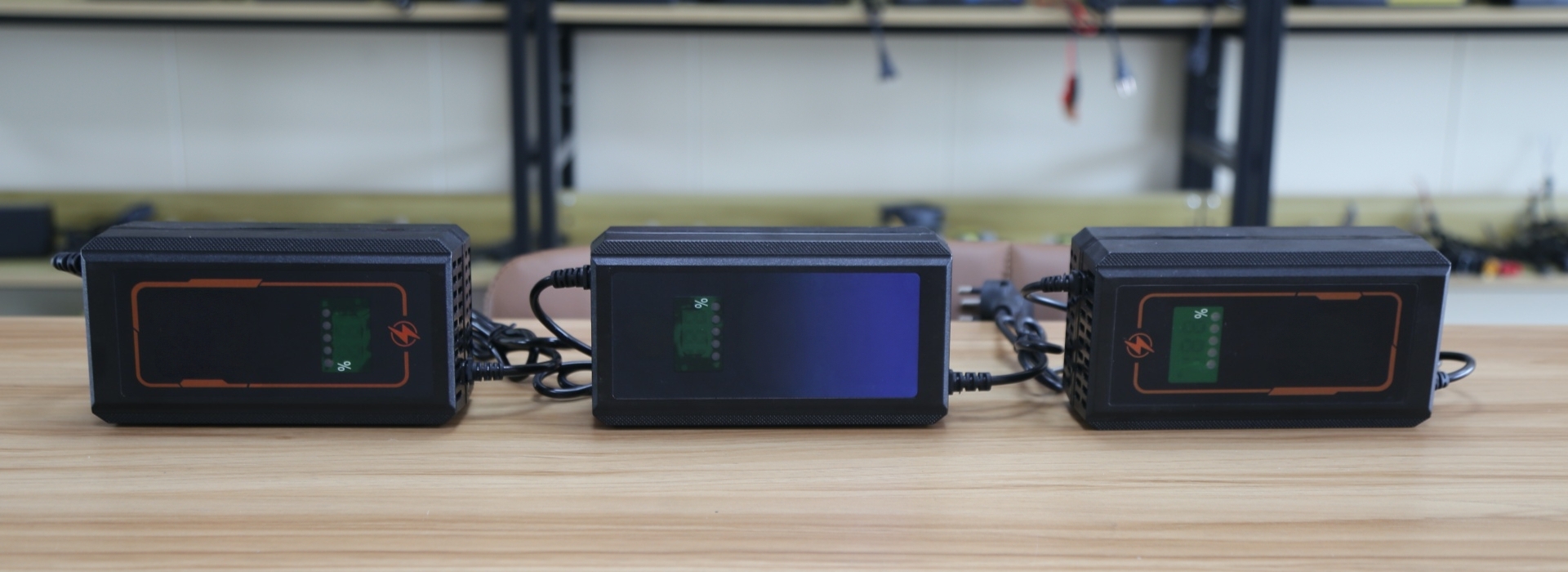
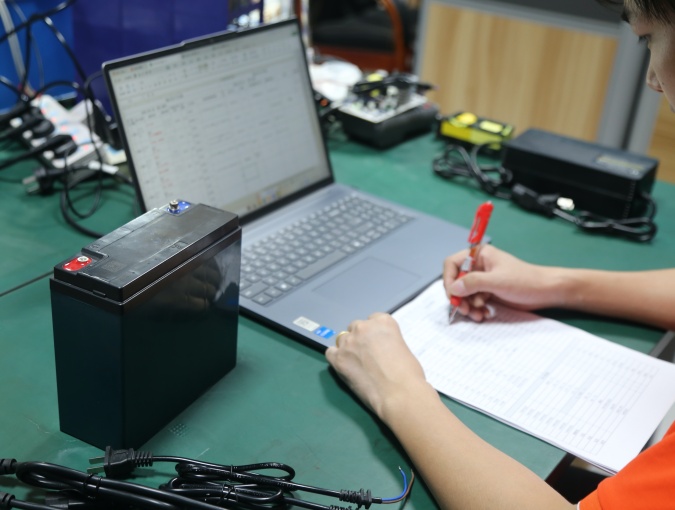
1.Requirement & Battery Specification Analysis
We first review the battery type, nominal voltage, full‑charge voltage, capacity, required charging current, BMS information, application, connector, local AC input, operating environment, and target market. Defining these inputs before circuit selection helps reduce specification mismatch later in the project.
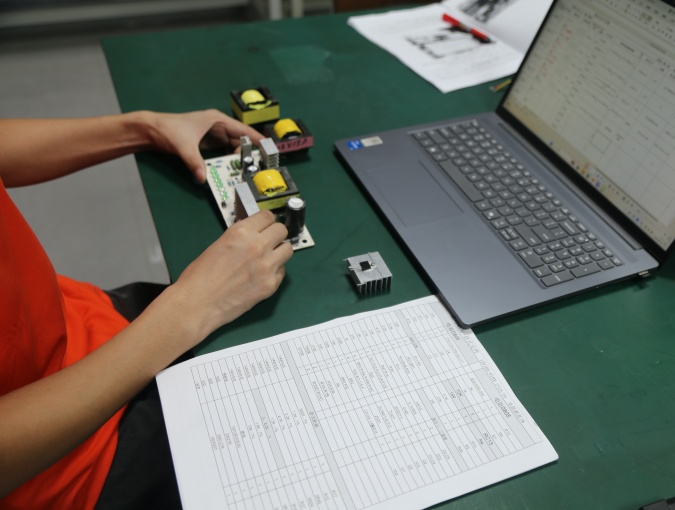
2.Charging Solution & Electrical Architecture
Based on the confirmed battery and project requirements, Linjia develops or matches the charging solution. Charging logic, electrical parameters, protection requirements, input configuration, and key component direction are reviewed before the design moves forward.
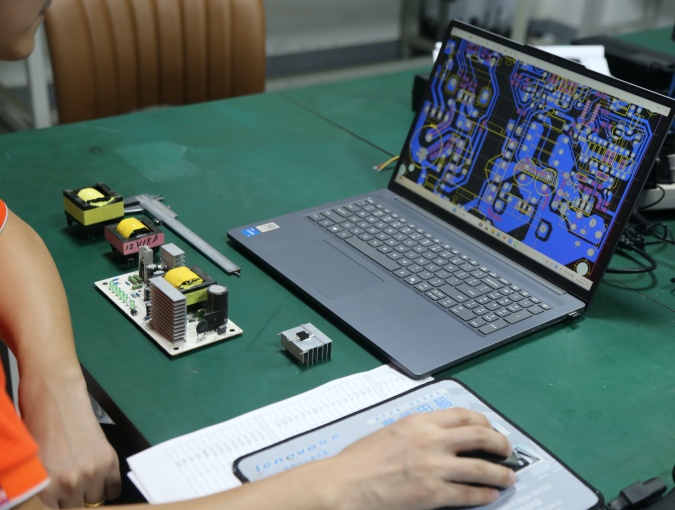
3.Circuit & PCB Design
The approved electrical direction is translated into circuit and PCB design. Component arrangement, internal layout, interface position, and coordination with the intended housing and assembly structure are considered before prototype preparation.
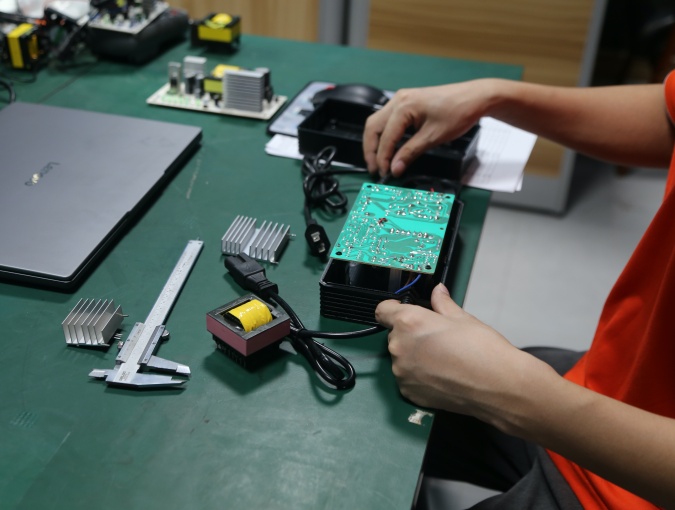
4.Prototype / Sample Preparation
The first engineering sample is prepared according to the confirmed development scope. Depending on the project, the sample can include custom electrical parameters, connector and cable configuration, housing structure, labels, and other project‑specific items that need to be verified before production.
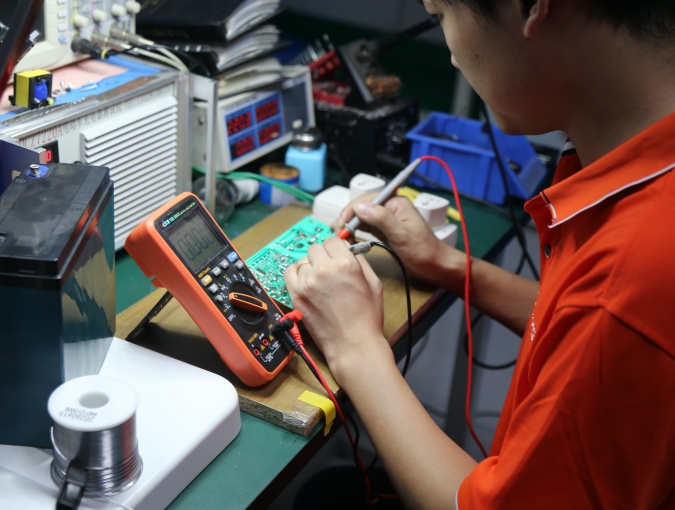
5.Electrical & Charging Verification
The sample is checked against the intended specification, including relevant output performance, charging behavior, connector and polarity configuration, and other agreed electrical requirements. Findings from the sample are used to identify items that need adjustment before approval.
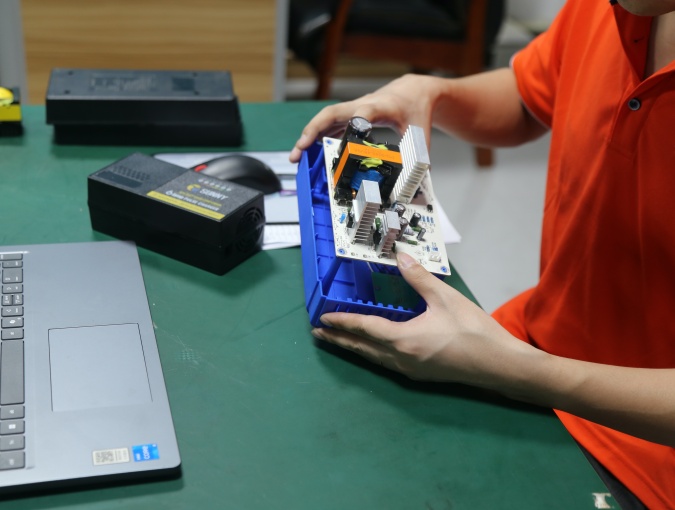
6.Structure, Thermal & Interface Optimization
PCB layout, housing, cooling method, cable routing, connector position, assembly space, and intended operating environment are reviewed together. For demanding applications, the input range, component configuration, thermal design, housing materials, cable, and protection requirements can be further evaluated according to the project.
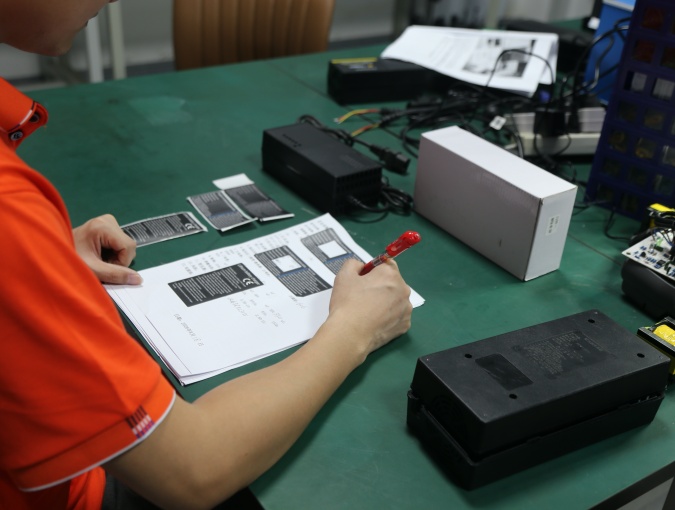
7.Sample Approval & Change Control
Before pilot or mass production, the approved sample and key project specification are confirmed as the reference. Electrical parameters, connector, polarity or pin definition, cable, housing, labels, and packaging should be recorded so later changes can be reviewed and controlled.
8.Transfer to Pilot / Mass Production
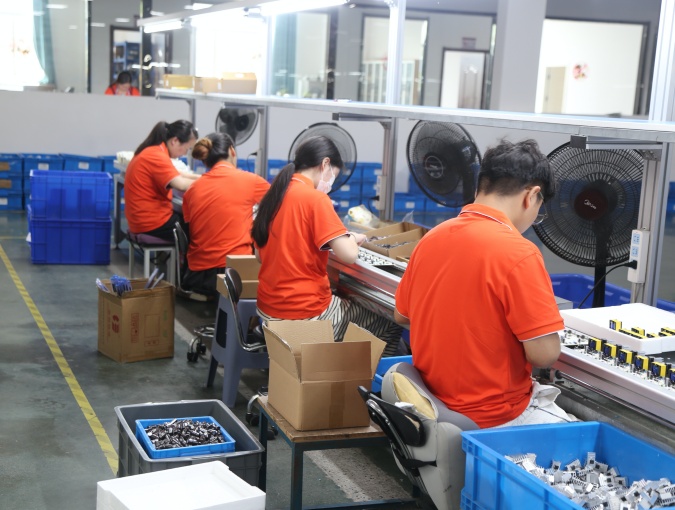
After approval, the charger moves into production preparation, PCB manufacturing, assembly, applicable housing or potting processes, electrical testing, high‑voltage insulation checks, burn‑in, packing, and batch delivery. The development result becomes a repeatable production reference rather than remaining only as a prototype.
Linjia Custom Charger R&D Department
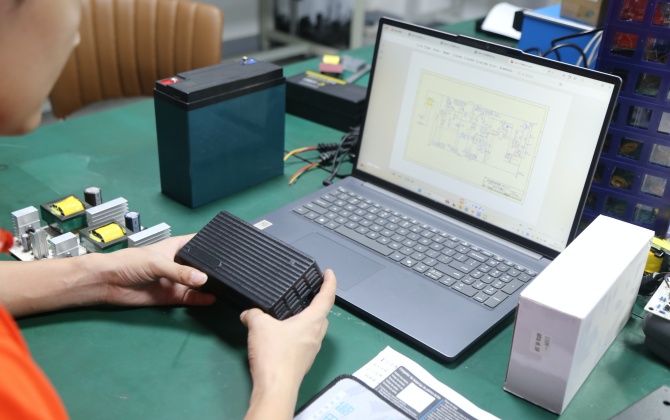
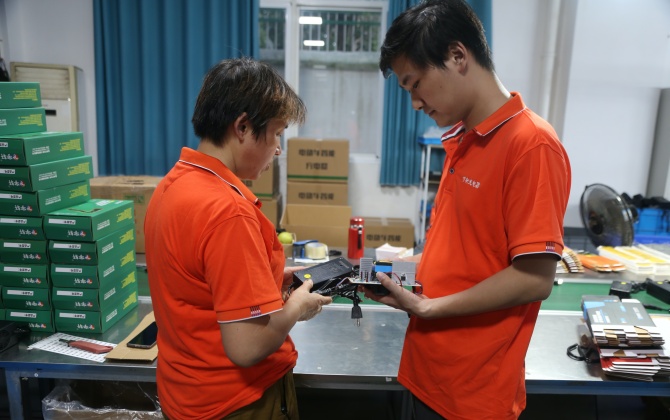
This is where battery and equipment requirements are turned into charger specifications, circuits, PCB layouts, structural requirements, prototypes, and production‑ready project references. Linjia’s core technical team has more than 20 years of experience in charging power technology, and the company has multiple utility model patents related to battery chargers.
The R&D function works with manufacturing rather than as an isolated design office. Charging‑solution and PCB development can be coordinated with structural design, housing mould development and in‑house injection moulding, final assembly, testing, and batch delivery.
For international OEM and ODM customers, this reduces the number of disconnected suppliers involved in one charger project and helps keep the battery specification, electrical solution, interface, structure, validation, and later production reference aligned.