Frequently Asked Questions About 7.8V Lithium Battery Chargers
What Is the Difference Between a 7.8V-Output Lithium Battery Charger and a 6V Lead-Acid Battery Charger?
The two charger types may both be used with selected 6V battery packs, but their output voltage, charging profile, and charge-termination logic are different. Linjia's catalogue lists the 7.8V1.2A and 7.8V1.8A lithium charger models at DC 7.8 +/- 0.2V output, while the listed 6V lead-acid charger output is DC 6-7.3V.
A lithium charger must also match the battery chemistry, cell configuration, required full-charge voltage, and BMS requirements. Lithium and lead-acid chargers are therefore not interchangeable simply because the battery packs share a 6V nominal-voltage category. Using the wrong charger may cause incomplete charging, BMS cutoff, excessive heat, battery damage, or a safety risk. Buyers should verify the battery label or datasheet before ordering.
In Which Applications Are 7.8V Lithium Battery Chargers Usually Used?
These chargers are intended for selected 6V lithium battery packs that require a DC 7.8 +/- 0.2V charger output and are used in small energy storage equipment and other battery-powered products. They may be supplied with new equipment or sold as an approved replacement charger through battery brands, importers, wholesalers, and distributors.
The equipment type alone does not determine compatibility. The battery manufacturer must specify a charging voltage compatible with the charger's DC 7.8 +/- 0.2V output, together with an approved current, BMS, connector, and polarity. If any of these details are unknown, a sample or battery datasheet should be checked before production.
Does the 7.8V Lithium Battery Charger Support Customization for Equipment or Brand Requirements?
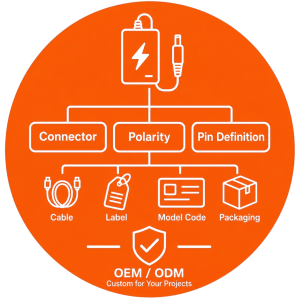
Yes. For equipment-manufacturer, battery-brand, importer, or distributor orders, Linjia can configure the AC input version, regional plug, output connector, connector polarity, pin definition, cable length, label, private model code, and branded packaging. These items are recorded in the approved specification before mass production.
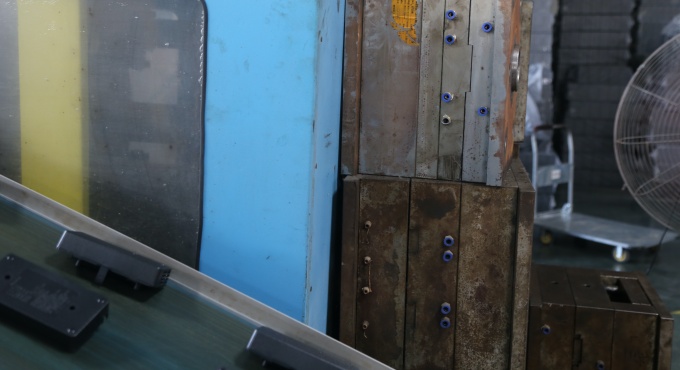
For projects requiring more than external configuration, Linjia can also evaluate ODM development of the charging circuit, charge profile, housing structure, and private mould. The development scope, validation method, order quantity, and lead time are confirmed according to the actual project.
What Charging Currents and Battery Capacity Ranges Are Commonly Recommended?
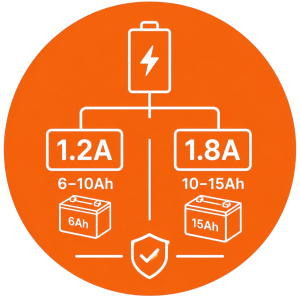
Linjia's catalogue lists two models for this 7.8V lithium charger range. Model 7.8V1.2A provides DC 1.2 +/- 0.2A and is assigned to selected 6V, 6-10Ah lithium battery packs. Model 7.8V1.8A provides DC 1.8 +/- 0.2A and is assigned to selected 6V, 10-15Ah lithium battery packs.
These ranges are practical selection references rather than a substitute for the battery manufacturer's instructions. The final current must be checked against the cell chemistry, BMS current limit, preferred charging time, ambient temperature, and expected duty cycle. Choosing a higher current only to shorten charging time can increase heat or trigger the BMS if the battery is not designed for it.
What Are the Common Structures of a 7.8V Lithium Battery Charger?
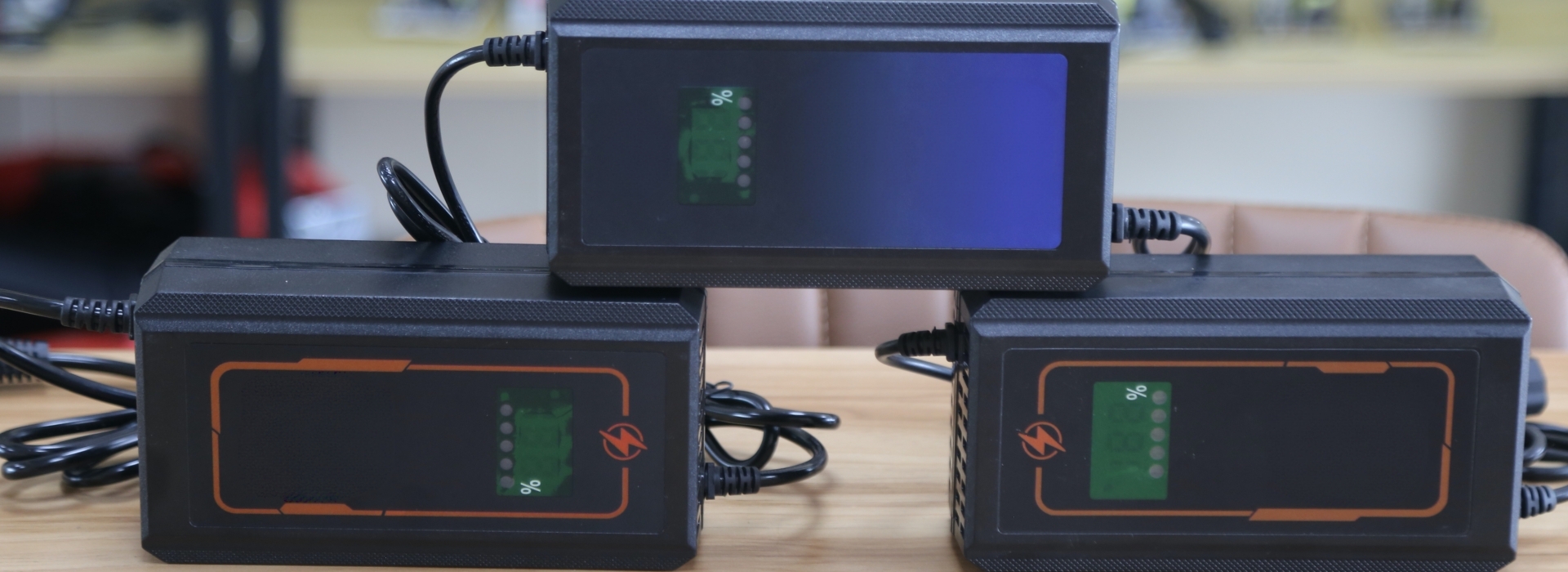
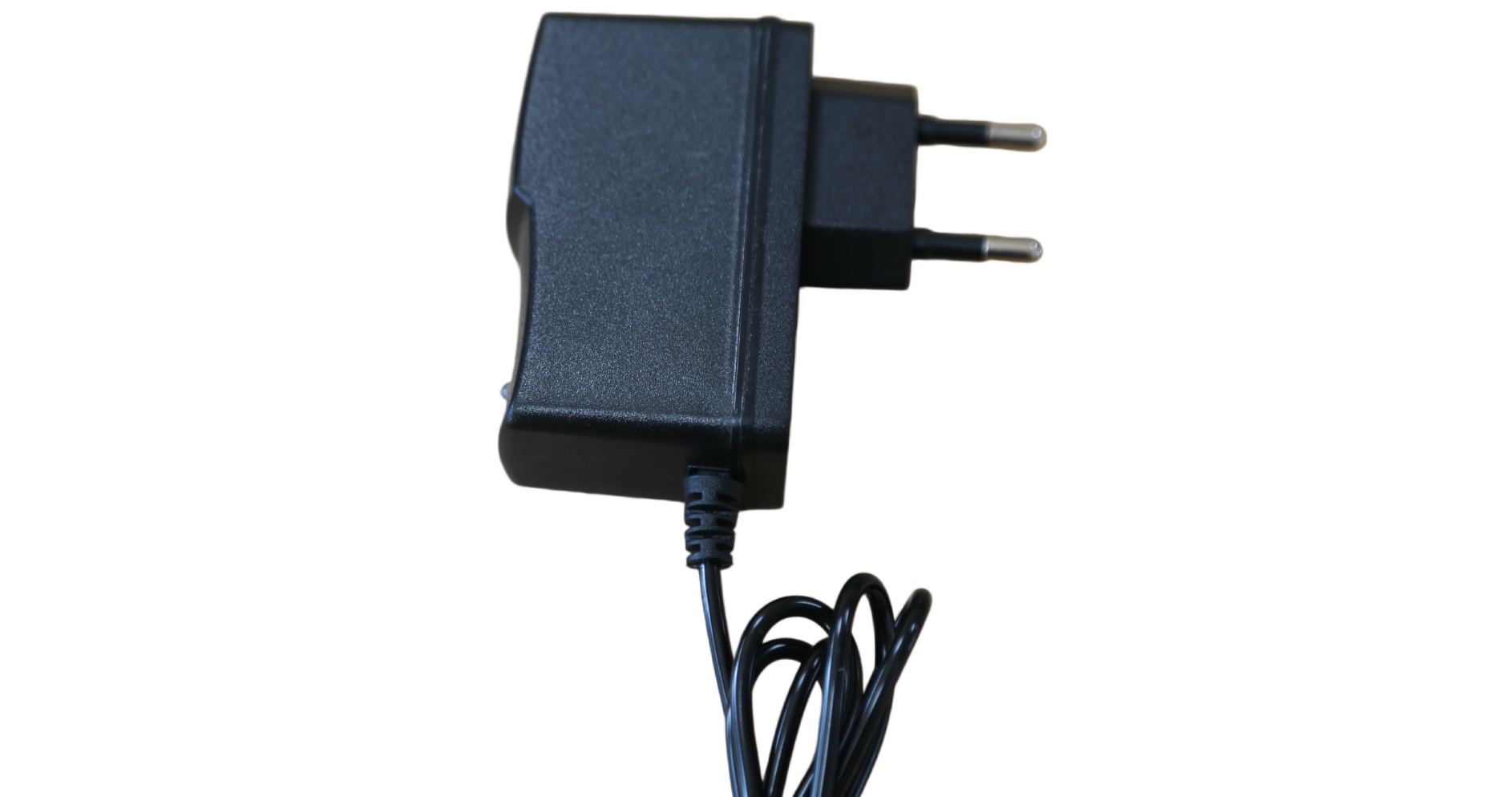
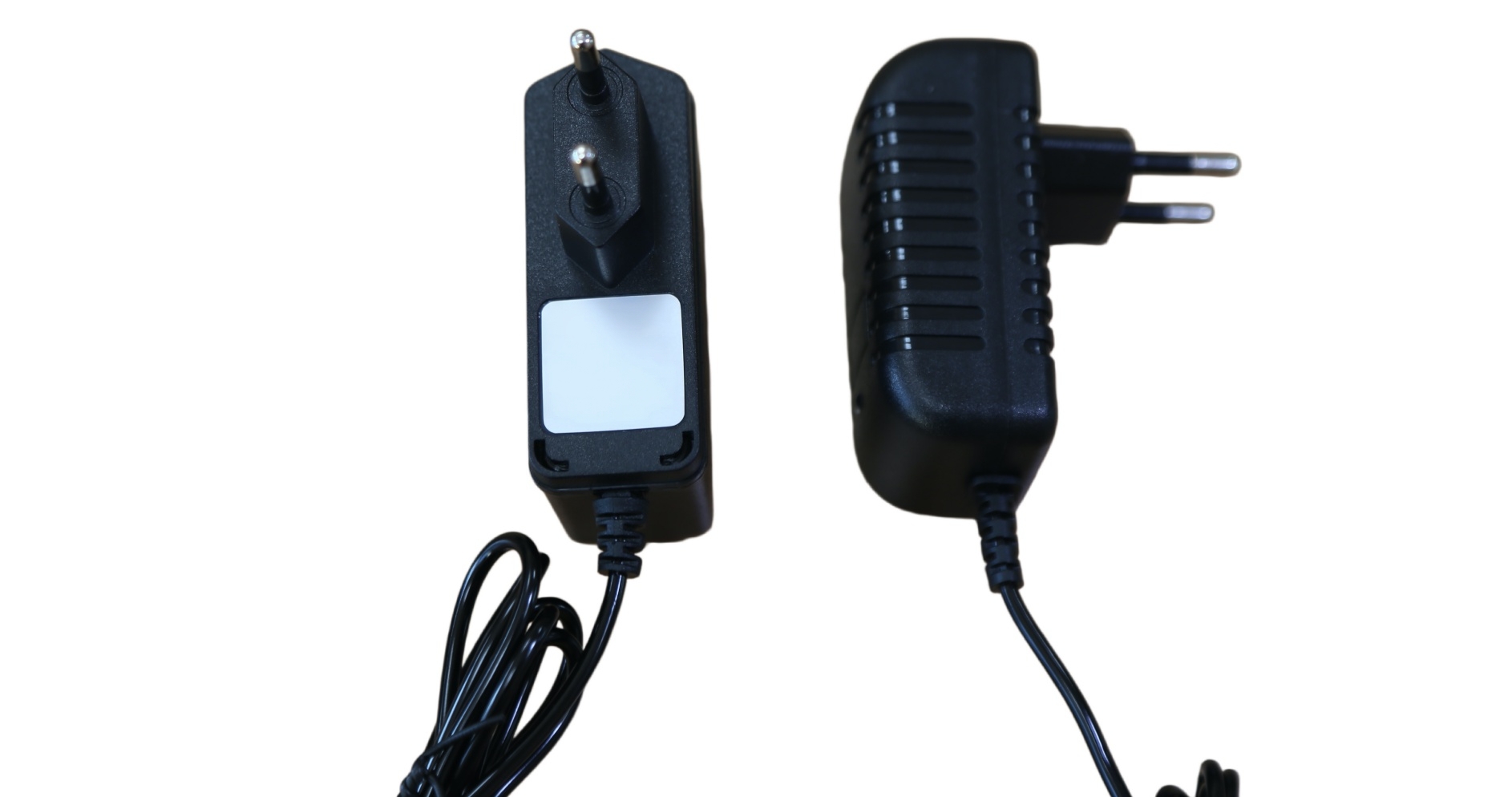
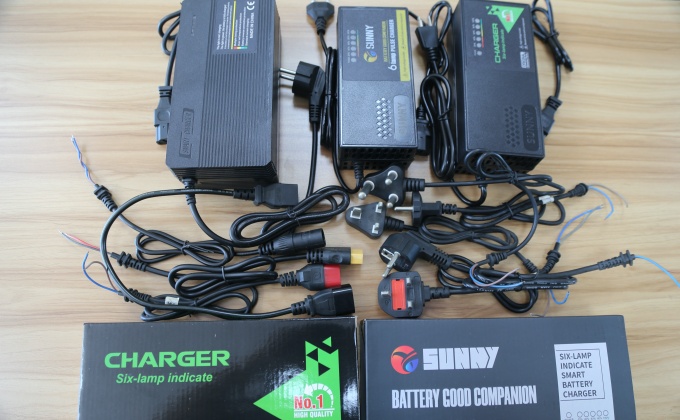
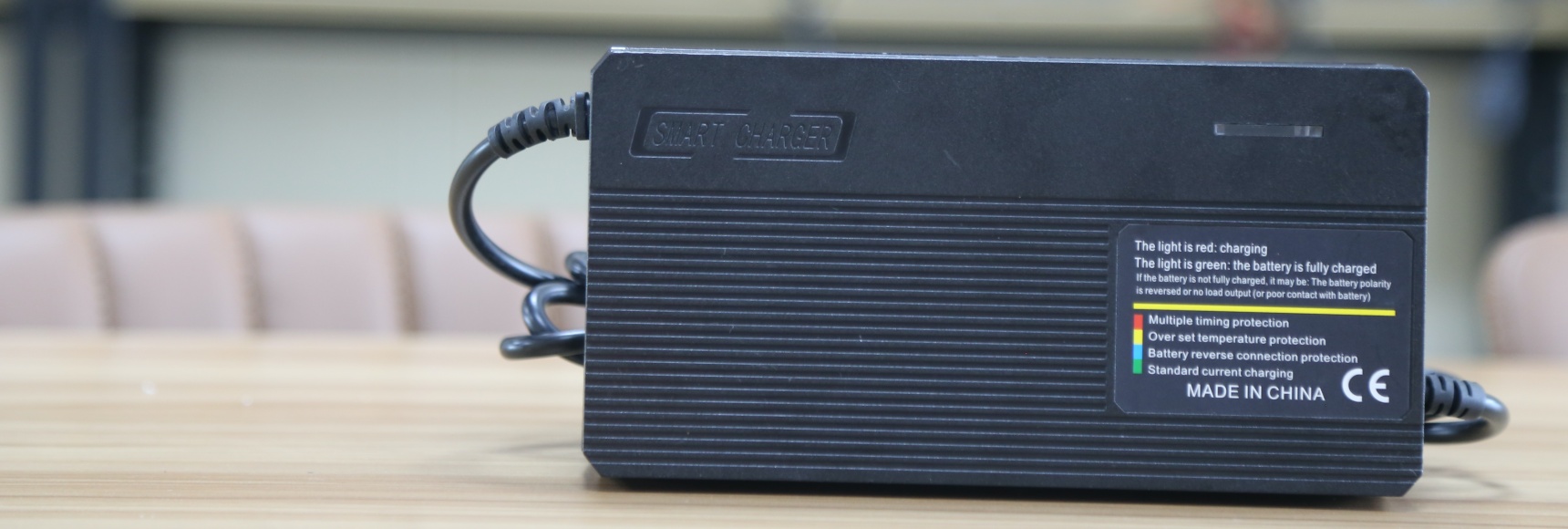
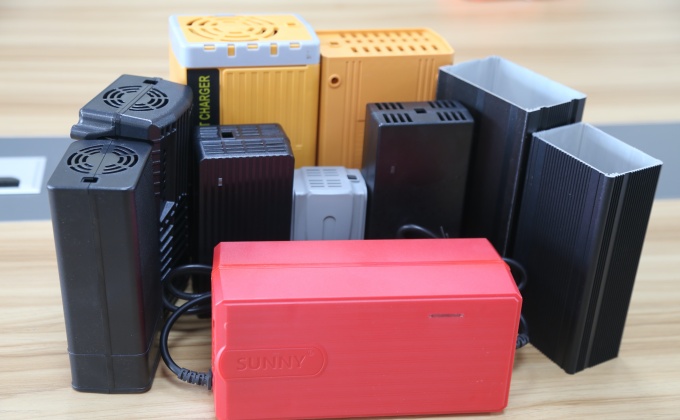
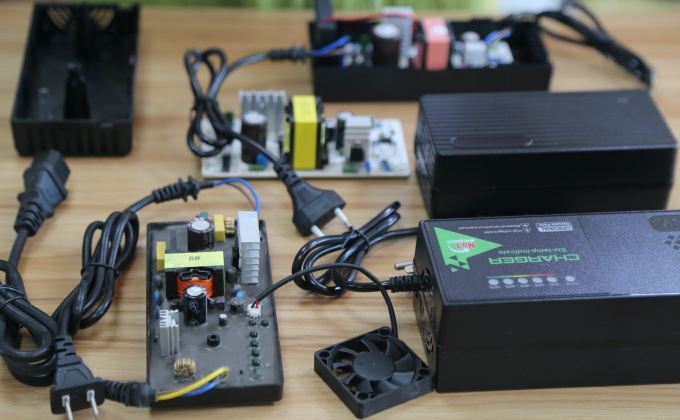
The catalogue product is a compact enclosed adapter charger suitable for supply with a finished battery-powered product or sale as a replacement unit. Its low-power format simplifies storage, packaging, and distribution, while the required wall plug and DC output interface can be configured for the target market.
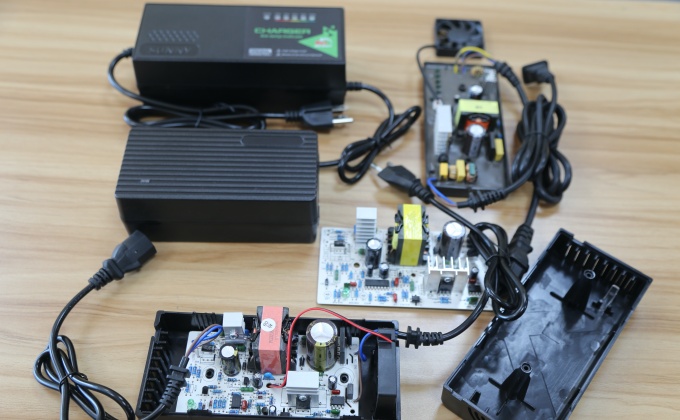
For separate OEM or ODM projects, Linjia can evaluate alternative charger structures according to the actual application, installation, thermal, insulation, and service requirements. Any non-standard structure should be confirmed separately rather than assumed to be part of the standard 7.8V1.2A or 7.8V1.8A catalogue configuration.
What Battery Information Is Required Before Selecting a 7.8V Lithium Battery Charger?
The charger model name "7.8V" does not mean that the battery itself has a nominal voltage of 7.8V. For the catalogue models covered on this page, buyers should provide the battery chemistry, cell series configuration, nominal voltage, required full-charge voltage, capacity in amp-hours, permitted charging current, BMS limits, and the battery manufacturer's charging instructions.
Linjia should also receive a clear connector photo or physical sample, polarity and pin definitions, and details of the operating environment. The catalogue's DC 7.8 +/- 0.2V charger output does not mean that the charger is suitable for every lithium battery. Compatibility must be established from the actual battery data.
What AC Input Versions Are Available for Different Markets?
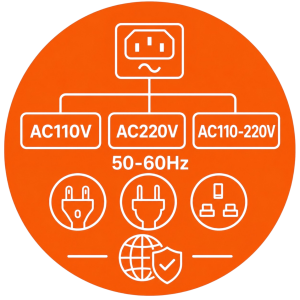
The product catalogue lists AC110V, AC220V, and AC110-220V input options at 50-60Hz. A fixed-input model can be selected for a defined market, while a wide-input version is more suitable when one approved charger specification must serve markets with different mains voltages.
The wall plug must also match the destination country and sales channel. Buyers should confirm the nominal grid voltage, frequency, plug type, and expected voltage fluctuation before approval. If the local grid is unstable, Linjia can evaluate the required input-voltage margin, protection functions, component configuration, and thermal design for the project.
Which Plugs, Connectors, and Cables Can Be Configured?
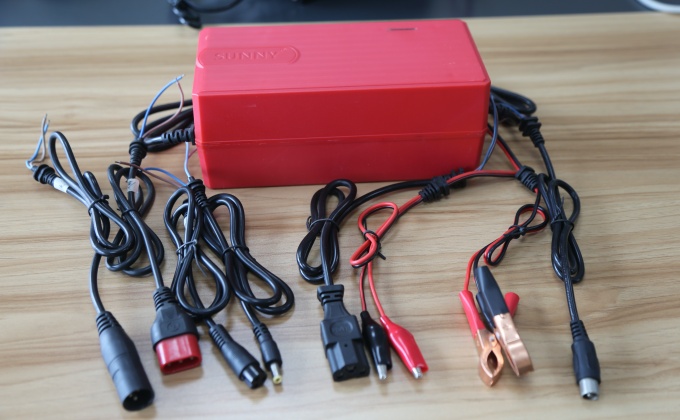
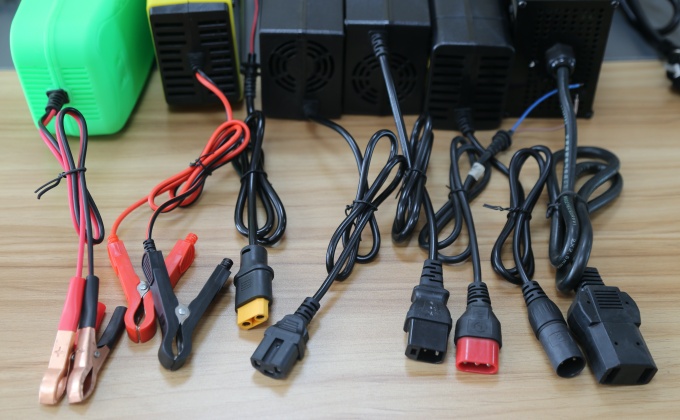
Regional AC plugs and different DC output interfaces can be configured according to the order. To avoid an interface that fits mechanically but is wired incorrectly, buyers should provide a connector sample or clear dimensional photo together with the polarity, pin definition, cable length, and cable-rating requirements.
Connector confirmation is especially important when a distributor sells replacement chargers for several battery models. Visually similar connectors may use different positive and negative assignments. Linjia records the approved connector and wiring definition for production and verifies them during finished-product inspection.
Which OEM Branding and Packaging Options Are Supported?
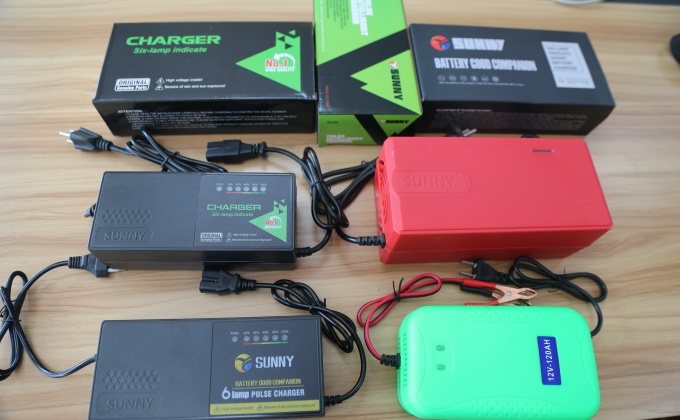
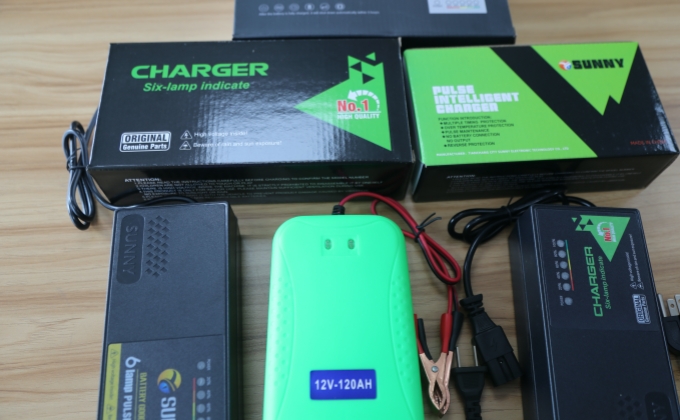
OEM orders can use an approved customer logo, local-language label, private model code, rating-label layout, inner packaging, and outer-carton marks. The displayed electrical information must remain consistent with the confirmed charger specification and any applicable market requirements.
Branding artwork and packaging references should be approved before production. This allows importers, wholesalers, and battery brands to keep model identification consistent across purchasing, warehousing, sales, and after-sales service, reducing confusion between chargers that may look similar but have different electrical outputs or connectors.
What Is the Difference Between the 1.2A and 1.8A Models?
The 7.8V1.2A model is assigned to selected 6V, 6-10Ah lithium battery packs, while the 7.8V1.8A model is assigned to selected 6V, 10-15Ah lithium battery packs. The 1.8A model can deliver more charging current and may reduce charging time when the battery and BMS are designed to accept it. The 1.2A model places a lower current load on the battery and is matched to the smaller listed capacity range.
A larger current is not automatically a better choice. Actual charging time also depends on the battery's state of charge, charge profile, BMS behaviour, temperature, battery age, and losses. The battery manufacturer's maximum and recommended charging currents should take priority over a simple capacity-based estimate.
Does the 7.8V Lithium Battery Charger Include Electrical Protection?
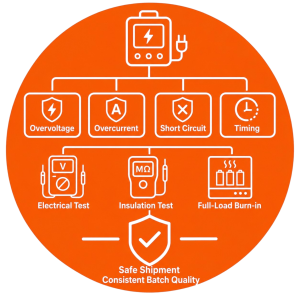
The lithium models listed in Linjia's catalogue include overvoltage, overcurrent, short-circuit, and timing protection. Protection details must still be confirmed in the approved specification, particularly when an OEM or ODM project changes the circuit, connector, cable, or charging logic. Protection functions cannot make an electrically mismatched charger safe for the wrong battery.
How Is Charging Safety Controlled Before Shipment?
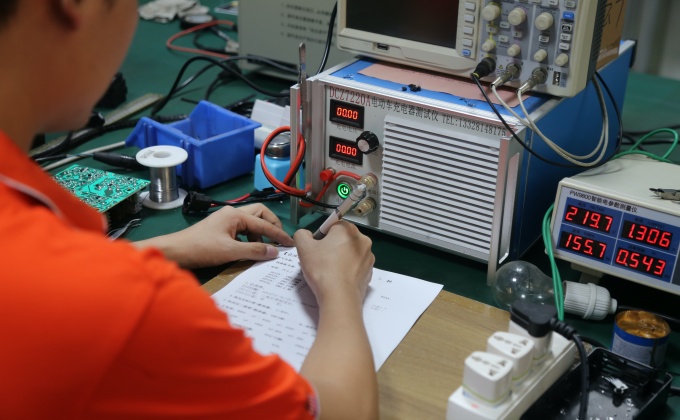
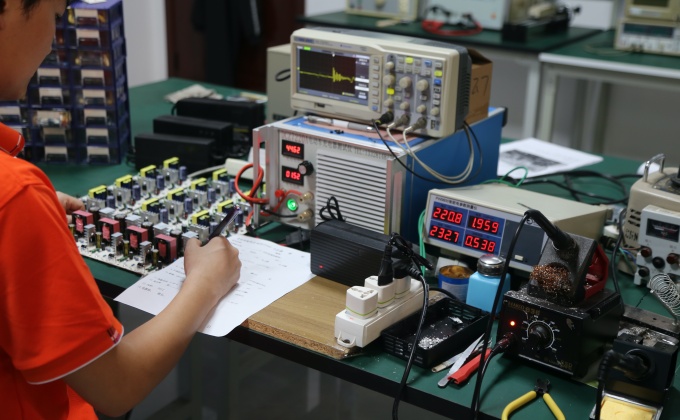
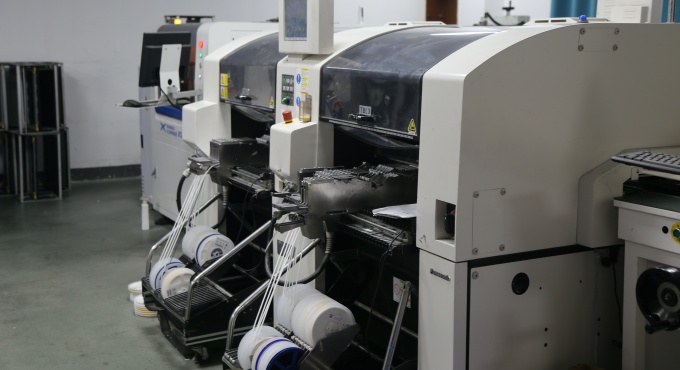
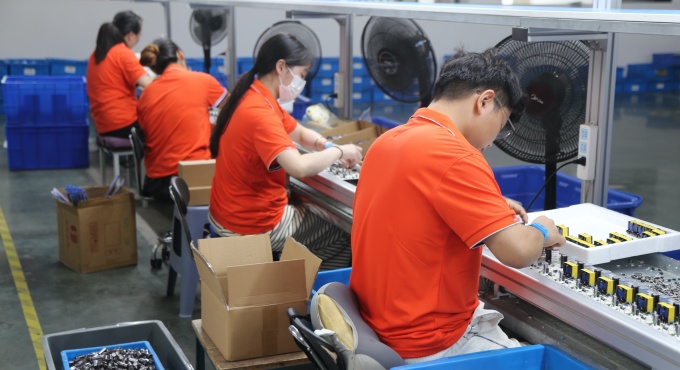
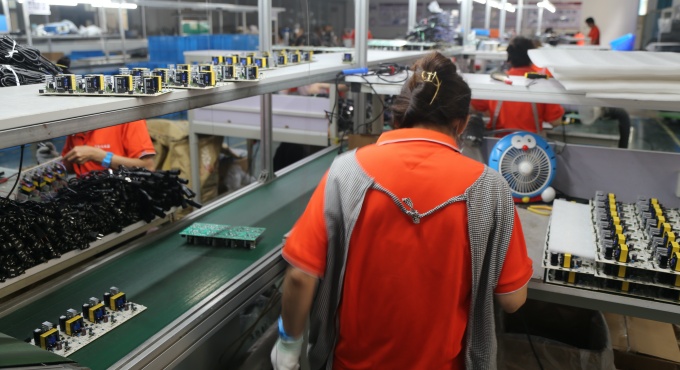
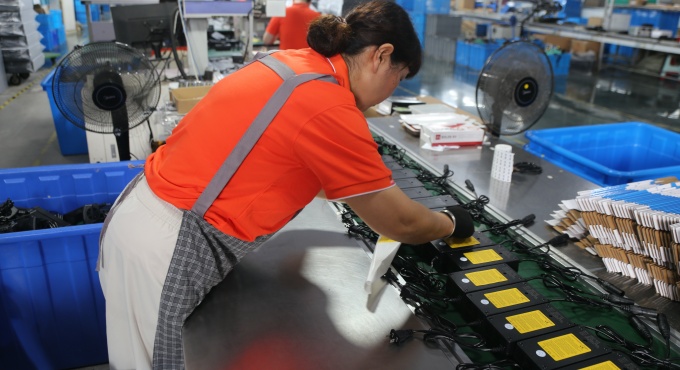
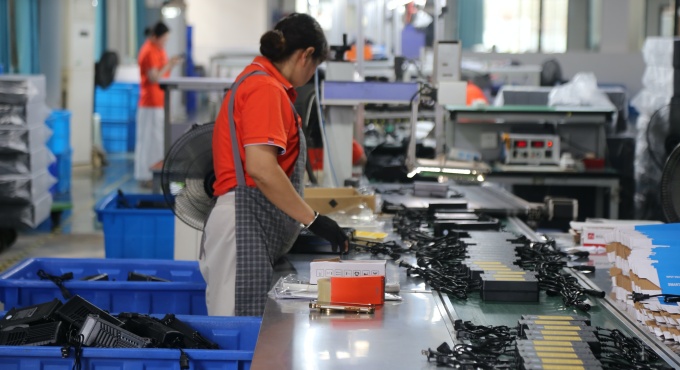
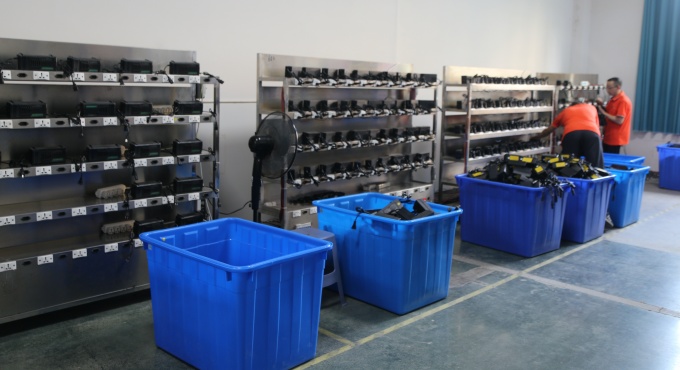
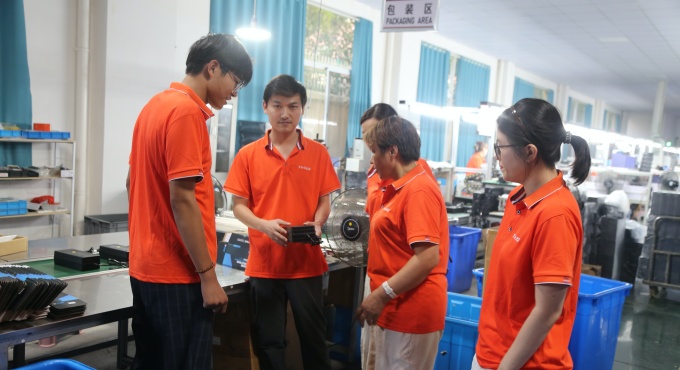
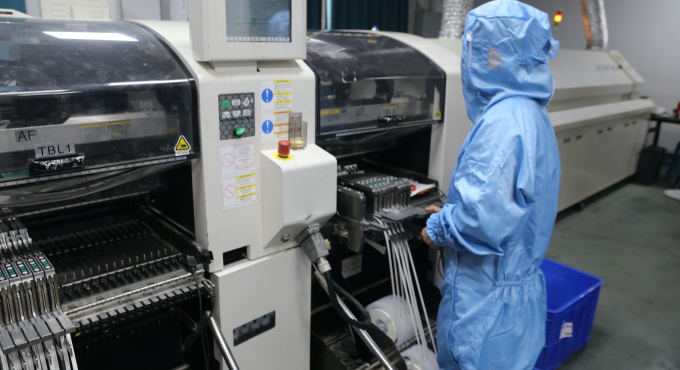
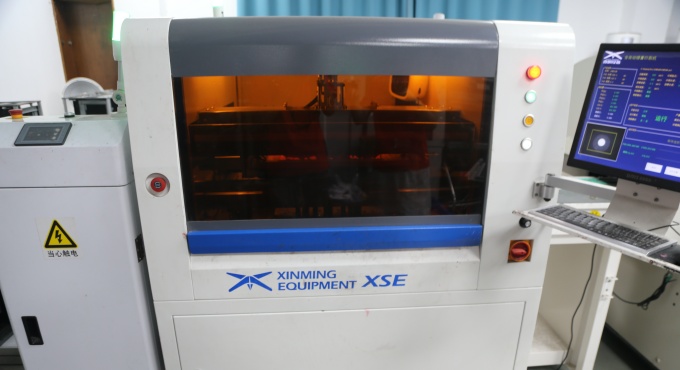
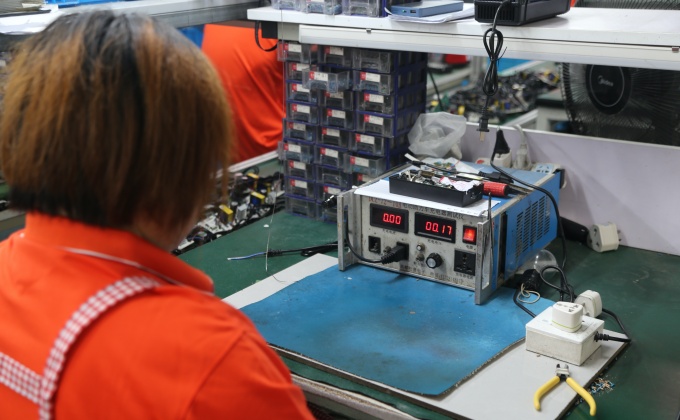
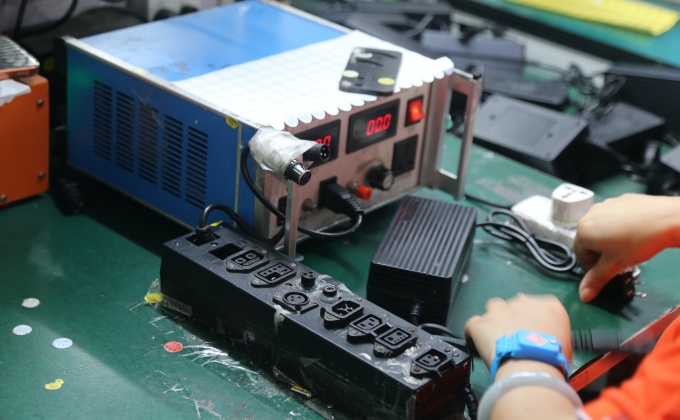
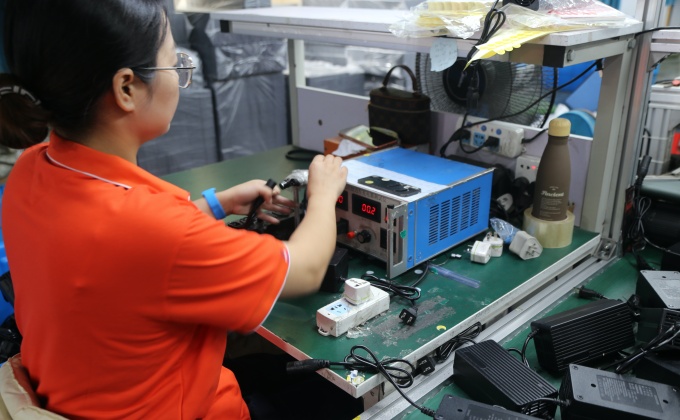
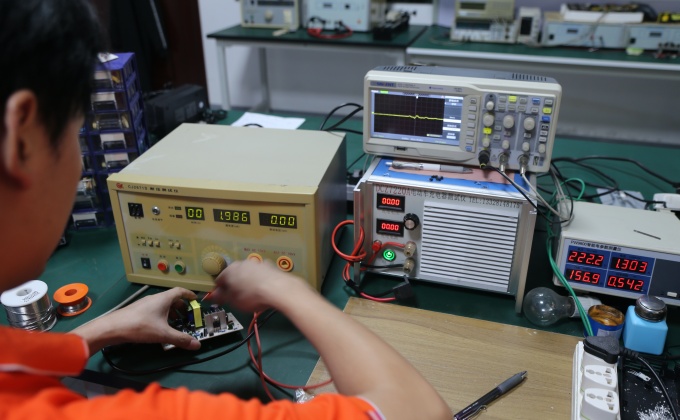
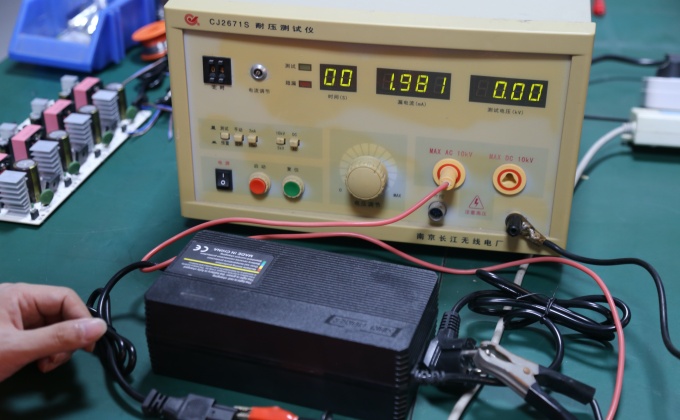
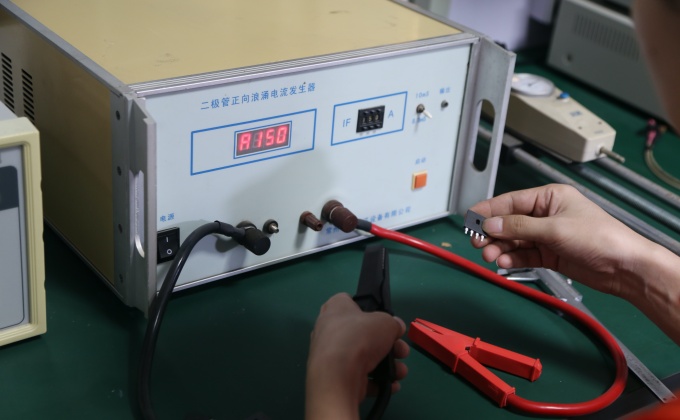
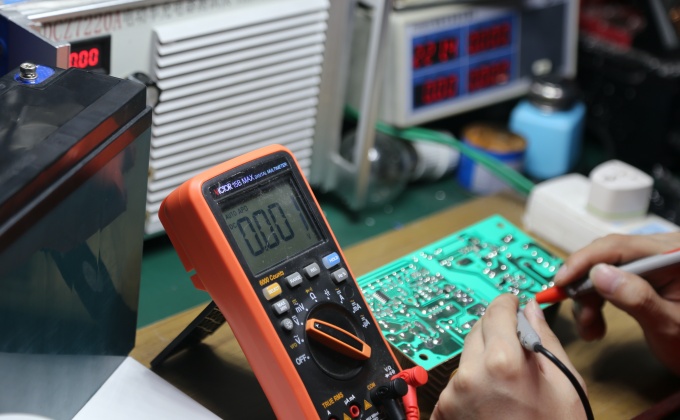
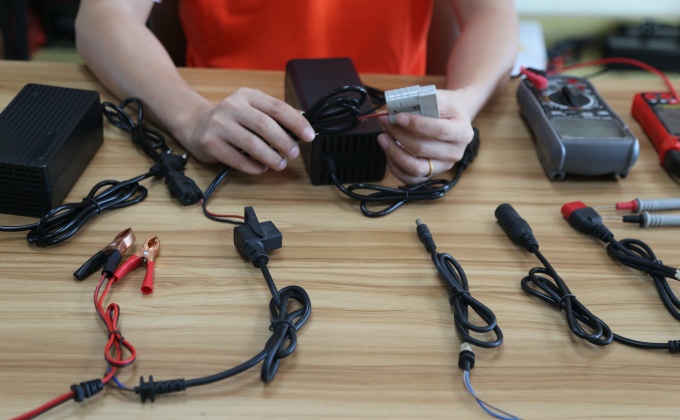
Within Linjia's manufacturing system, chargers are controlled through incoming inspection, semi-finished-product testing, finished-product electrical testing, high-voltage insulation testing, and full-load burn-in. Connector, polarity, labels, and packaging are also verified against approved references. Certification or test-document requirements are confirmed by model and destination market rather than assumed to apply to every configuration.
How Long Does It Take to Charge a 7.8V Lithium Battery Pack?
A basic capacity-to-current calculation can provide only an initial estimate for the selected 6V lithium battery packs used with these 7.8V-output charger models. Dividing battery capacity in amp-hours by charger current gives a theoretical baseline, but actual charging normally takes longer because charging current may change during the charge profile and because the BMS, temperature, battery condition, and conversion losses affect the result.
Linjia therefore does not assign one universal charging time to all selected 6V 6-10Ah or 6V 10-15Ah lithium battery packs. Buyers should provide the battery datasheet and required charging-time target. The selected current must remain within the battery manufacturer's limits, even when a sales channel requests faster charging.
How Can Incorrect Connection or Model Mixing Be Prevented?
The most reliable method is to control the specification before production. Linjia confirms the battery model, charger model, output voltage, current, connector, polarity, pin definition, cable, and label as one approved configuration. A physical connector sample or confirmed drawing is preferable when several similar interfaces are used.
Private model codes, distinct rating labels, colour references, and separate packaging can also help warehouses and distributors identify the correct charger. During mass production, these references are checked together so that an electrically correct charger is not paired with the wrong connector, label, or carton.
What Is the Expected Service Life of a 7.8V Lithium Battery Charger?
It is not responsible to state one fixed service-life figure for every charger and market. Actual life depends on component configuration, input-voltage quality, ambient temperature, ventilation, charging duration, duty cycle, cable condition, connector contact resistance, and whether the charger is consistently operated within its approved ratings.
For B2B projects, buyers should define the operating environment and expected usage pattern during specification review. Appropriate component margins, thermal design, protection requirements, and full-load burn-in can then be evaluated. Keeping the charger dry, uncovered, well ventilated, and connected only to the approved battery also helps reduce avoidable failures.
Can the Charger Develop Excessive Heat, Cable Damage, or Loose Connector Contacts During Long-Term Use?
Any charger can develop these problems if it is mismatched, repeatedly overloaded, used in excessive ambient heat, connected through an undersized cable, or paired with a worn or high-resistance connector. A battery fault or incorrect BMS setting can also keep the charger under abnormal load.
The risk can be reduced by confirming the electrical specification and cable rating, using an appropriate connector, checking thermal performance under full load, and controlling connector assembly during production. Users should stop using a charger if the housing, cable, or connector becomes abnormally hot, discoloured, loose, damaged, or produces an unusual smell.
How Should a 7.8V Lithium Battery Charger Be Used and Maintained?
Use the charger only with the battery model and charging specification for which it was approved. Before connection, check the charger label, connector fit, polarity, cable condition, and battery condition. Follow the supplied connection sequence and operating instructions; do not force a connector or substitute a visually similar charger.
Operate the charger in a dry, ventilated location and do not cover the housing during charging. Keep it away from liquids, combustible material, direct heat, and heavy dust unless the specific design is rated for those conditions. Disconnect and inspect any unit showing damage or abnormal heat. Clean the exterior only after power is removed, using a soft dry cloth rather than solvents or abrasive cleaners.