
8‑STEP HOUSING DEVELOPMENT & INJECTION MOULDING PROCESS
1. Project Requirement Review
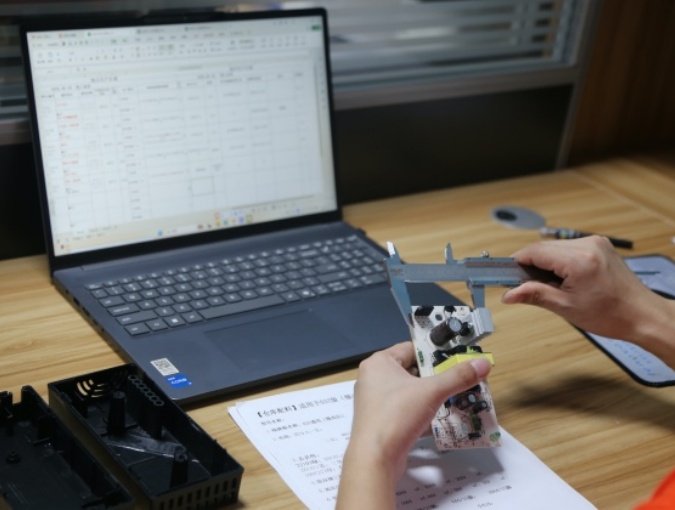
We review the charger project before housing development begins. Battery and charger configuration, PCB size, connector and cable requirements, cooling method, application, target market, expected quantity, and branding needs are considered so the housing is developed around the complete product.
2. Housing Structure & Appearance Development
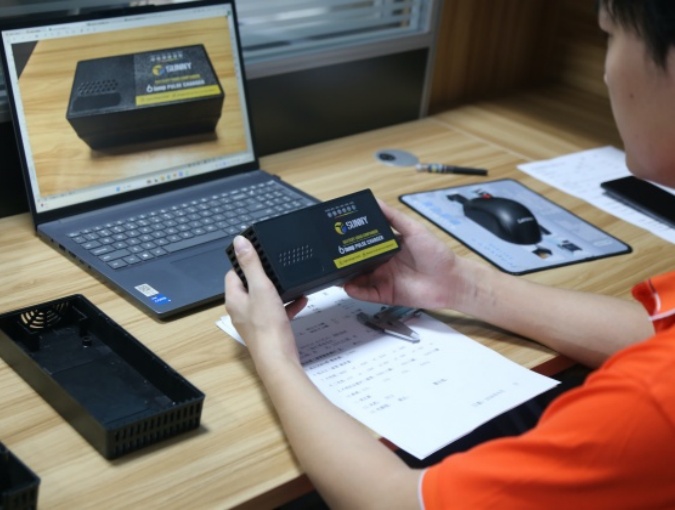
The housing concept is developed around internal electronics and assembly needs. Structural design and product appearance can be coordinated with PCB layout, connector positions, cable exits, cooling requirements, indicator locations, and the intended product form.
3. Mould Development
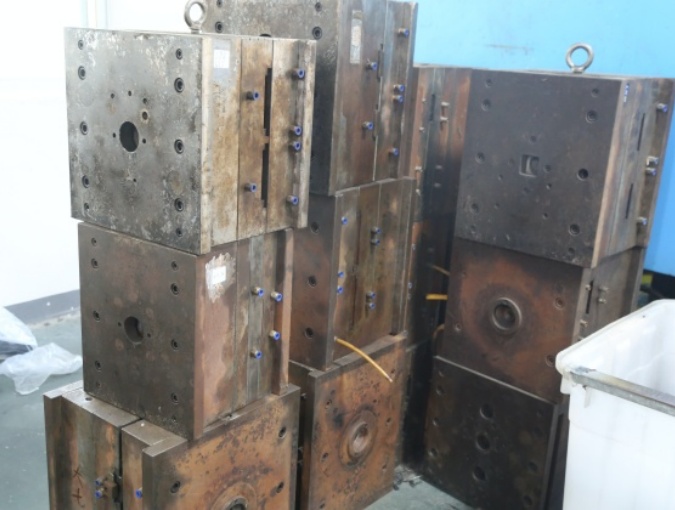
After the housing solution is confirmed, the project moves into mould development. Linjia has mould manufacturing capability, allowing the tooling stage to be coordinated with the charger development and later injection‑moulding requirements.
4. Trial Moulding & Sample Review
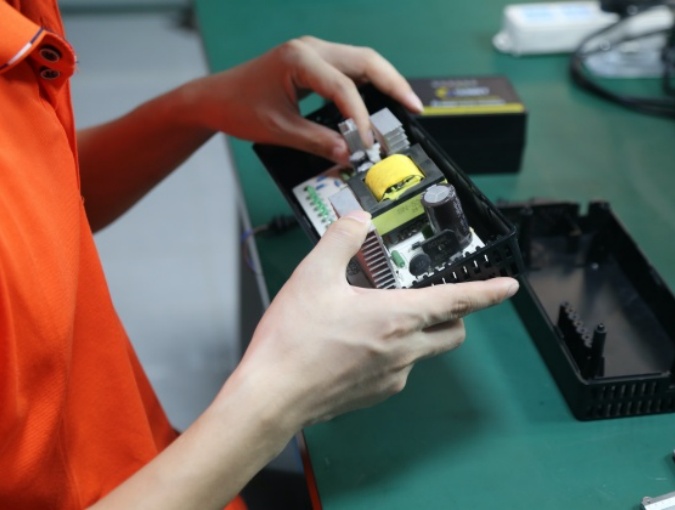
Trial housings are produced and reviewed before mass production. The team checks physical fit with the charger structure and confirms project‑specific adjustments before the approved sample becomes the production reference.
5. In‑House Injection Moulding
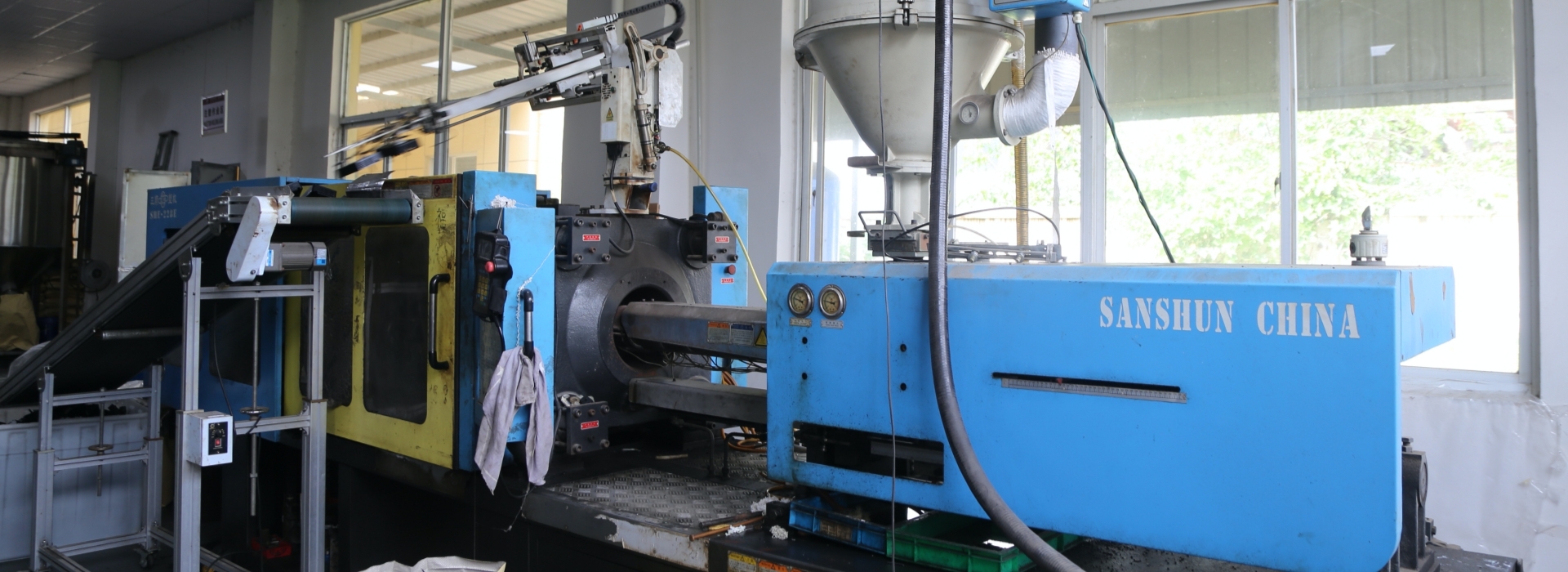
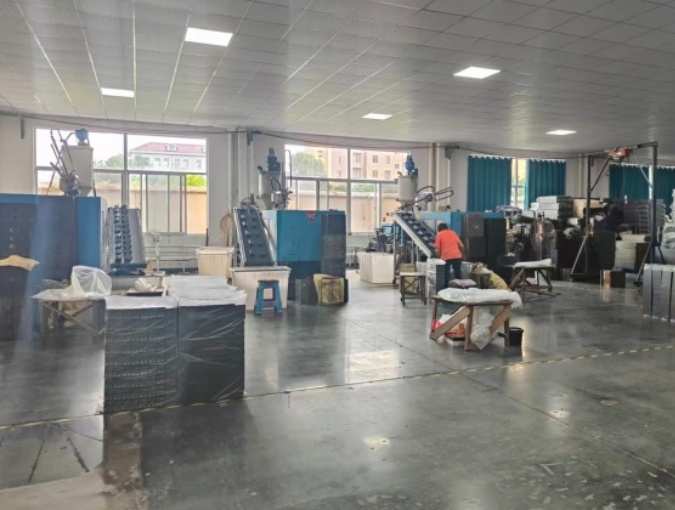
Linjia operates three injection moulding machines for in‑house battery charger housing production. Keeping this process inside the factory connects housing supply directly with charger manufacturing and helps reduce handoffs between separate suppliers.
6. Housing Inspection & Fit Verification
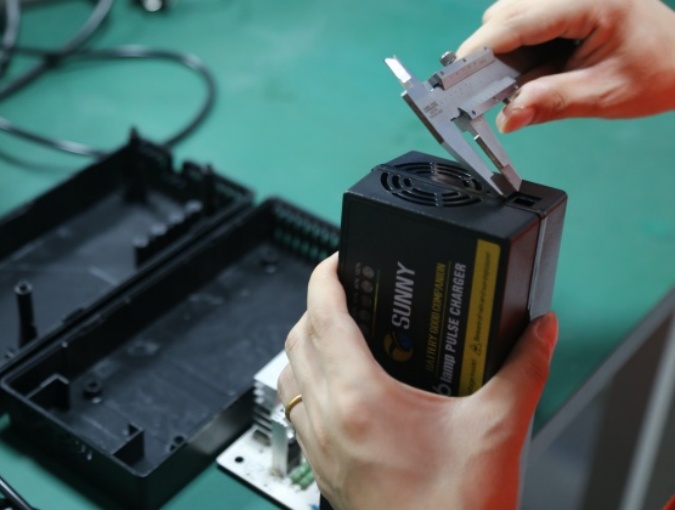
Before moulded housings enter final assembly, the parts are checked against the approved structure and assembly requirements. Fit with the PCB, connector openings, cable routing, mounting points, and other project‑specific details is verified as required.
7. Integrated Charger Assembly
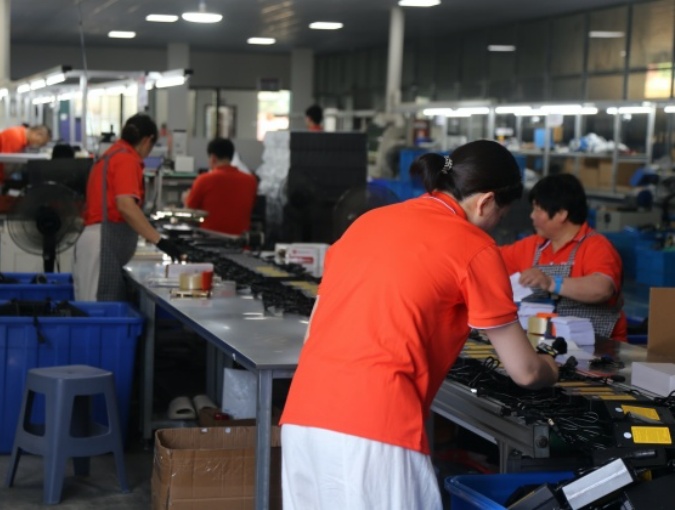
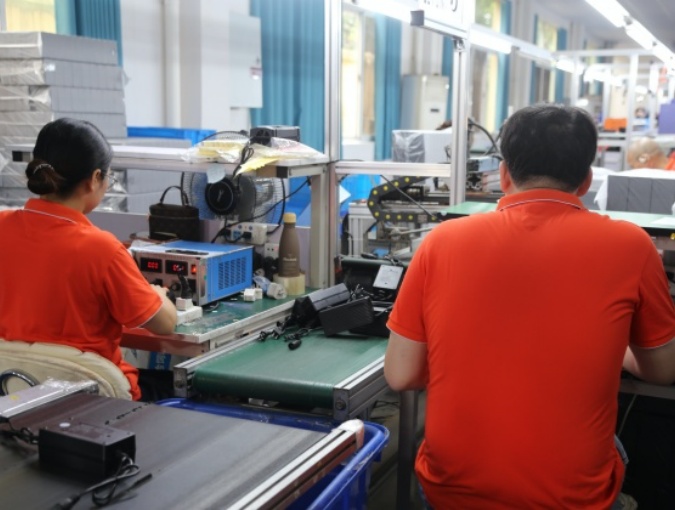
Approved housings move directly into the charger manufacturing process. PCB assemblies, cables, connectors, labels, fans or other project‑specific parts are installed according to the confirmed product configuration.
8. Testing, Packing & Delivery
After assembly, finished chargers enter Linjia’s standardized quality process, including relevant electrical performance testing, high‑voltage insulation checks, and full‑load burn‑in testing before packing. The approved housing therefore stays connected with the complete charger through final delivery.
LINJIA CHARGER HOUSING & INJECTION MOULDING DEPARTMENT
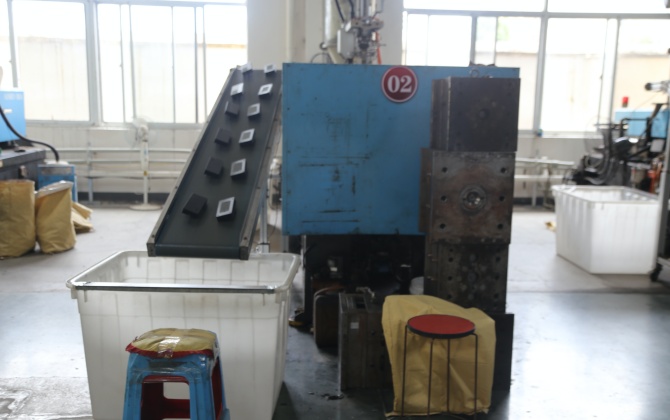
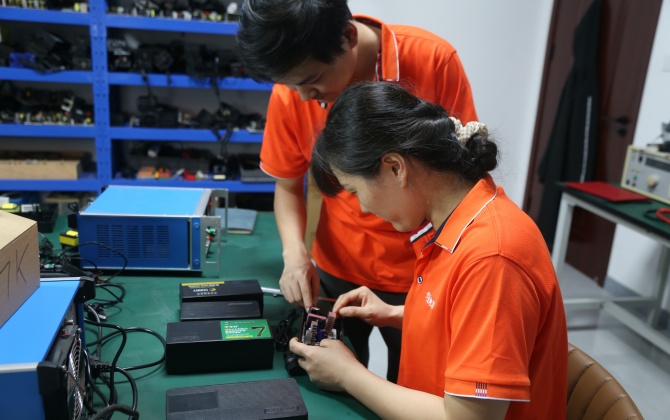
This is where charger housing ideas are turned into parts that can enter real battery charger production. Linjia’s approximately 10,000‑square‑metre manufacturing facility includes three injection moulding machines and supports in‑house housing mould development and production.
Our team handles the housing process from structural and appearance development to mould development, injection moulding, inspection, and the handoff to charger assembly. Clear project specifications are used to keep the housing aligned with the approved charger configuration.
The housing and injection‑moulding department works with charger R&D, production, and quality personnel so that PCB layout, connectors, cables, thermal structure, assembly, testing, and delivery can be coordinated within one OEM/ODM project.