
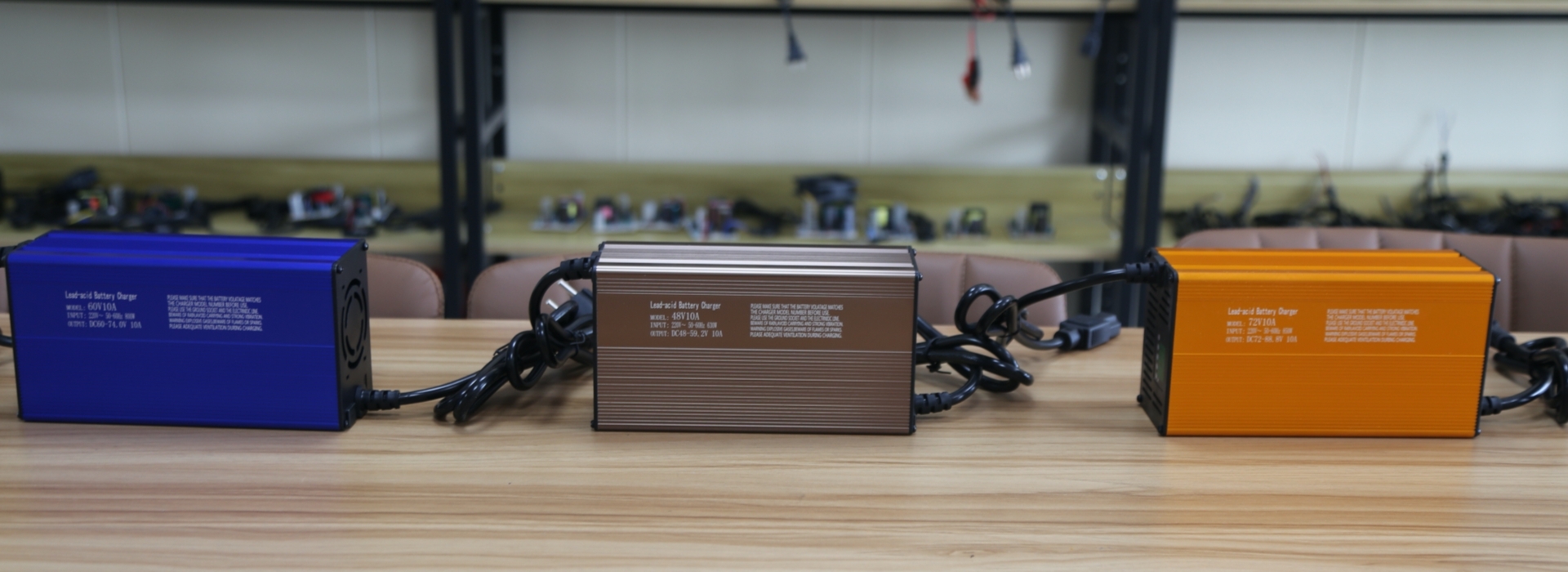
Battery Charger Selection Checkpoints
Before a charger is approved for sampling or mass production, confirm the following six items. If some information is unavailable, send the battery label, existing charger label and connector photo first; Linjia can review what is still missing.
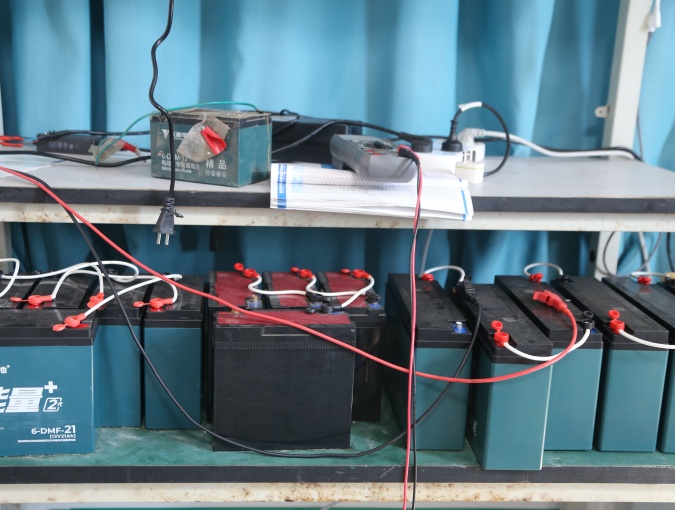
1.Confirm Battery Chemistry
First identify whether the battery is lead‑acid, Li‑ion, LiFePO4 or another chemistry. Chargers with the same nominal voltage are not automatically interchangeable because charging profiles and required full‑charge voltages can differ.
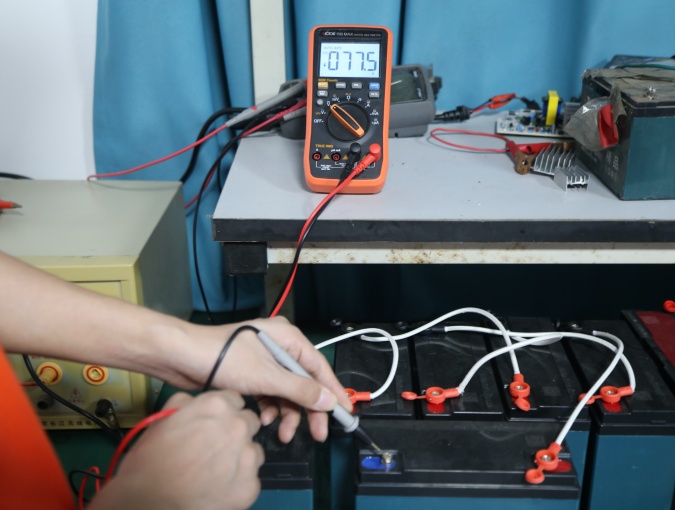
2.Confirm Nominal Voltage & Required Full‑Charge Voltage
Provide the battery nominal voltage and, where available, the required charging or full‑charge voltage from the battery specification. Do not approve a charger only because the nominal voltage printed on the battery and charger looks the same.
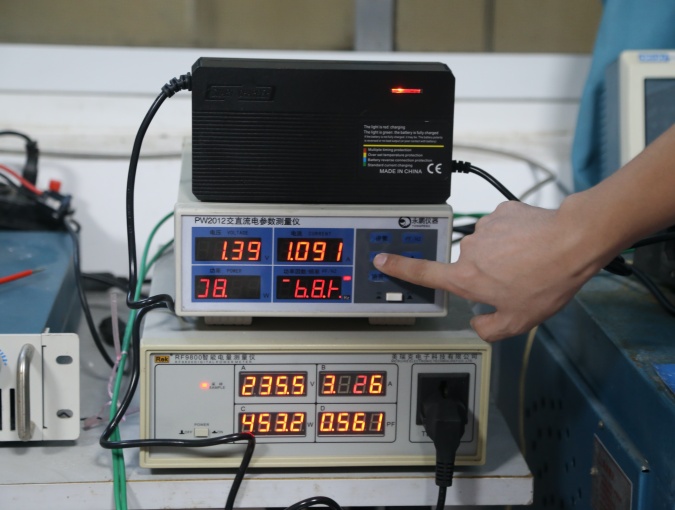
3.Review Capacity, Charging Current & BMS Limits
Battery capacity (Ah) helps narrow the current range, but it should not be used as the only rule. Confirm the battery manufacturer’s permitted charging current, required charge time and, for lithium projects where applicable, the BMS charging‑current and voltage limits.
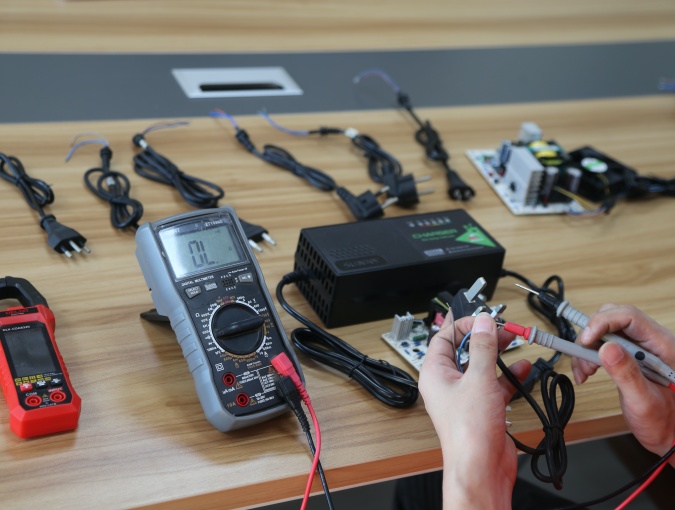
4.Confirm Connector, Pinout & Polarity
A connector can look physically correct and still be electrically wrong. Provide a clear connector photo, model or drawing and confirm polarity, pin definition and cable requirements before sample approval.
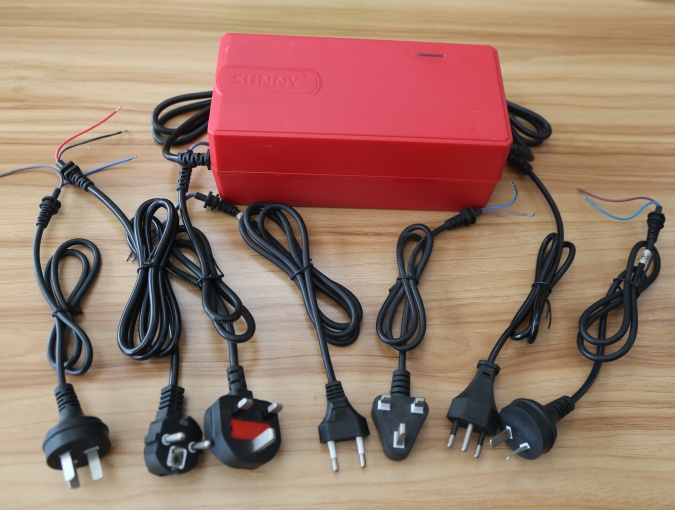
5.Match AC Input, Frequency & Plug to the Market
Confirm the destination market’s mains conditions, required AC input configuration, frequency and plug type. Linjia’s current product range includes AC110V, AC220V and AC110–220V configurations on multiple models, but the exact version should be confirmed for the selected project.
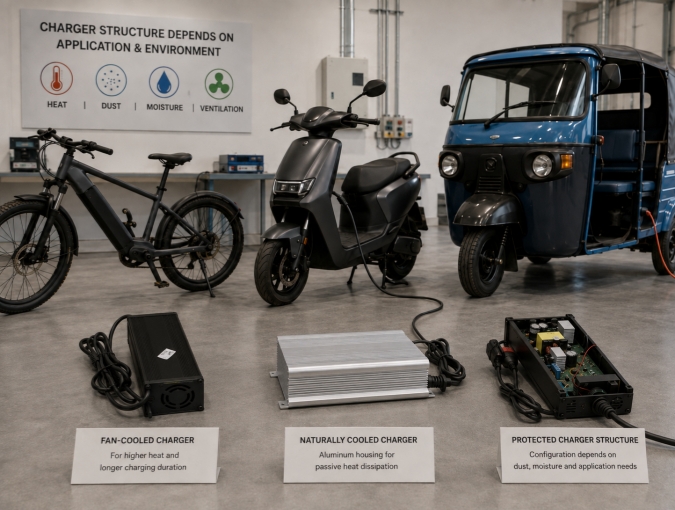
6.Confirm Application & Operating Environment
Tell us where and how the charger will be used, including vehicle or equipment type, ambient temperature, ventilation, dust or moisture exposure, charging duration and local power quality. These conditions can affect the preferred housing, cooling, potting, cable and protection configuration.
Linjia Battery Charger Selection & Engineering Support
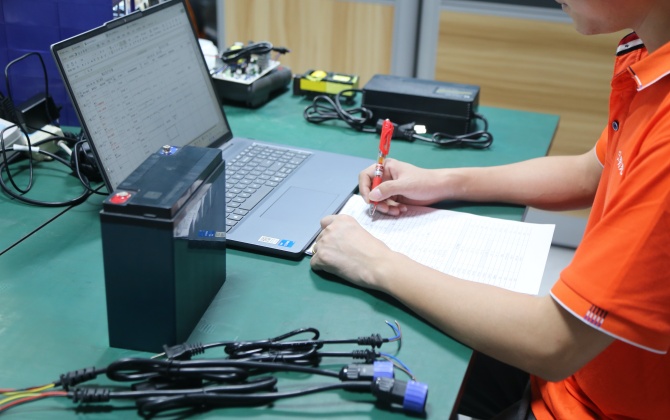
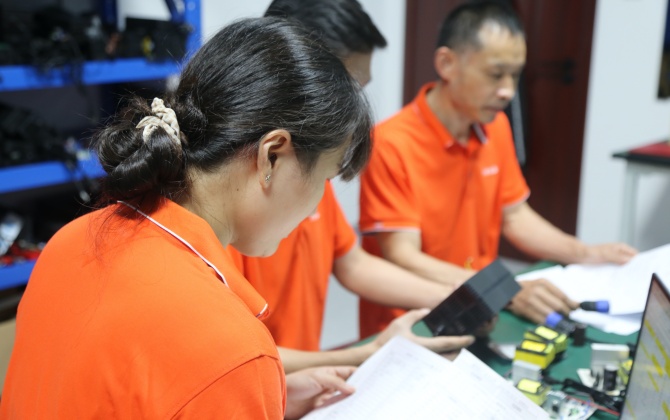
Linjia reviews charger projects from the battery outward. Our team can evaluate battery type, nominal voltage, required full‑charge voltage, capacity, charging current, BMS requirements, connector, cable, polarity, AC input, plug, operating environment and target market before sampling or mass production.
If an existing Linjia model fits the project, we can continue with specification and interface confirmation for sampling. If the battery or equipment requires a different charging profile, housing, cooling method, connector, cable or protection configuration, the project can move into custom charger development based on engineering feasibility.
If you are not sure what to send, start with five items: battery label photo, existing charger label photo if available, connector photo, vehicle/equipment model and destination market.