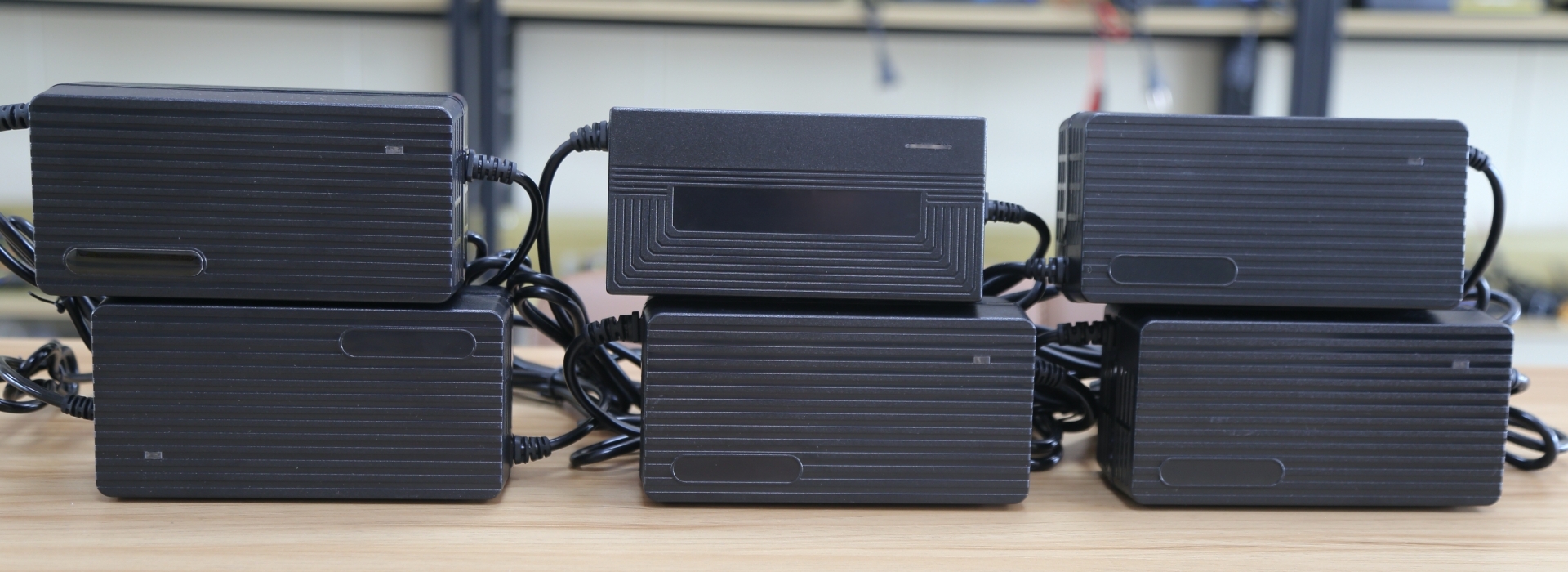
Custom 12V Lead-Acid Battery Charger Manufacturer in China
Linjia is a professional 12V lead-acid battery charger manufacturer supplying 2A, 3A, 5A, 6A, 8A, and 10A charging options for B2B projects. We match charger current, charging voltage, input power, connectors, cables, labels, and packaging to your battery and market requirements, with OEM and ODM support for stable batch production.
International Brands We Collaborate With



Professional 12V Lead-Acid Battery Charger Supplier in China
A 12V lead-acid battery charger must match more than the battery’s nominal voltage. Charging current, full-charge voltage, battery capacity, connector polarity, local AC input, and operating conditions all affect charging performance and after-sales reliability. At Linjia, we develop and manufacture 12V charger solutions for OEMs, battery brands, importers, wholesalers, distributors, and equipment suppliers that need repeatable specifications for batch orders.
Our 12V lead-acid battery charger range includes 2A, 3A, 5A, 6A, 8A, and 10A options. Lower-current models are suited to smaller-capacity battery applications, while higher-current versions support projects requiring faster charging or larger battery capacities. Before production, we confirm the battery type, nominal voltage, full-charge voltage, capacity in Ah, required charge current, and charging profile so the charger specification is matched to the battery rather than selected by voltage alone.
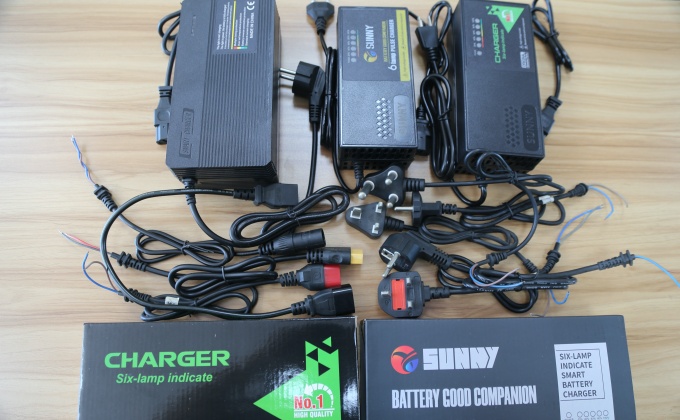
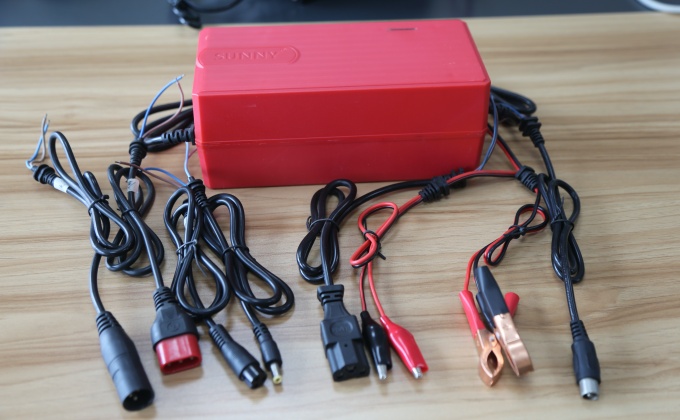
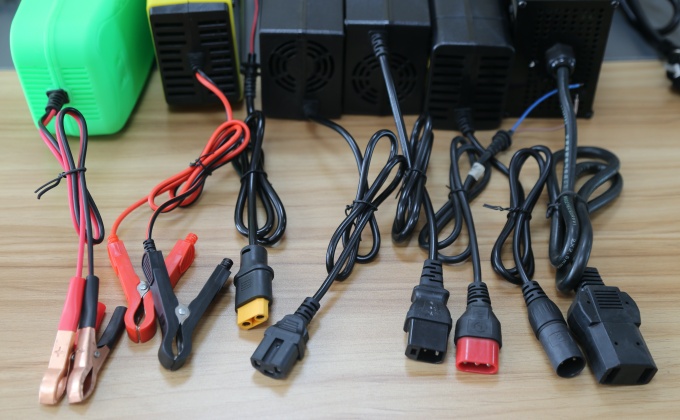
Input and connection requirements also vary by market and equipment. AC110V, AC220V, or AC110–220V versions can be configured according to the project. Input plugs, DC output connectors, cable length, polarity, and interface definition can also be customized. For buyers serving different regions or equipment platforms, this reduces the risk of receiving chargers that are electrically correct but incompatible with the final product.
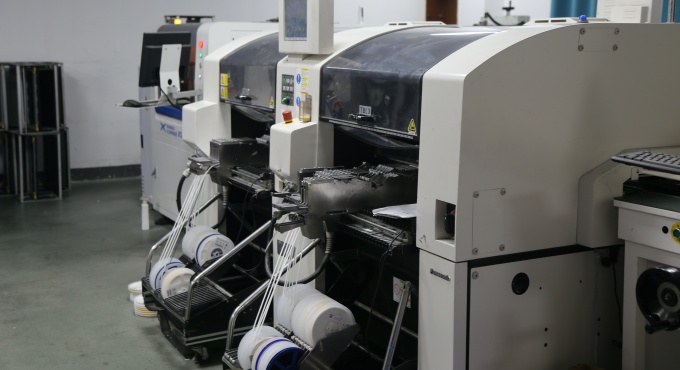
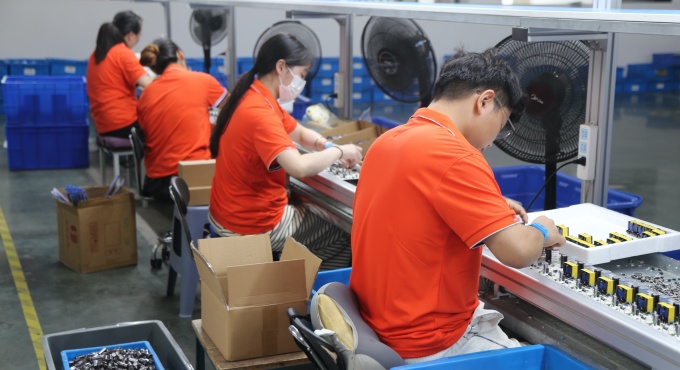
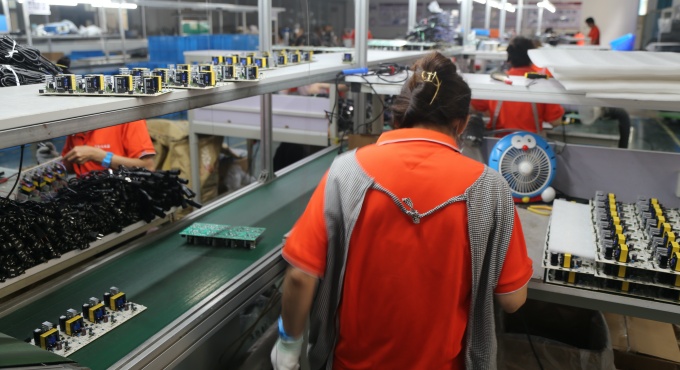
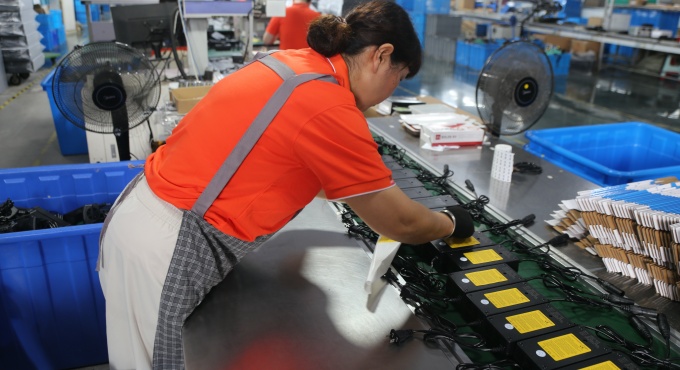
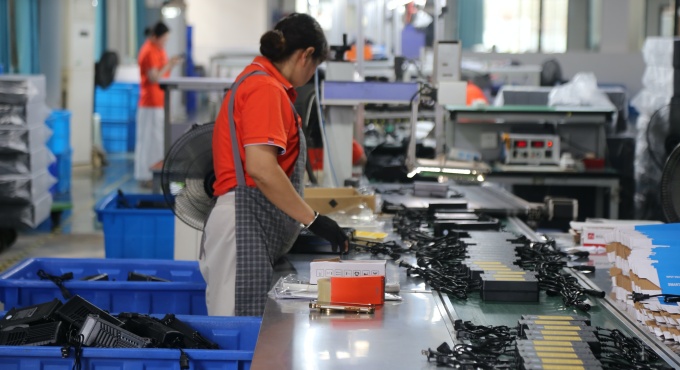
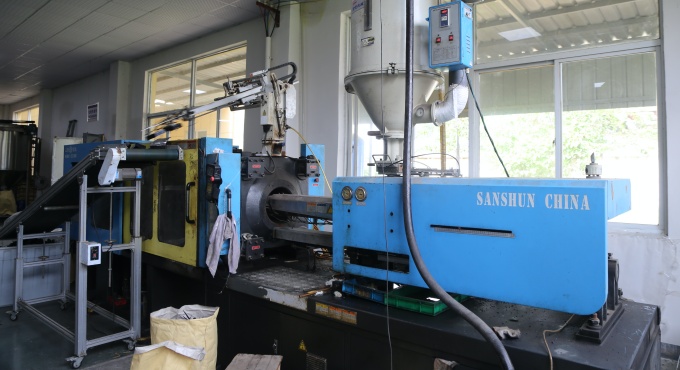
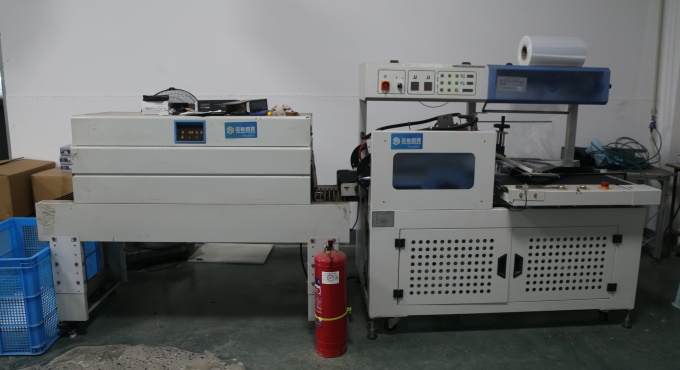
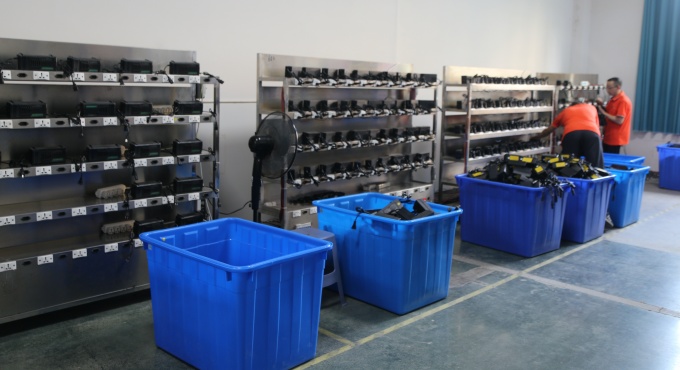
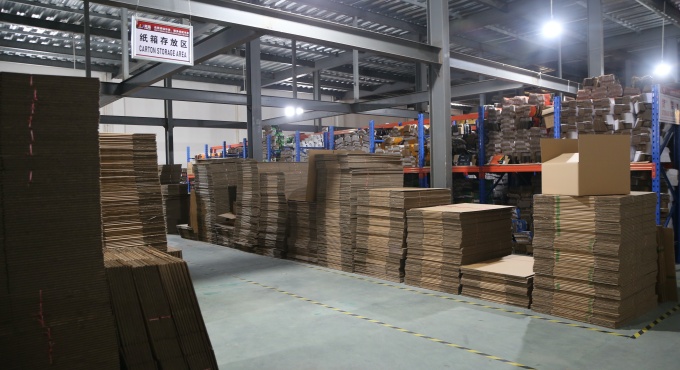
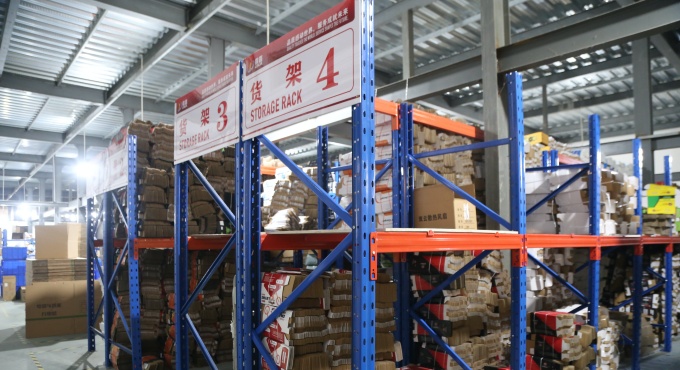
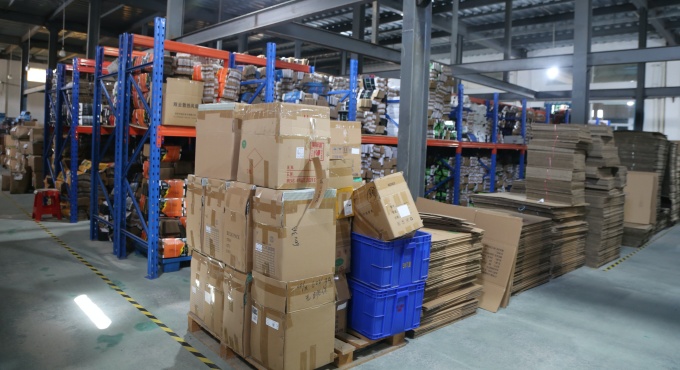
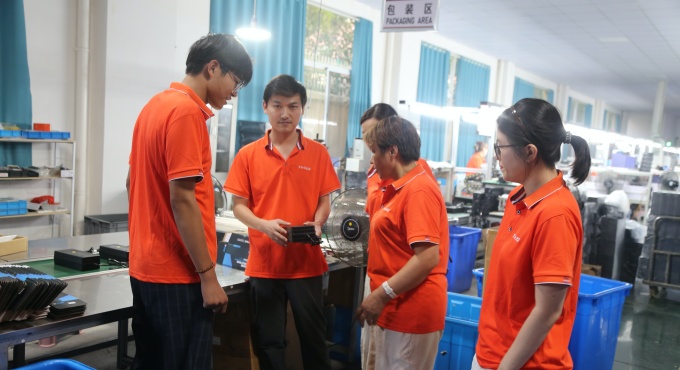
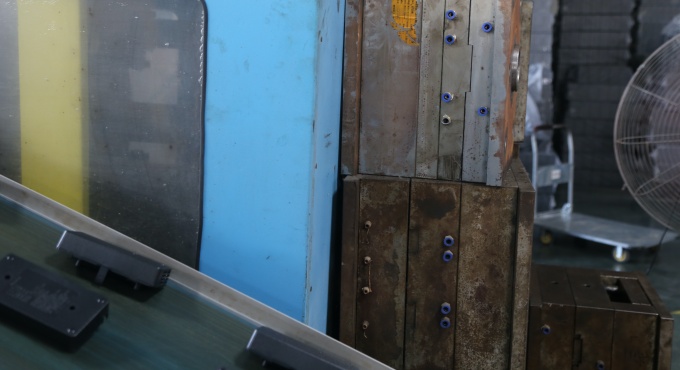
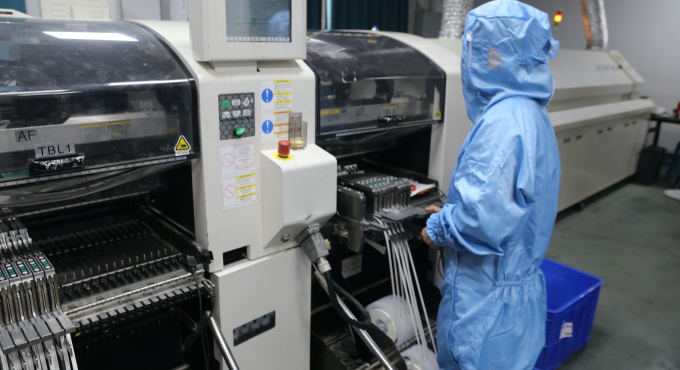
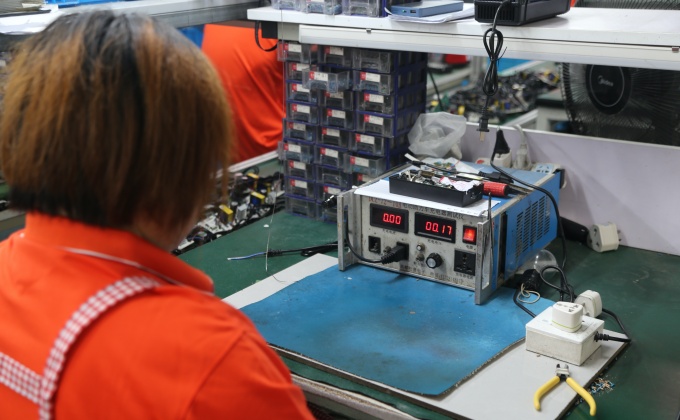
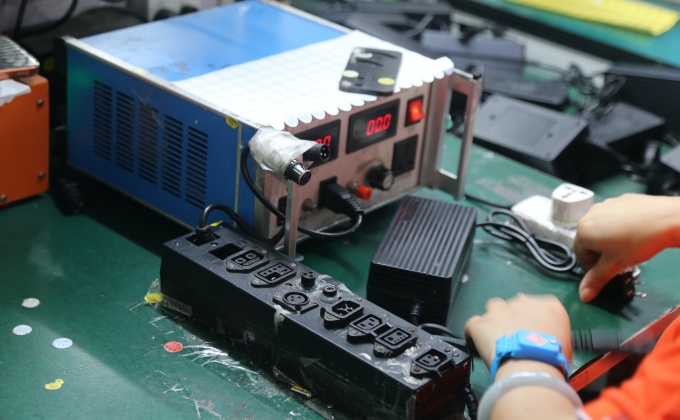
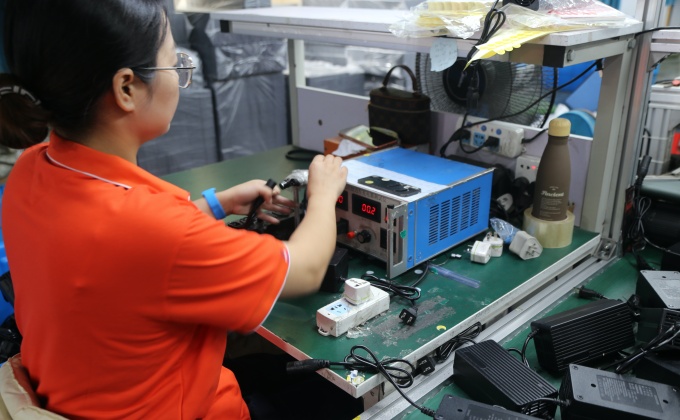
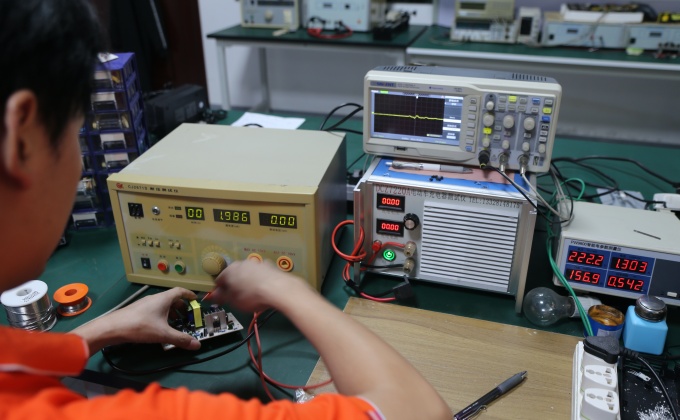
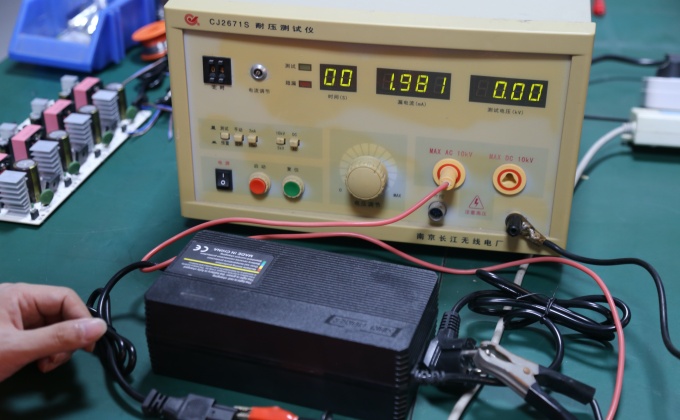
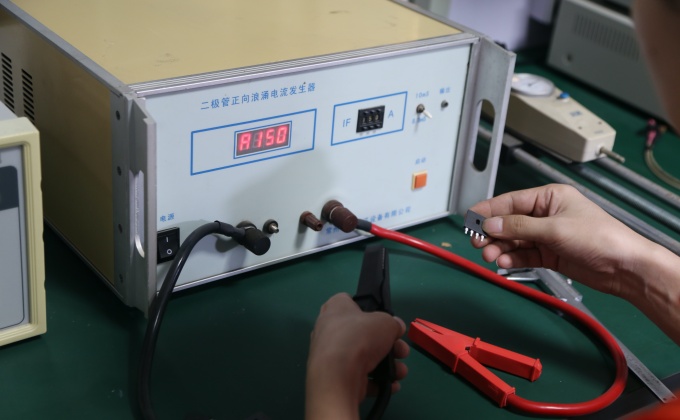
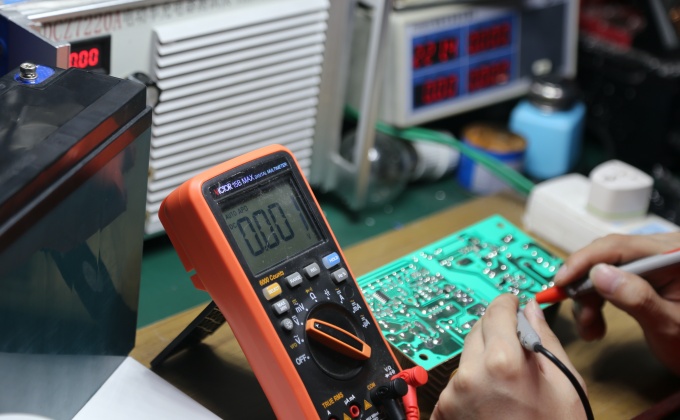
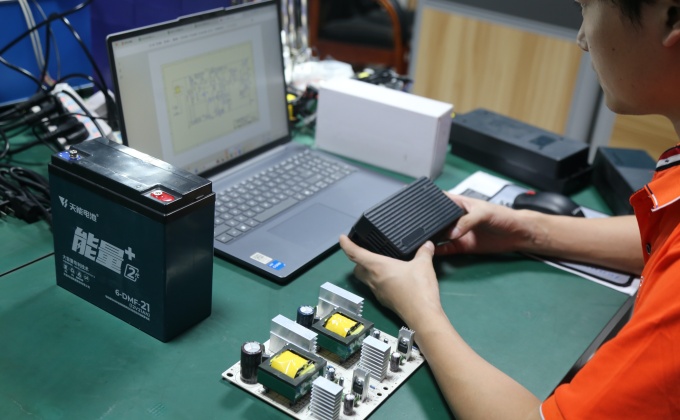
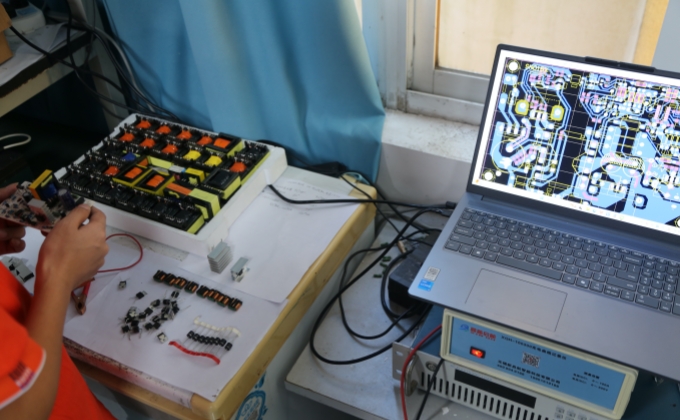
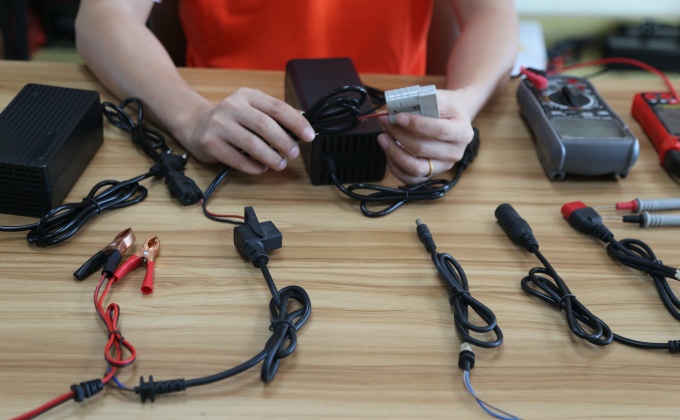
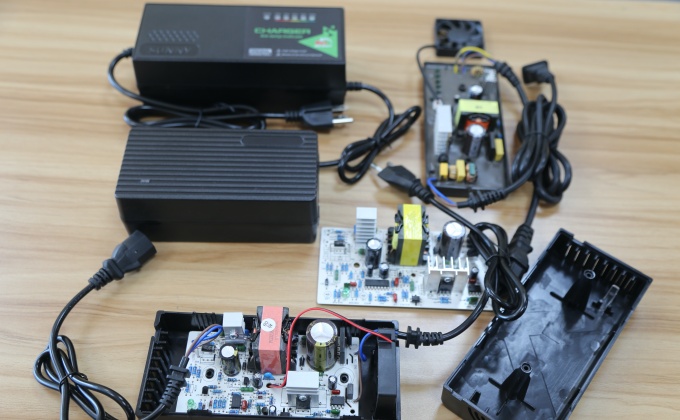
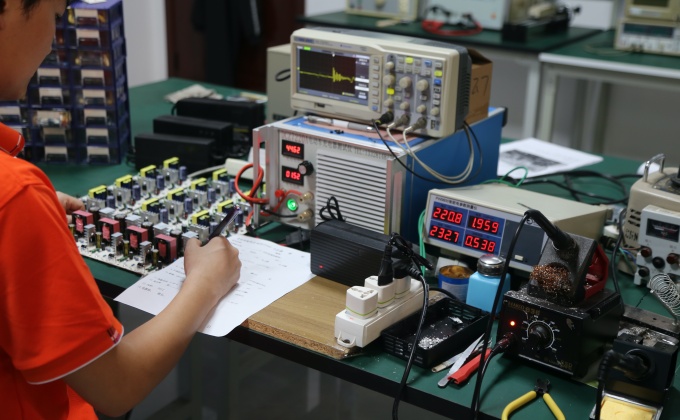
Linjia supports OEM and ODM production from PCB manufacturing and housing production to assembly, electrical testing, high-voltage insulation inspection, full-load burn-in, labeling, and packaging. Charging logic, protection functions, housing, labels, logos, and packaging can be adjusted according to the order. This integrated manufacturing approach helps B2B buyers maintain specification consistency from samples to repeat mass production.
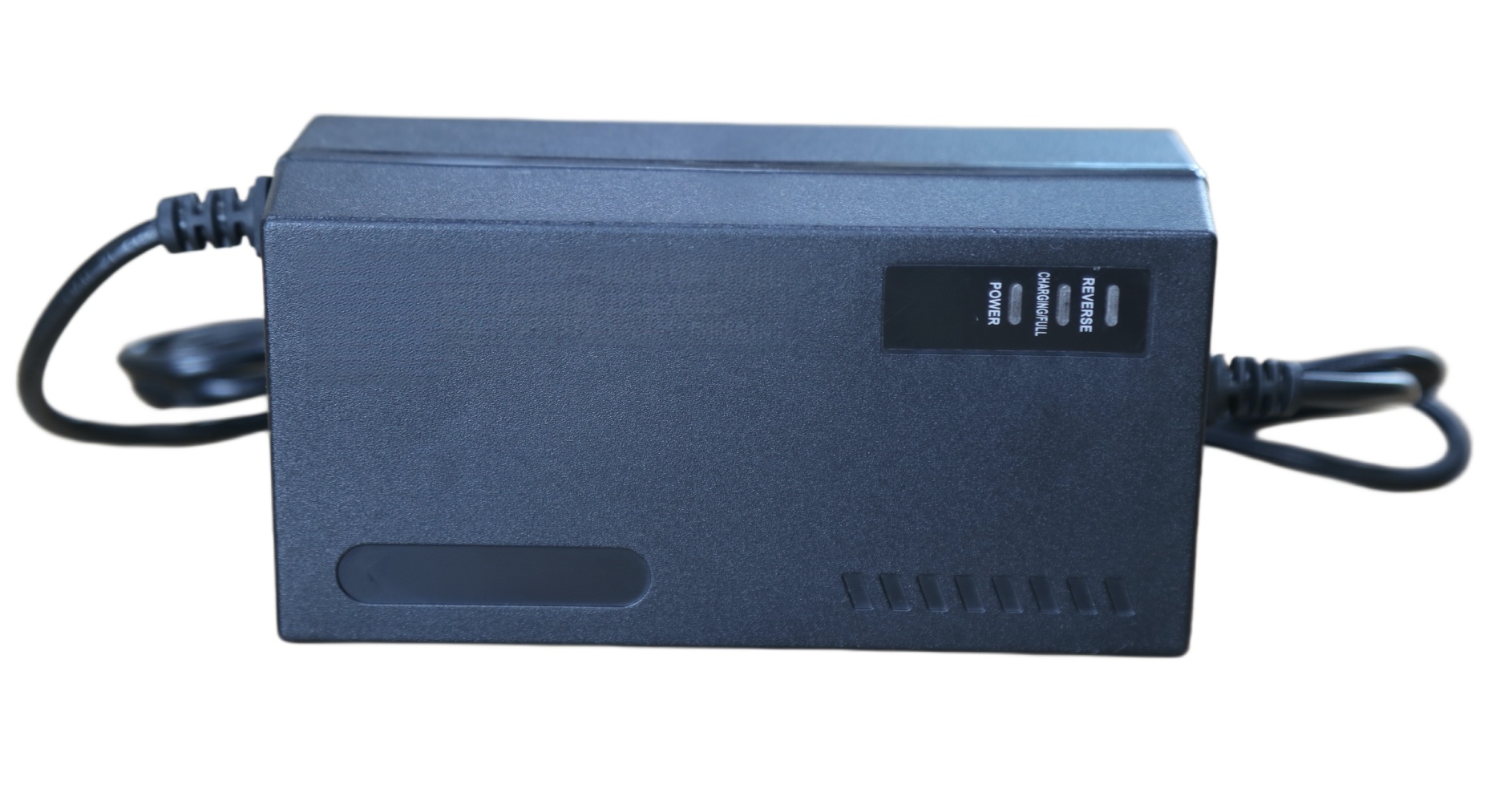
12V2A Lead-Acid Battery Charger
Linjia 12V2A lead-acid battery charger is designed for lower-current 12V battery applications. The catalogue reference covers 12V 10–20Ah batteries with DC12–14.8V output and approximately 1.9A charging current. Plug, connector, cable, label, and packaging options can be matched for OEM orders.
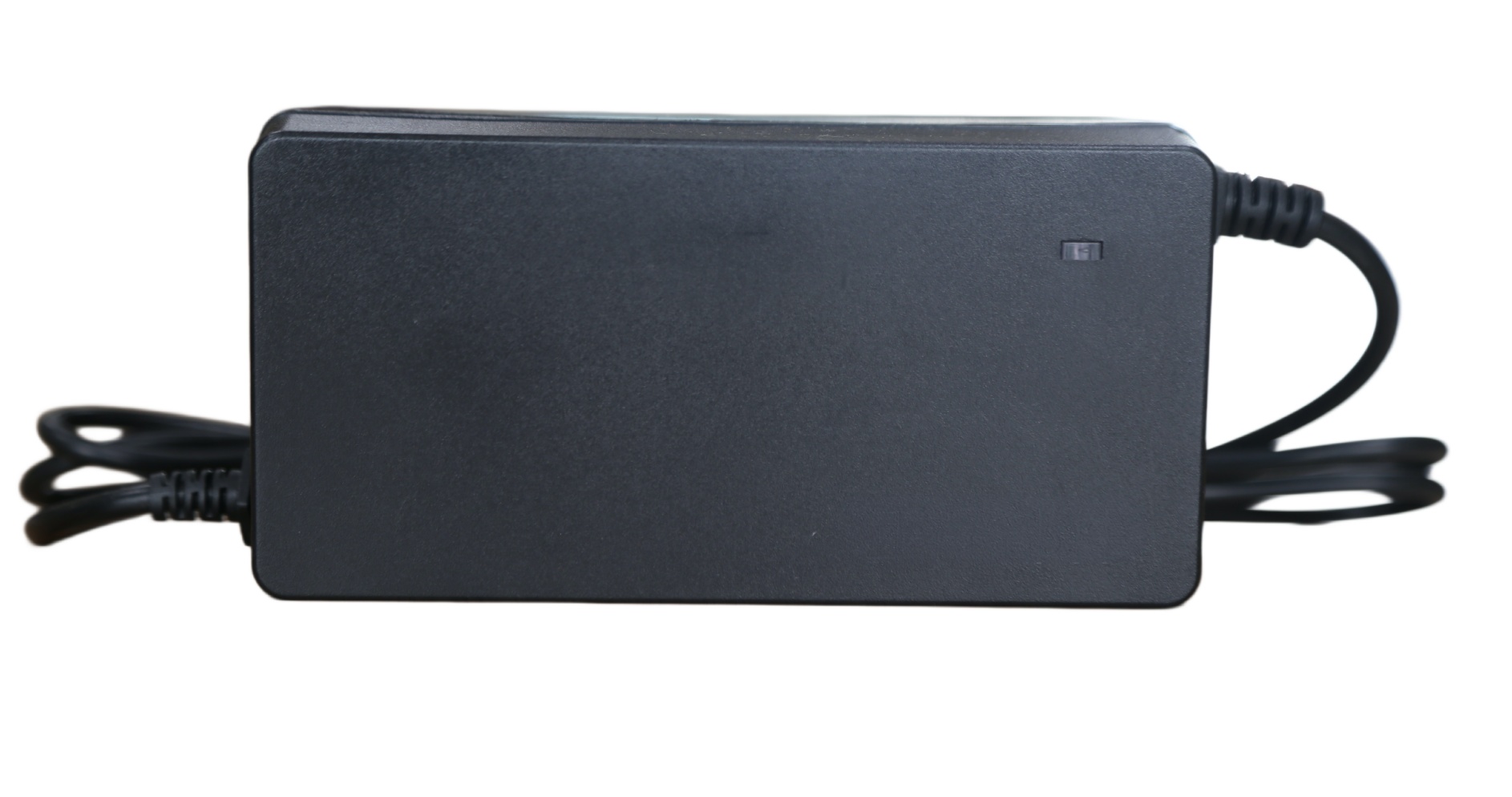
12V3A Lead-Acid Battery Charger
Linjia 12V3A lead-acid battery charger provides a higher charging-current option for 12V battery projects. The catalogue reference covers 12V 17–30Ah batteries with DC12–14.8V output and approximately 2.8A charging current. OEM customization is available for input, connector, cable, branding, and packaging requirements.
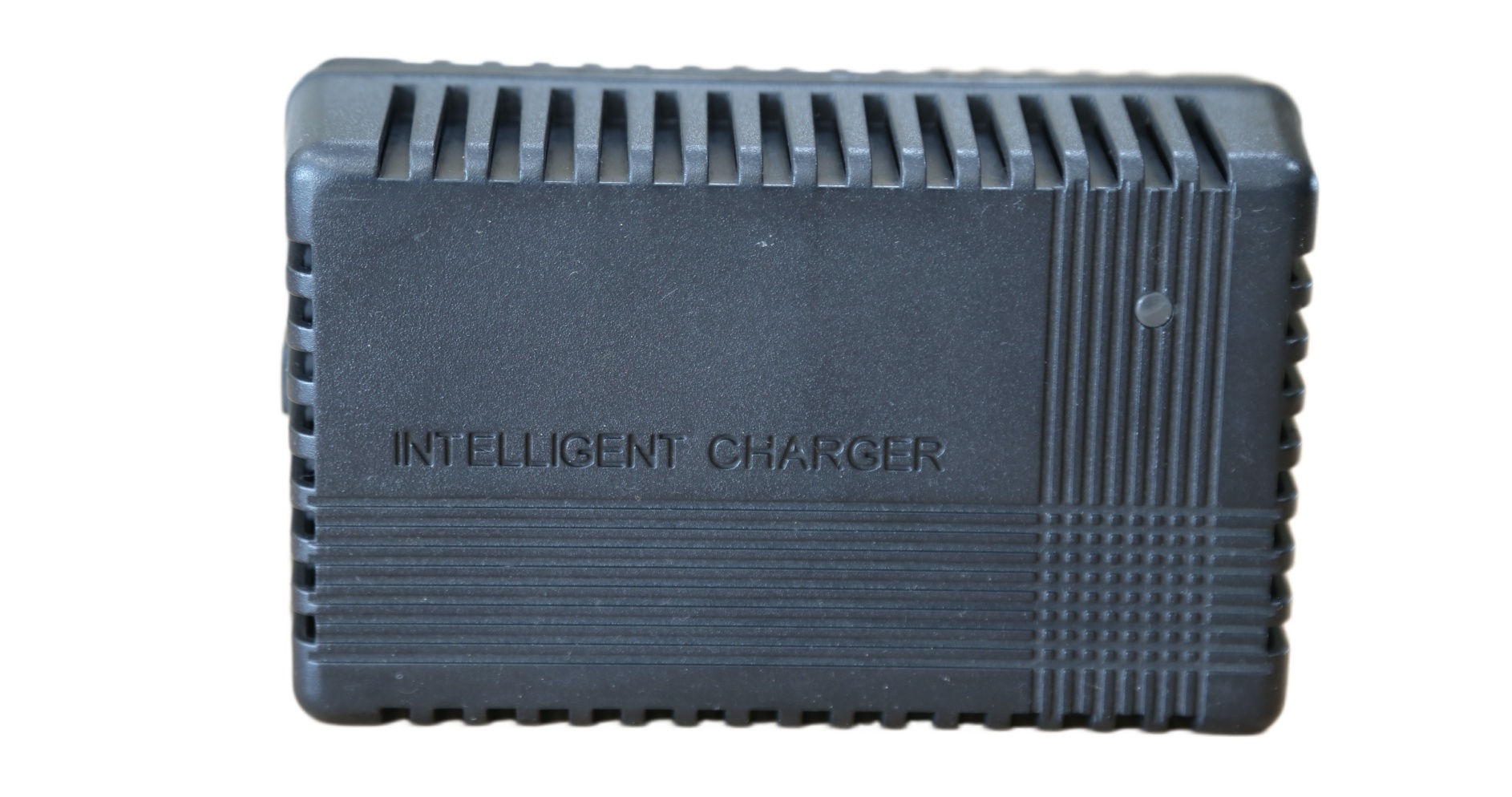
12V5A Lead-Acid Battery Chargerr
Linjia 12V5A lead-acid battery charger is a mid-range current option for B2B projects that need more charging capacity than lower-current models without moving directly to the 6A–10A range. Final battery capacity, full-charge voltage, charge current, connector, and input configuration are confirmed against the customer’s battery specification before production.
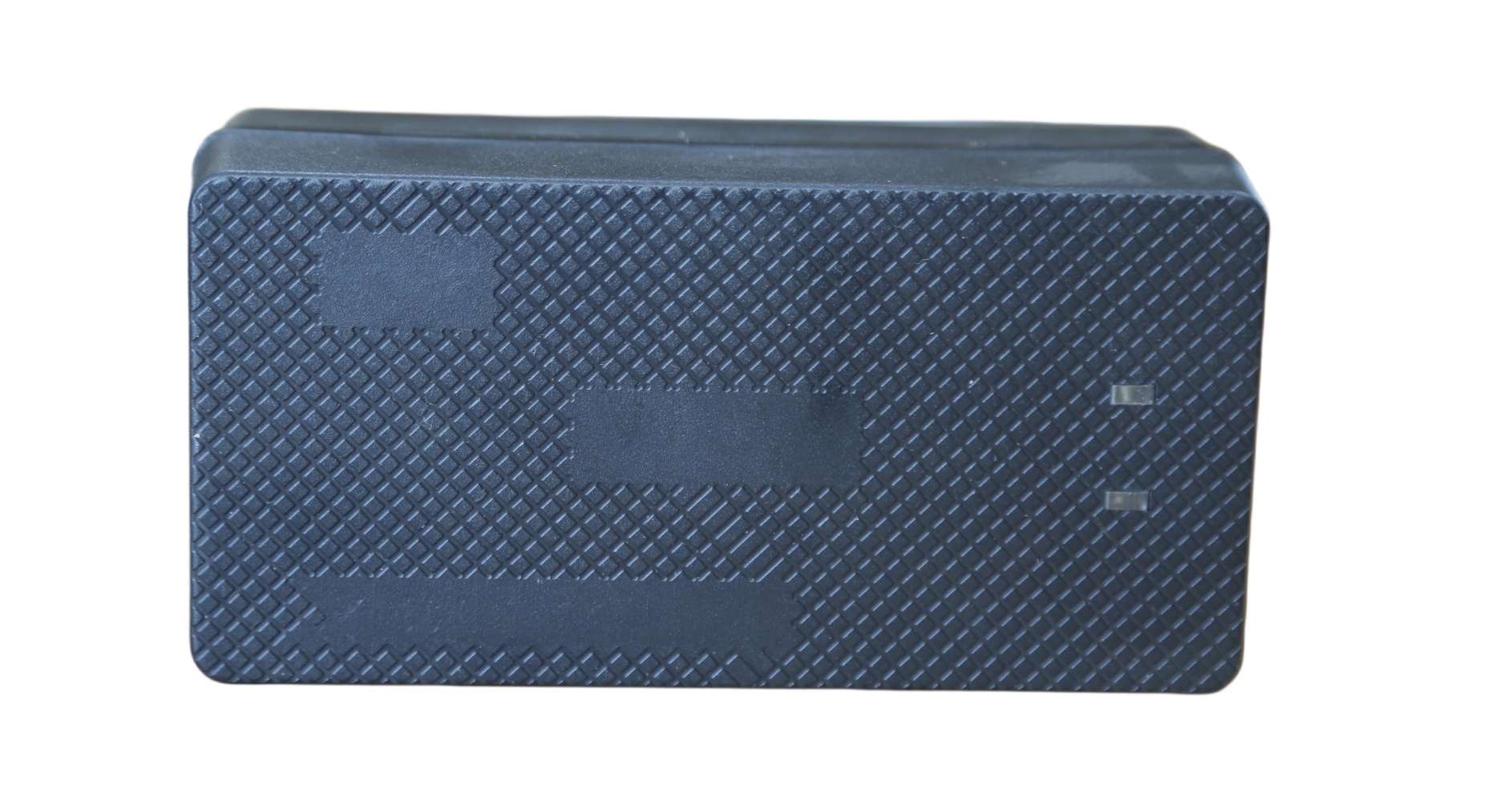
12V6A Lead-Acid Battery Chargerr
Linjia 12V6A lead-acid battery charger is designed for larger 12V lead-acid battery applications. The catalogue reference covers 12V 40–60Ah batteries with DC12–14.8V output and approximately 5.8A charging current. Input version, connector, cable, label, and packaging can be customized for OEM and wholesale projects.
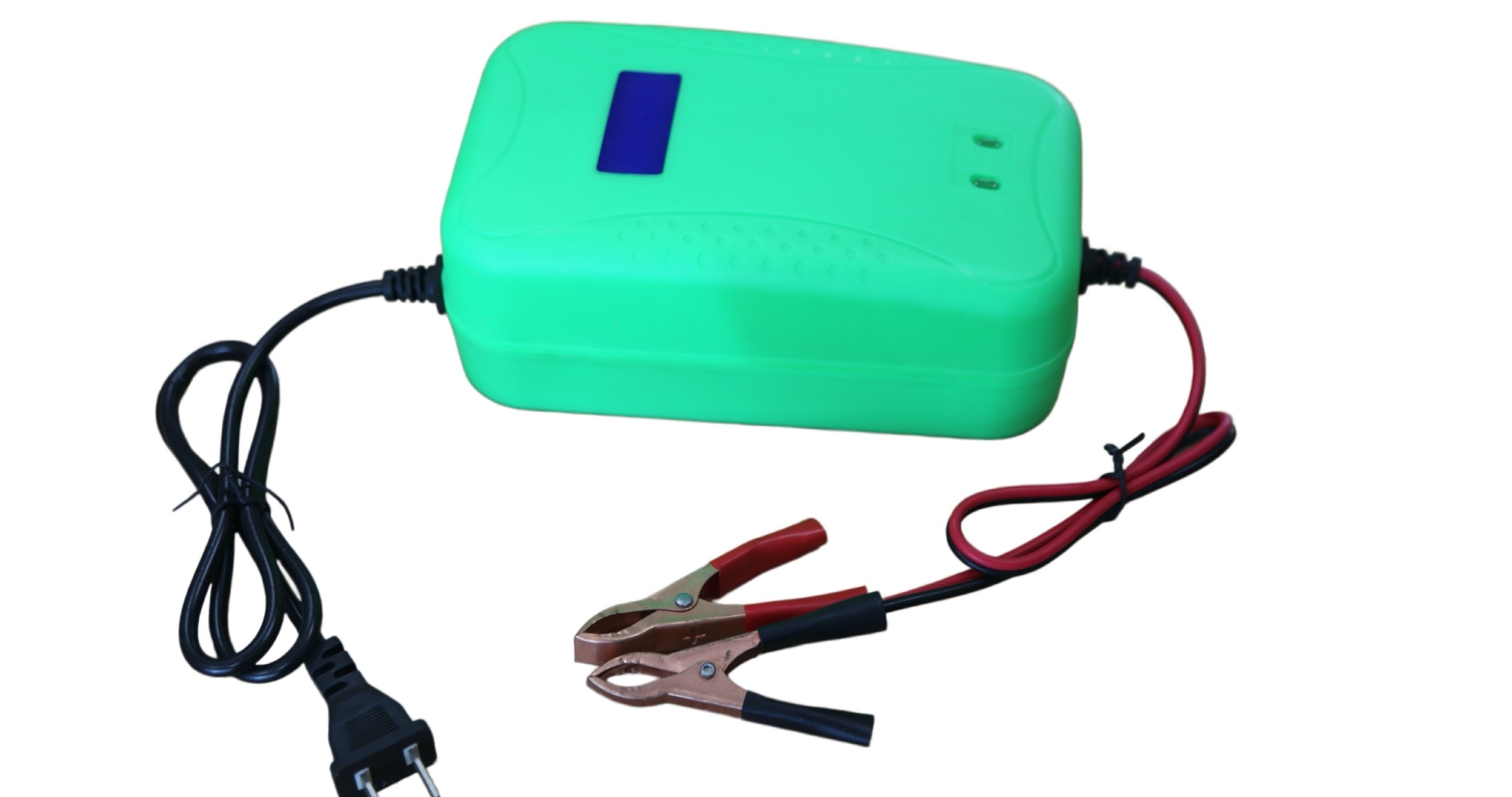
12V8A Lead-Acid Battery Charger
Linjia 12V8A lead-acid battery charger supports projects requiring higher charging current for larger-capacity 12V batteries. The catalogue reference covers 12V 50–80Ah batteries with DC12–14.8V output and approximately 7.8A charging current. Configuration can be adjusted to match local power, equipment interfaces, and brand requirements.
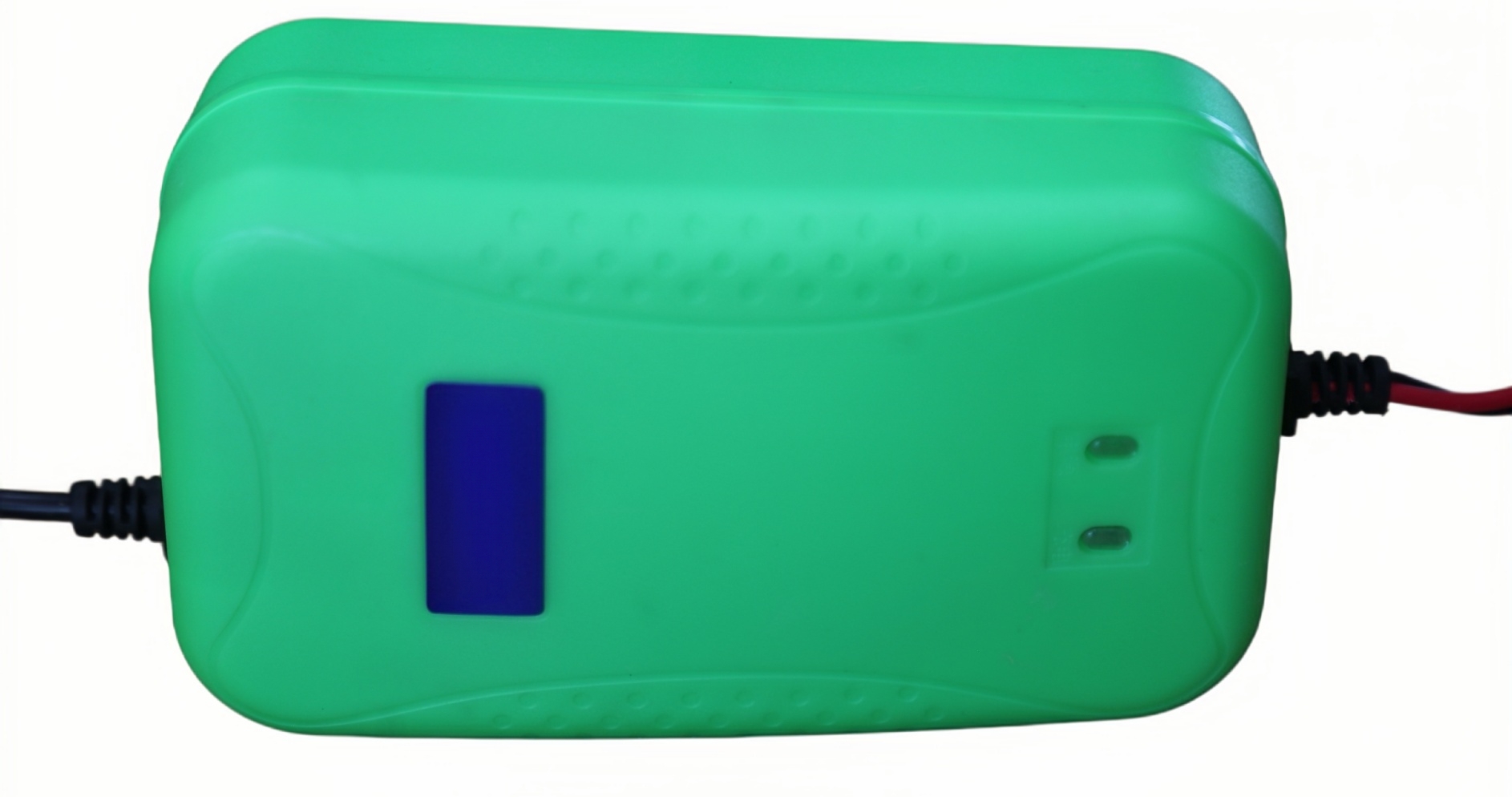
12V10A Lead-Acid Battery Charger
Linjia 12V10A lead-acid battery charger is intended for higher-current 12V charging projects. The catalogue reference covers 12V 70–100Ah batteries with DC12–14.8V output and approximately 9.7A charging current. OEM and ODM options include input configuration, connectors, cables, housing, labels, and packaging.
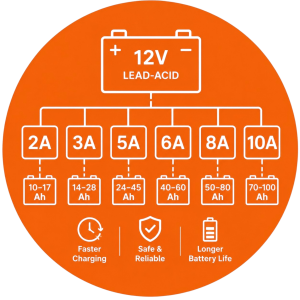
Current Matching by Battery Capacity
With 2A, 3A, 5A, 6A, 8A, and 10A options, buyers can select charging current according to battery capacity, charging-time targets, and the battery supplier’s recommended charge rate.
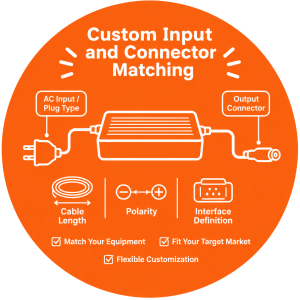
Custom Input and Connector Matching
AC input, plug type, output connector, cable length, polarity, and interface definition can be configured to match your equipment and target market.
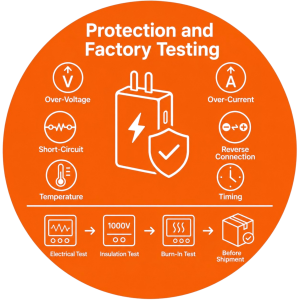
Protection and Factory Testing
Applicable charger designs can include over-voltage, over-current, short-circuit, reverse-connection, temperature, and timing protection. Finished units are checked according to the confirmed product specification before shipment.
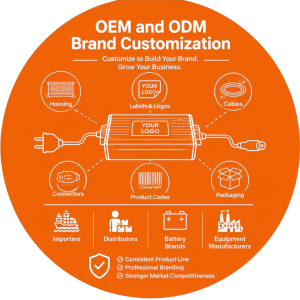
OEM and ODM Brand Customization
Housing, labels, logos, cables, connectors, product codes, and packaging can be customized so importers, distributors, battery brands, and equipment manufacturers can build consistent product lines.
How Correct Current Matching Reduces After-Sales Risk
A 12V charger with the wrong current can create slow charging, unnecessary heat, or poor compatibility with the battery specification. By confirming battery capacity, full-charge voltage, target current, and application conditions before production, Linjia helps B2B buyers select a charger configuration that is better matched to the actual battery and end-use requirements.
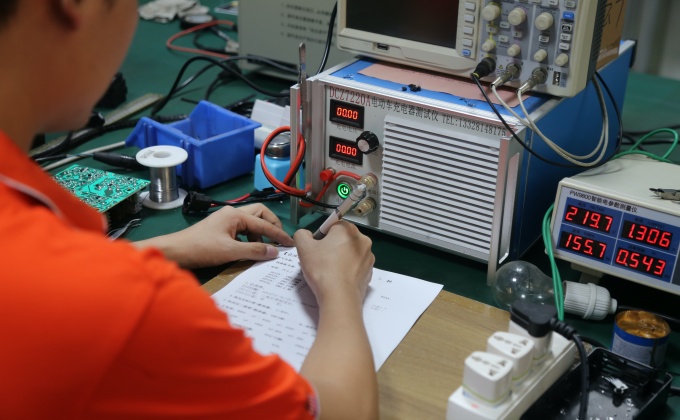
Variations in 12V Lead-Acid Charger Configuration
Different projects require different electrical and mechanical configurations. Linjia supports 2A to 10A current options, configurable AC input, output connectors, cable specifications, charging logic, protection functions, housings, labels, and packaging. This allows importers, battery brands, equipment manufacturers, and distributors to keep one product family while adapting it to different markets or equipment platforms.
Stability for Batch Supply and Factory Control
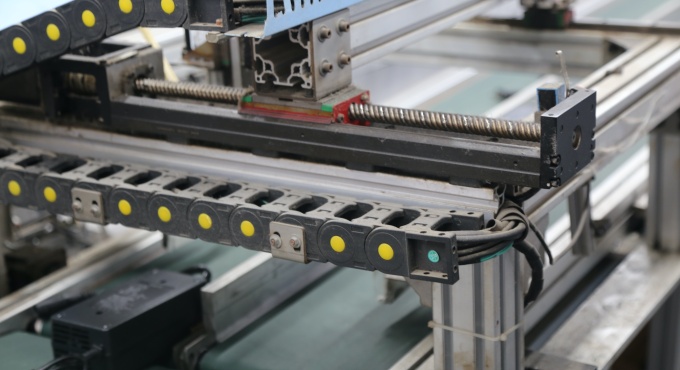
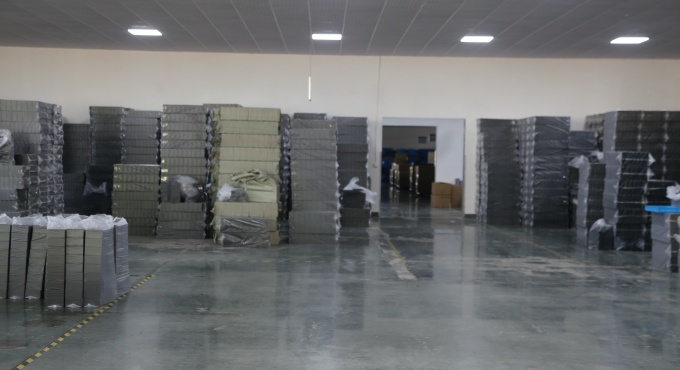
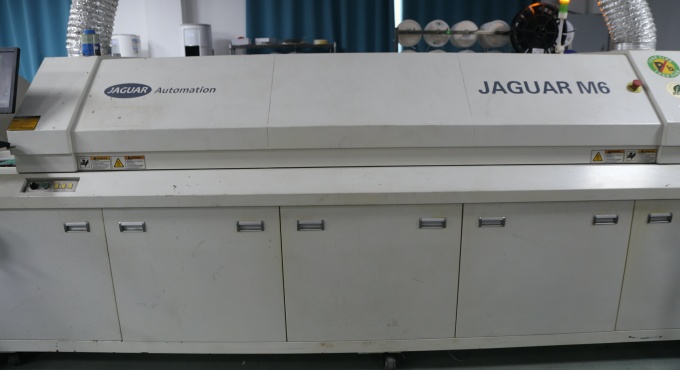
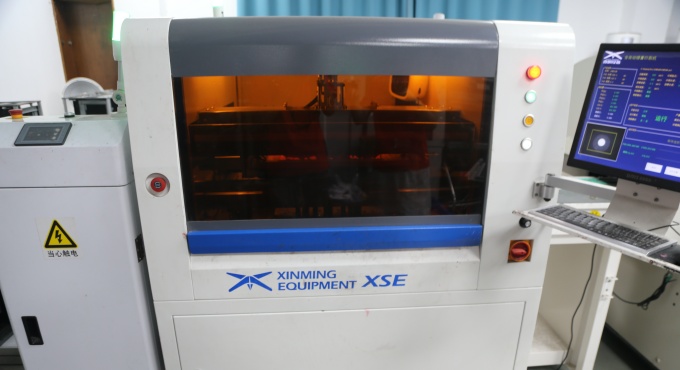
Linjia controls PCB production, housing manufacturing, assembly, electrical performance testing, high-voltage insulation inspection, full-load burn-in, labeling, and packaging within its manufacturing system. Confirmed specifications are used as the production reference for batch orders, helping reduce variation between samples and repeat shipments and improving consistency for long-term B2B supply.
Professional 12V Lead-Acid Battery Charger Manufacturer in China in China
Frequently Asked Questions About 12V Lead‑Acid Battery Chargers
What Are the Main Differences Between 12V2A, 12V3A, 12V5A, 12V6A, 12V8A, and 12V10A Chargers?
The main difference is charging current, which affects the suitable battery-capacity range, charging time, thermal load, and the electrical design required inside the charger. A higher-current charger is not automatically a better choice. The current must remain within the battery manufacturer’s recommended charging limits.
For B2B projects, charger selection should be based on battery type, capacity in Ah, full-charge voltage, required charging time, connector, and operating environment. Linjia therefore confirms the battery specification before recommending a 12V charger model.
In Which Scenarios Are 12V Lead-Acid Battery Chargers Usually Applicable?
12V lead-acid battery chargers are commonly used with battery-powered equipment, small mobility products, maintenance applications, backup battery systems, and other devices using 12V lead-acid batteries.
For OEMs, battery brands, importers, wholesalers, and equipment suppliers, the key is not the application name alone. Battery capacity, charging profile, connector, local AC input, installation environment, and expected duty cycle should be confirmed before mass production.
Do 12V Lead-Acid Battery Chargers Support Customization According to Project or Brand Requirements?
Yes. Linjia can customize charging current, charging profile, AC input, input plug, DC output connector, cable length, polarity, housing, label, logo, product code, and packaging according to confirmed project requirements.
For deeper ODM projects, charging solution development, PCB design, structural design, housing mould development, and related production adjustments can also be evaluated. The final configuration is confirmed against the battery specification and target market before production.
What Charging Current Is Recommended for Different 12V Battery Capacities?
The battery manufacturer’s recommended charge rate should always take priority. As a product-selection reference, Linjia’s catalogue lists the 12V2A model for approximately 10–20Ah batteries, the 12V3A model for 17–30Ah, the 12V6A model for 40–60Ah, the 12V8A model for 50–80Ah, and the 12V10A model for 70–100Ah.
For the 12V5A model, the suitable battery-capacity range should be confirmed from the battery specification and required charge rate rather than assumed from current alone. For OEM projects, Linjia can help check the current selection before sampling.
What Are the Common Structures of a 12V Lead-Acid Battery Charger?
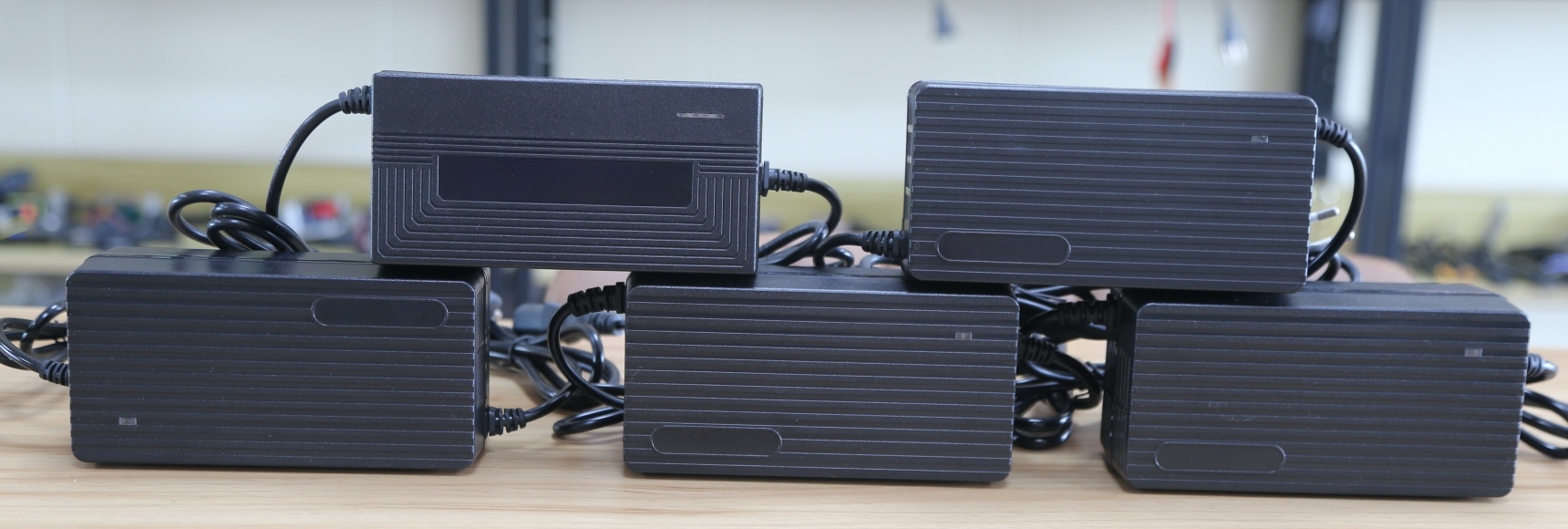
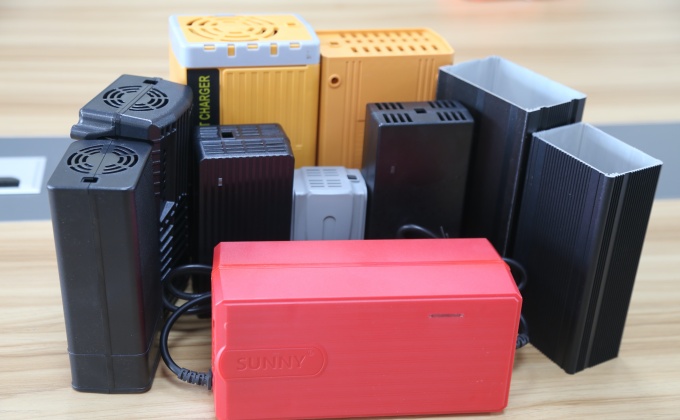
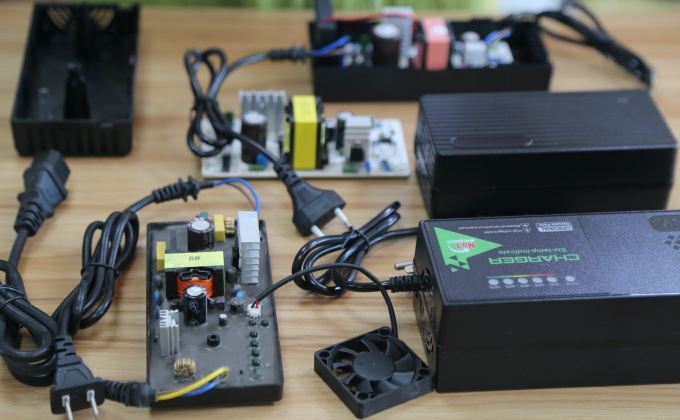
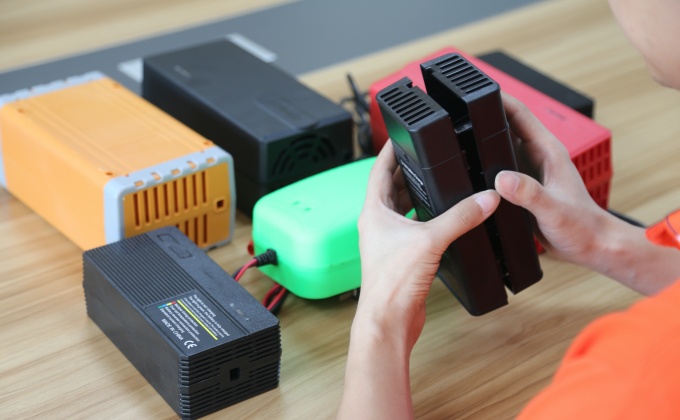
Common charger structures include compact plastic-housing models, metal-housing models for higher thermal loads, naturally cooled designs, fan-cooled designs, potted or sealed structures for demanding environments, and open-frame or semi-finished versions for local assembly projects.
The suitable structure depends on charging power, operating temperature, dust or moisture exposure, installation space, serviceability, and cost target. Structure should therefore be selected together with the electrical specification rather than as a separate cosmetic choice.
What Types of 12V Lead-Acid Batteries Can Be Considered for Charger Matching?
Common 12V lead-acid battery categories include flooded lead-acid, AGM, gel, and other sealed lead-acid designs. Although they share the same nominal voltage, their preferred charging voltage, charge current, and charging stages may differ.
Before confirming an OEM battery charger, buyers should provide the battery type, nominal voltage, full-charge or recommended charging voltage, capacity in Ah, and battery manufacturer’s charging requirements. Linjia uses these parameters to determine whether an existing charger can be used or whether the charging profile needs adjustment.
What AC Input and Plug Configurations Are Common for 12V Chargers?
Linjia’s charger platform can be configured for AC110V, AC220V, or AC110–220V input depending on the project. Input frequency is typically matched for 50–60Hz applications, while the exact operating range is confirmed according to the selected design and target market.
Input plug type, cable specification, and labeling can also be customized. For importers or distributors serving multiple countries, confirming local mains voltage and plug requirements before production helps reduce repacking, adapter use, and after-sales compatibility problems.
What Output Connectors and Cable Options Are Commonly Used for 12V Battery Chargers?
The DC output side can be matched to the customer’s battery or equipment interface. Depending on the project, this may involve different connector styles, clips, terminals, cable lengths, cable gauges, polarity arrangements, or pin definitions.
Because two connectors that look similar may use different polarity or pin assignments, Linjia recommends providing a clear connector photo, interface drawing, or physical sample when possible. Connector and polarity confirmation is an important step before mass production.
Which Housing, Label, and Branding Options Are Supported for 12V Chargers?
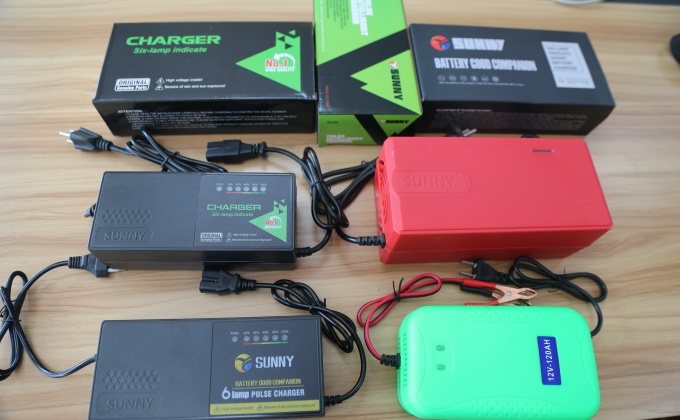
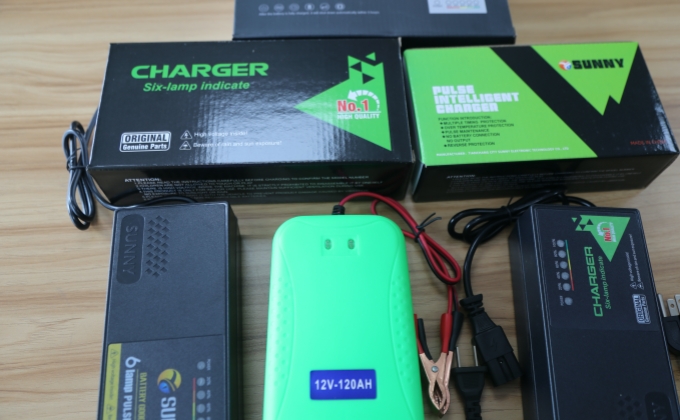
OEM and private-label projects can be configured with different housing solutions, product labels, logos, model numbers, cable marks, carton information, and packaging layouts. Where a new structure is required, Linjia can also evaluate custom housing and mould-development requirements.
For distributors and battery brands, these options help maintain consistent product identification across different charging-current versions while keeping the electrical specification matched to each battery application.
What Are the Differences Between Natural Cooling and Fan Cooling for 12V Chargers?
Natural cooling removes heat through the housing and internal thermal design without an external fan. It can simplify the structure and eliminate fan noise or fan-wear concerns, but the charger must have sufficient thermal margin for its power level and environment.
Fan cooling increases airflow and is more suitable when the charger has a higher thermal load or limited passive heat-dissipation area. The correct choice depends on output power, internal layout, ambient temperature, duty cycle, enclosure design, and target reliability. Not every 12V charger requires a fan.
Do 12V Lead-Acid Battery Chargers Support Protection Functions?
Yes, protection functions can be incorporated according to the charger design and project requirement. Common functions include over-voltage, over-current, short-circuit, reverse-connection, over-temperature, and timing protection.
The exact protection combination should be confirmed for the selected model rather than assumed to be identical across every charger. For OEM projects, Linjia can review the required protection logic during specification confirmation.
How Is the Electrical Safety and Stability of 12V Chargers Controlled Before Shipment?
Linjia uses standardized manufacturing and inspection processes covering incoming material inspection, semi-finished product testing, finished-product electrical performance testing, high-voltage insulation testing, and full-load burn-in testing.
The purpose is to identify assembly, insulation, output, or early-life performance problems before shipment. Certification or testing documentation such as CE or applicable IEC support depends on the specific model and target-market requirement and should be confirmed for the order.
How Well Can a 12V Charger Adapt to Local Voltage Fluctuation?
Input-voltage conditions vary by country and region. A charger designed only around an ideal mains voltage may experience unstable operation, excess thermal stress, or failure when used on a weak or fluctuating grid.
For projects serving markets with unstable power, Linjia can evaluate the AC input range, component margin, surge-related requirements, thermal design, and protection functions. The required input window should be defined during development rather than assumed from the nominal mains voltage alone.
Can the Charging Profile Be Adjusted for Different Lead-Acid Battery Requirements?
Yes. Lead-acid batteries with the same 12V nominal voltage may still require different charging voltages, current limits, or charging stages. Charging-profile matching should therefore be based on the battery supplier’s specification.
For ODM projects, Linjia can evaluate charging logic and related circuit settings according to the battery type, full-charge voltage, capacity, use environment, and required protection functions. Samples should be validated with the intended battery before mass production.
What Is the Expected Service Life of a 12V Lead-Acid Battery Charger?
There is no single reliable service-life figure that applies to every charger because life depends on component selection, thermal design, input-voltage quality, ambient temperature, dust or moisture exposure, charging duty cycle, load condition, and user operation.
For B2B buyers, a better approach is to confirm the intended environment and operating profile before production and then select the appropriate component, cooling, housing, and protection configuration. Full-load burn-in and electrical testing help screen production issues, but actual field life still depends on real operating conditions.
Is It Easy for a 12V Charger to Overheat, Fail, or Develop Cable Problems During Long-Term Use?
Long-term problems are more likely when the charger is incorrectly matched, operated near its thermal limit, exposed to unstable input power, used in excessive heat or dust, or paired with unsuitable connectors and cables.
These risks can be reduced by selecting sufficient electrical and thermal margin, confirming cable and connector current capacity, using appropriate protection functions, and matching the housing or cooling structure to the operating environment. For demanding markets, Linjia can evaluate a higher-margin configuration during OEM or ODM development.
How Should 12V Lead-Acid Battery Chargers Be Used and Maintained Correctly?
Use the charger only with the battery voltage, battery type, capacity range, connector, and polarity for which it was specified. Keep ventilation openings clear, avoid water or heavy dust unless the selected model is designed for that environment, and do not cover the charger during operation.
Before repeated use, check the AC cable, DC cable, connector, and housing for damage or looseness. If the charger shows abnormal heat, smell, noise, output, or indicator behavior, disconnect it and inspect the battery and charger rather than continuing to operate it. Correct use and basic inspection help reduce avoidable failures in the field.
Get an Instant Quote Now
We’re Here to Answer All Your Questions
What Is Your Typical Production Lead Time?
Lead time depends on order quantity, charger specification, customization depth, material preparation, and whether new tooling or circuit development is required. Standard or repeat orders normally require less preparation than new ODM projects. The confirmed delivery schedule is provided after the specification and order quantity are finalized.
Do You Provide Plugs, Connectors, Cables, Labels, and Packaging Together with the Chargers?
Yes. Linjia can supply and customize input plugs, DC output connectors, cables, labels, product codes, and packaging according to the confirmed order specification. Buyers can provide drawings, connector photos, samples, or packaging files for matching before production.
Can You Produce Chargers According to Our Local Electrical or Market Requirements?
Yes. Linjia can evaluate AC input, plug type, output specification, connector, cable, protection functions, thermal design, labeling, and related certification or testing requirements according to the target market. Compliance scope depends on the specific charger model and local requirement, so it should be confirmed before mass production.
Do You Support OEM or Private-Label Orders?
Yes. We support OEM and ODM projects for battery brands, vehicle manufacturers, equipment suppliers, importers, wholesalers, and distributors. Logo, label, product code, cable marks, housing requirements, and packaging can be customized, while deeper ODM projects can include charging-solution, PCB, structural, and mould development.
What Are Your Payment Terms?
Payment terms are confirmed in the formal quotation or proforma invoice according to the order type, customization scope, order value, and shipping arrangement. Please confirm the current payment conditions with Linjia before placing the order rather than relying on a fixed term that may not apply to every project.