
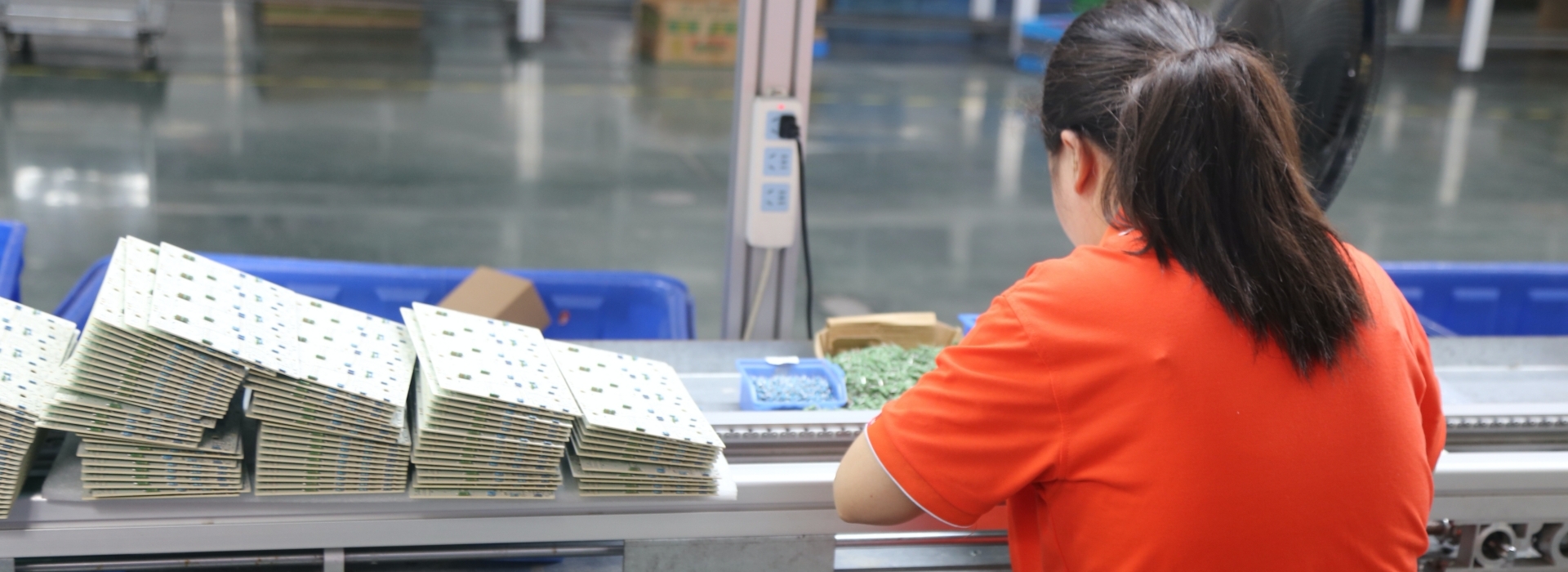
Battery Charger Manufacturing Process
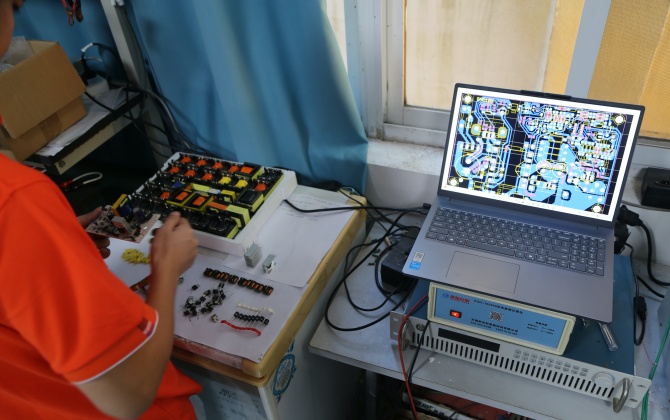
Step 1: Charger Design and BOM Confirmation
We confirm the charging solution based on battery type, voltage, current, charging curve, connector, and input requirements. PCB design, component selection, and sample preparation are arranged before mass production.
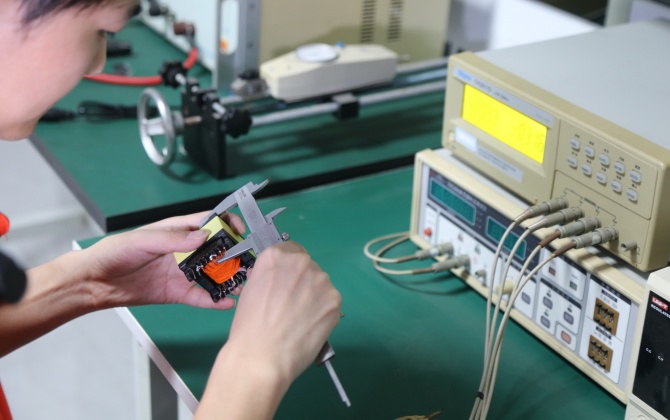
Step 2: Incoming Material Inspection
PCBs, electronic components, housings, cables, labels, and packing materials are checked before entering production. This helps reduce defects caused by wrong materials or inconsistent parts.
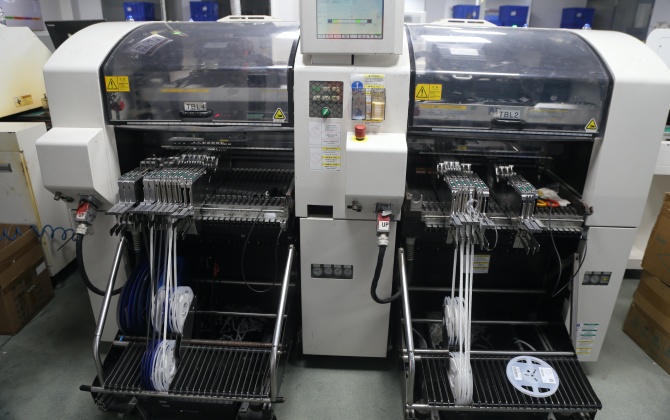
Step 3: SMT and PCB Processing
The PCB production stage includes solder paste printing, SMT placement, DIP insertion where required, and soldering. Proper processing at this stage supports stable circuit performance and production consistency.
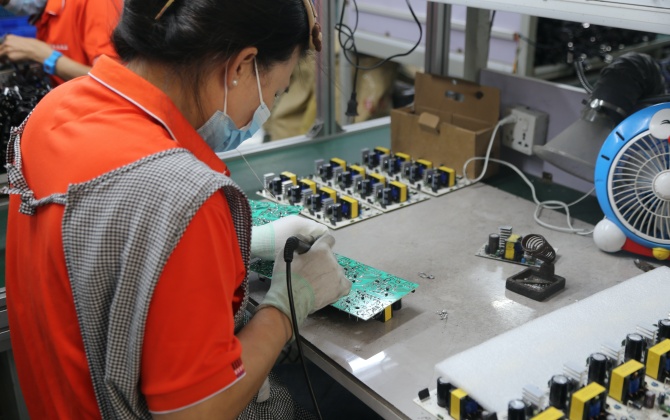
Step 4: PCBA Inspection and Semi‑Finished Testing
After PCB assembly, the semi‑finished boards go through inspection and functional testing. This step helps identify soldering issues, component problems, or abnormal circuit behavior before final assembly.
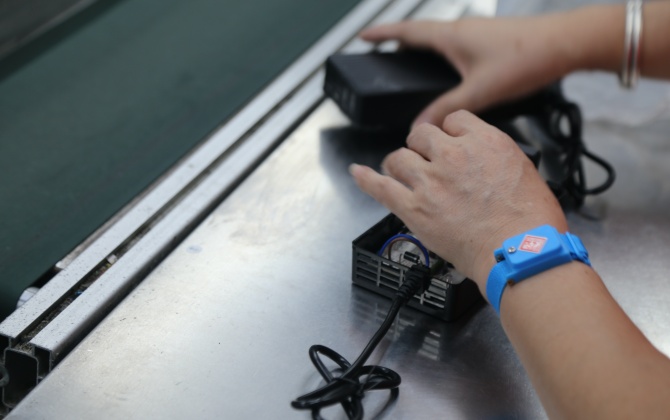
Step 5: Charger Assembly
Workers assemble the PCBA, cooling system, cables, connectors, housing, and labels according to the approved specification. Connector polarity and internal wiring are checked during assembly.
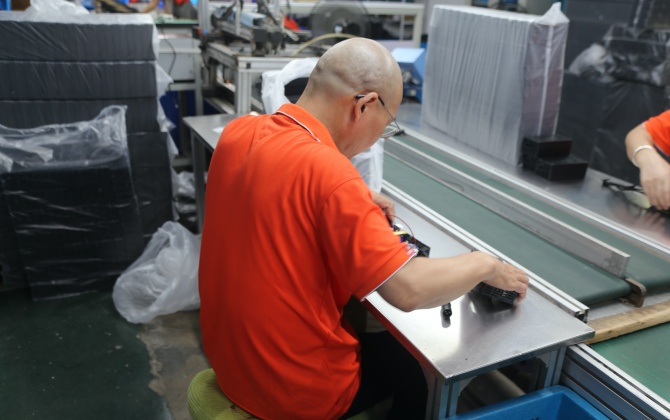
Step 6: Potting or Housing Finishing
For specific models, potting is applied to improve waterproofing, heat dissipation, vibration resistance, or environmental durability. For other models, housing finishing and appearance inspection are completed at this stage。
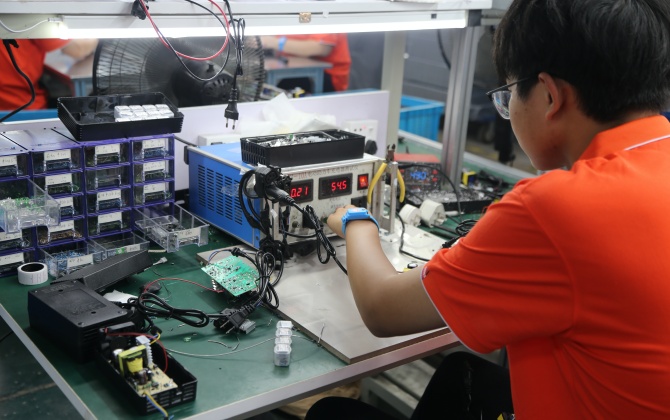
Step 7: Electrical Performance and Safety Testing
Finished chargers are tested for output voltage, charging current, indicator function, protection response, insulation, and other key items. This helps verify that each unit meets the required electrical performance.
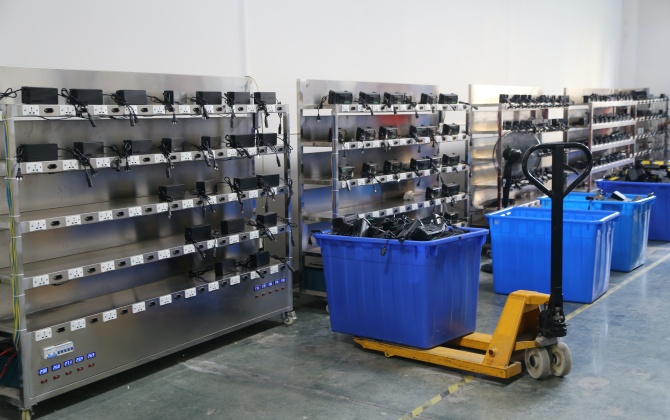
Step 8: Aging Test, Packing, and Delivery Preparation
Chargers go through aging or burn‑in testing before final packing. After that, the products are labeled, packed, and prepared for shipment to support stable batch delivery and clear order identification.
Linjia Battery Charger Manufacturing Department
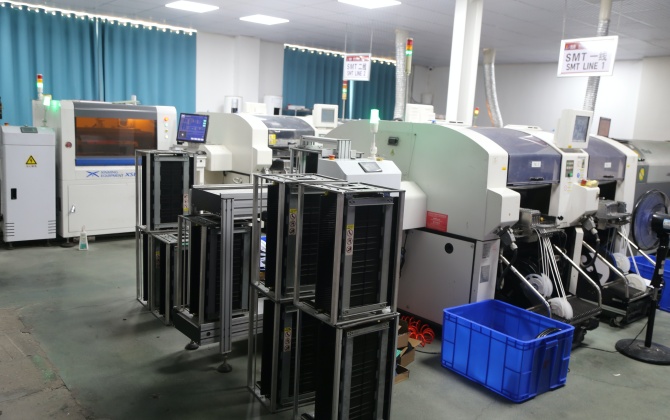
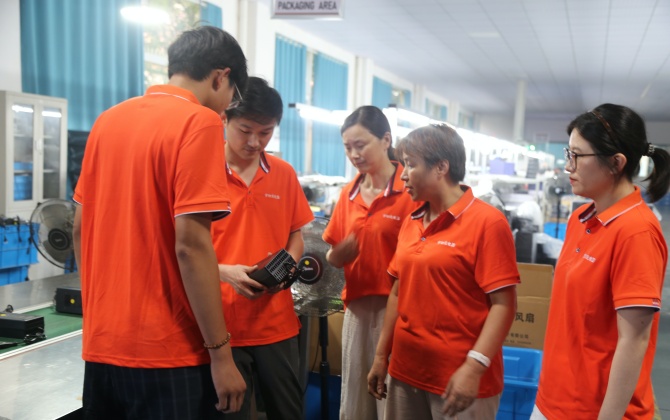
This is where design concepts are turned into finished battery chargers. Our manufacturing department handles the practical work from PCB processing and charger assembly to testing, aging, and packing.
The factory is supported by SMT lines, assembly lines, aging test capacity, potting capability, and in‑house injection molding for charger housings. This helps us control quality more directly and respond more efficiently to OEM/ODM projects.
Our production team works together with engineering, quality control, and sales support to reduce communication gaps and keep manufacturing aligned with approved specifications.