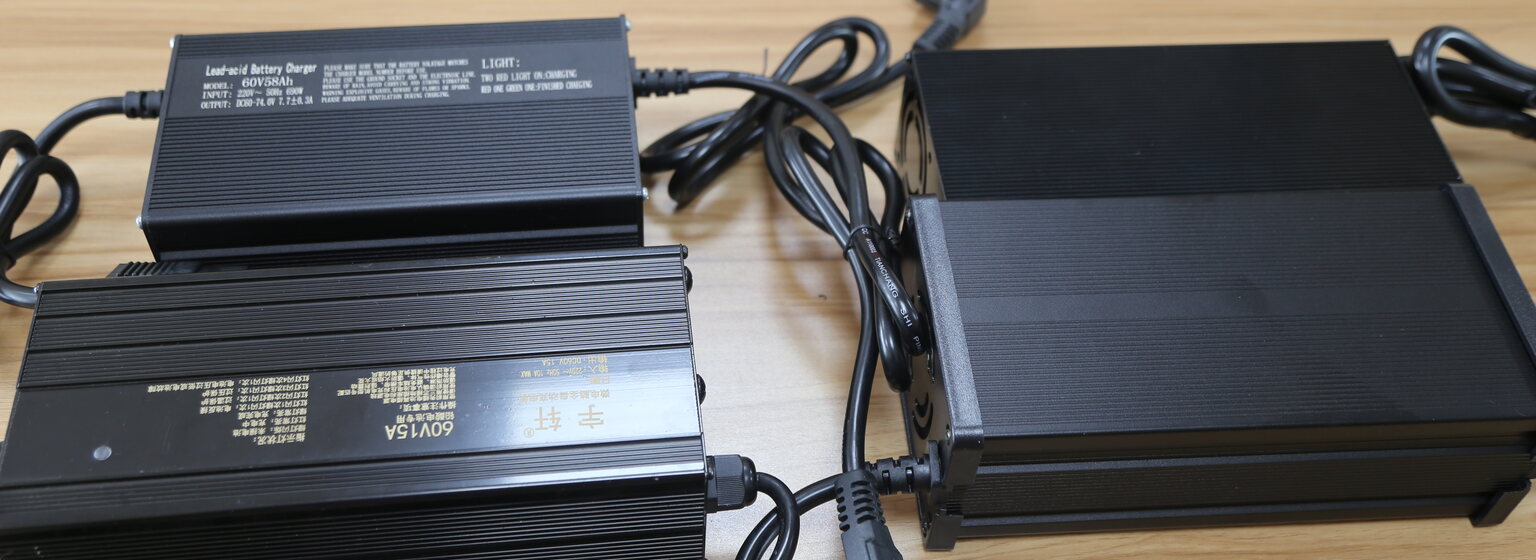
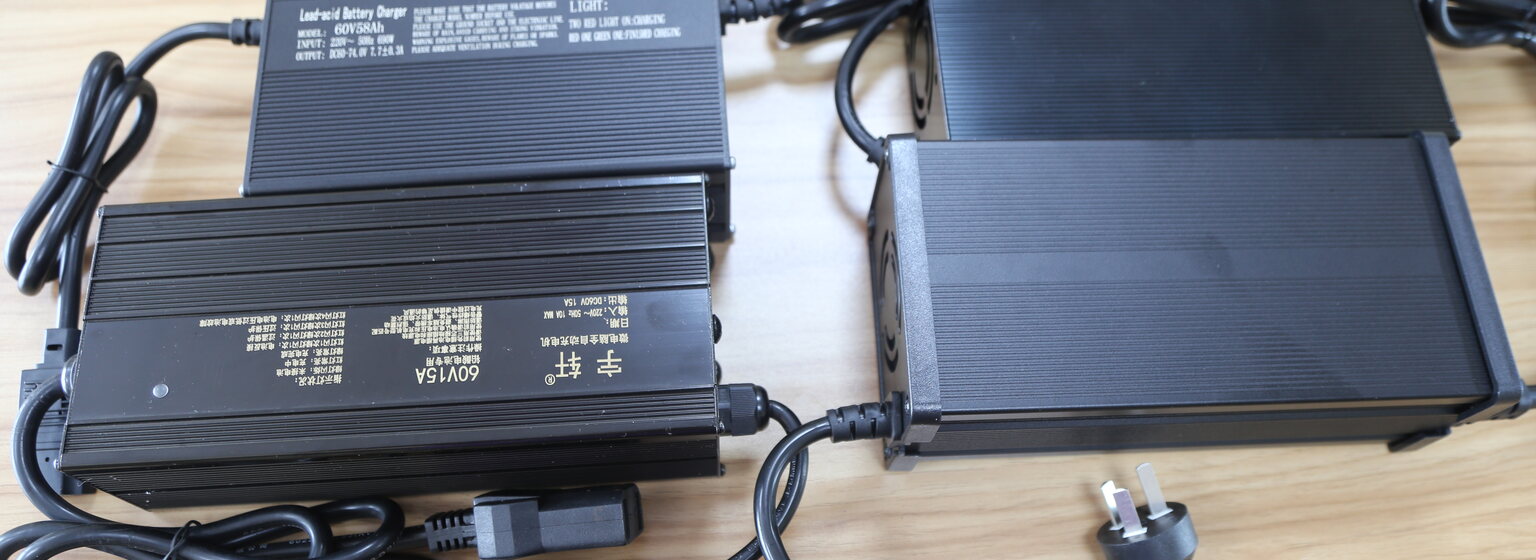
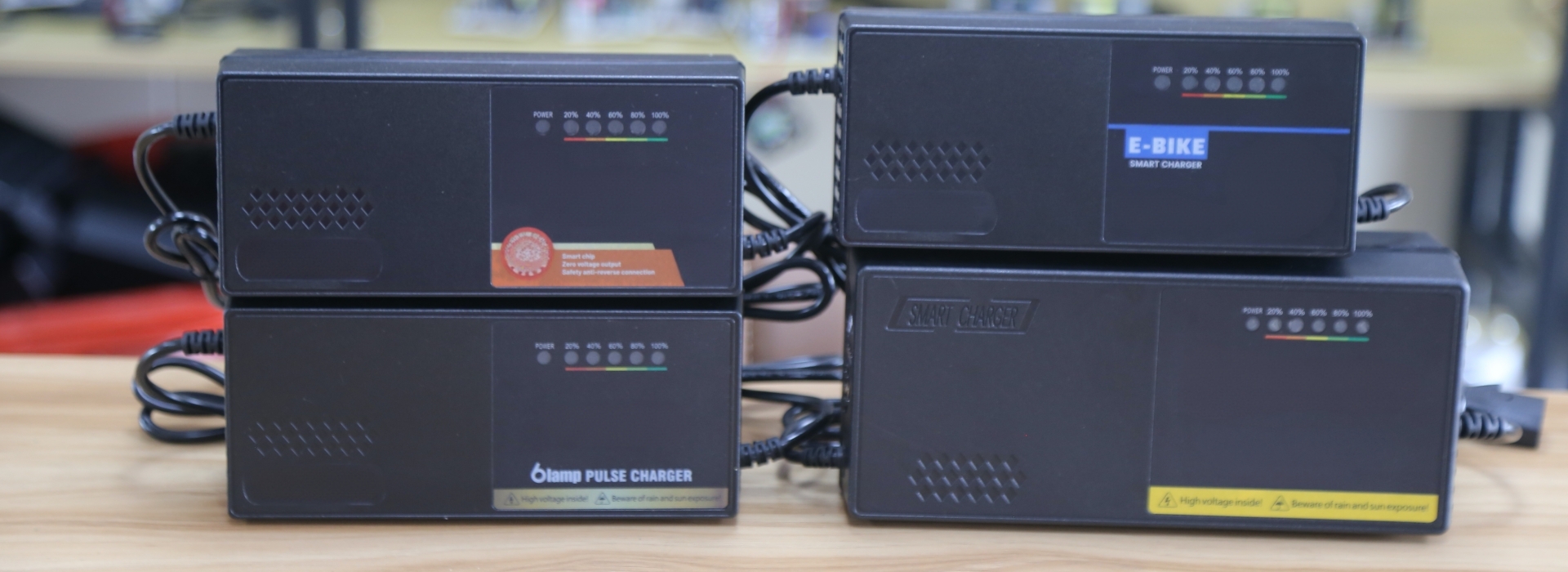
The same 48V charger should not normally be used for lead-acid, lithium-ion, and LiFePO4 batteries. “48V” is only a nominal system label. These battery types can require different full-charge voltages, charging stages, termination rules, temperature behavior, and safety controls. A plug that fits does not prove compatibility.
A…
Choose a 48V 5A charger when the battery, charging window, connector, and thermal conditions favor a moderate current; choose 10A only when the complete battery system is approved for the higher rate and faster turnaround has real operational value. The 10A option can be roughly twice as fast during the constant-current portion…
The right 48V battery charging current is the highest current that stays within the battery maker’s continuous charge limit, the BMS limit, and the thermal and connector limits of the complete system. Battery capacity provides a useful starting point, but it is not enough by itself. Chemistry, series-cell count, full-charge volt…
A battery charger factory audit should verify whether the supplier can reproduce an approved charger consistently—not just whether the workshop looks busy. Buyers should trace one product from incoming materials through SMT/DIP and PCBA inspection, assembly, electrical testing, dielectric withstand, full-load burn-in, final orde…
Choose an e-rickshaw battery charger by matching the battery system—not by matching the vehicle’s nominal voltage alone. Confirm the battery chemistry, nominal and full-charge voltage, capacity, permitted charging current, BMS limits, connector pin definition and polarity. Then check the destination-market AC input and plug, the…