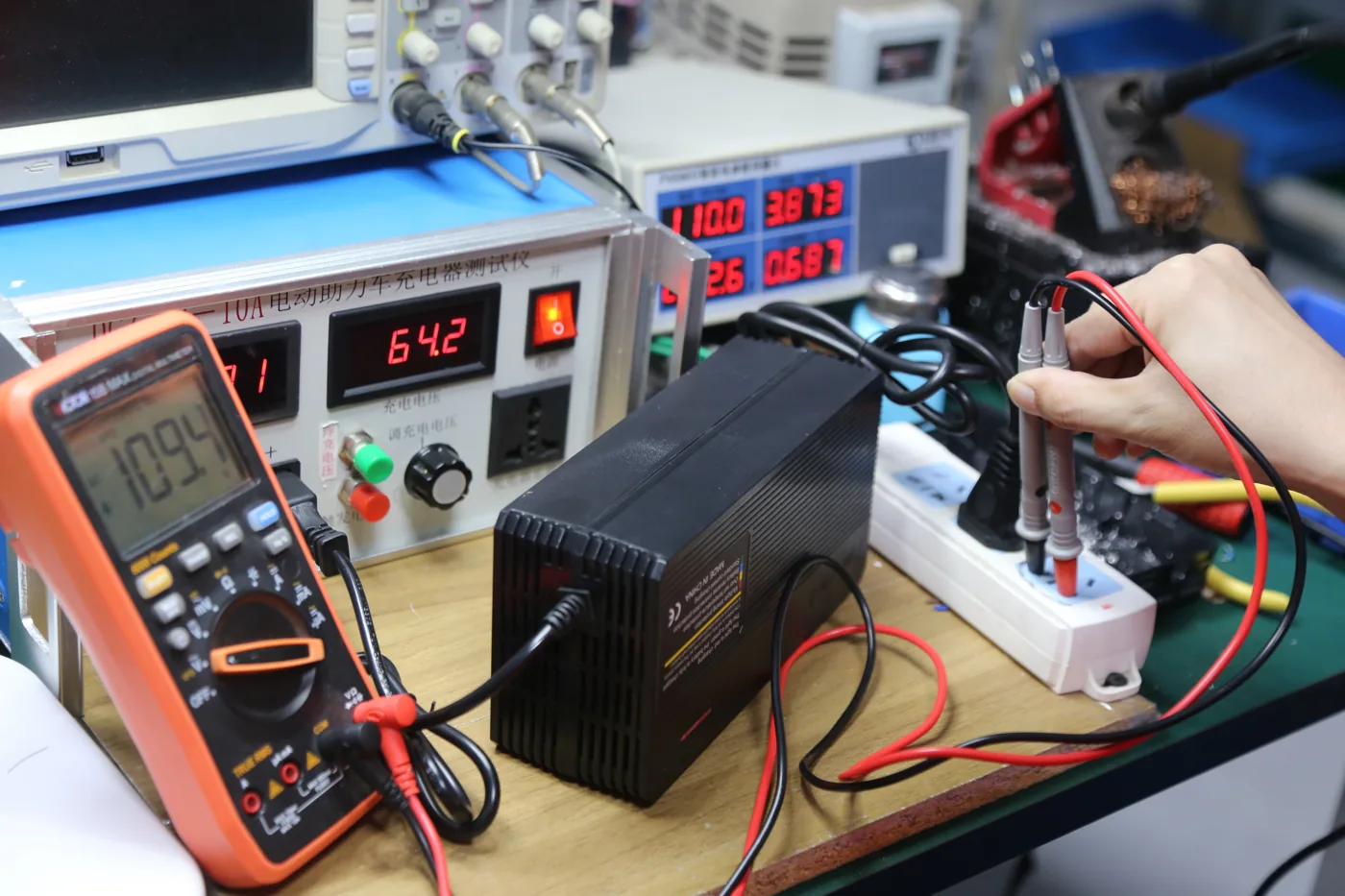
Charger mass production failures can occur when normal manufacturing variation or real operating conditions expose a weakness that the sample evaluation did not reveal. The problem may involve assembly, materials, the test setup, or the charger’s interaction with the battery and installation. A working sample cannot identify wh…
A charger overheats when heat builds up beyond the conditions its design can safely handle. Buyers should check restricted airflow, hot surroundings, cooling-fan behavior, battery and charger specifications, AC supply, and cable or connector condition. Some warmth during charging is expected. Smell, smoke, deformation, damaged…
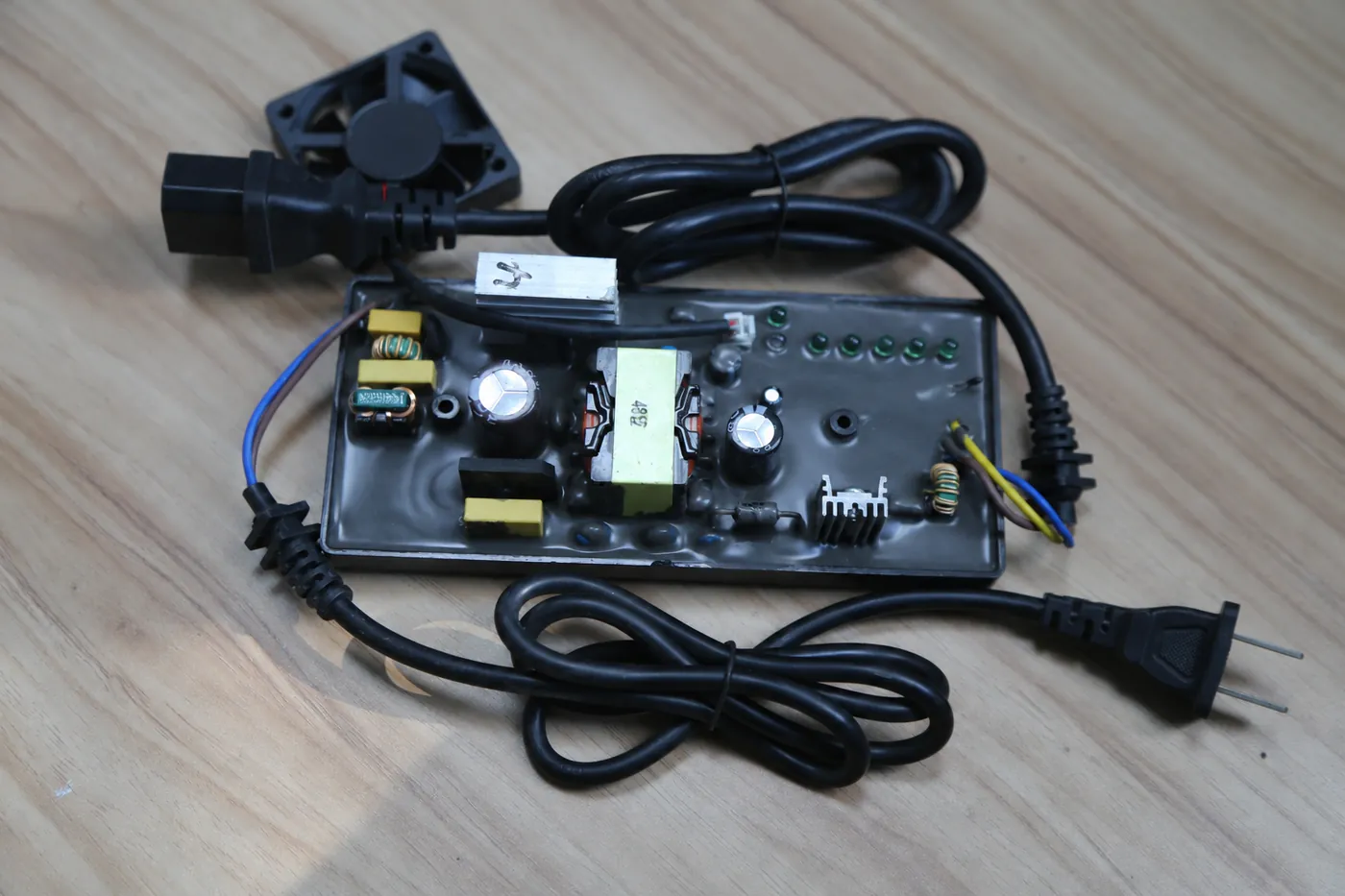
Potted chargers use an encapsulating compound around all or part of the electronic assembly. Non-potted chargers leave the assembly without that bulk fill. For OEM buyers, the choice depends on exposure, thermal performance, weight, service strategy and production control. Confirm the actual coverage and finished-unit test evid…
Natural cooling uses the charger's thermal structure and surrounding air without a cooling fan. Fan cooling adds forced airflow and can support a higher continuous output within a particular design. Choose between them using the required charging power, ambient temperature, installation space, noise limits and maintenance condi…
Choose charger input voltage from the actual AC supply and the exact operating range approved for the charger. A fixed 110V or 220V version can suit a defined supply market; a continuous wide-range version can cover multiple supply conditions when its specification permits them. Check frequency, available output at the lowest…