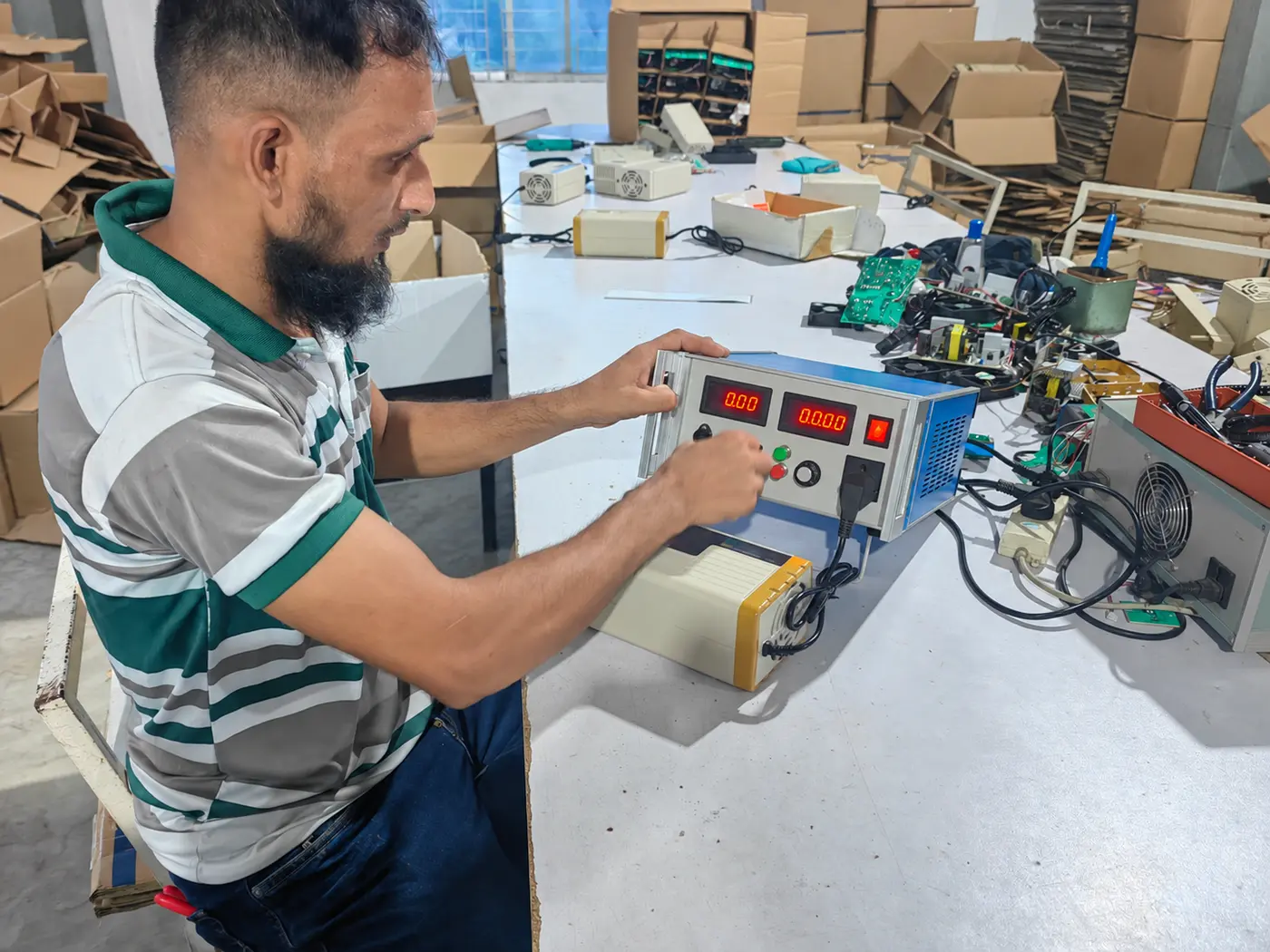
Dielectric withstand testing, also called a hipot test, checks whether specified insulation barriers in a charger can withstand a defined high voltage for a defined time without breakdown or exceeding the permitted test-current limit. It addresses insulation integrity rather than charging performance. A meaningful result identif…
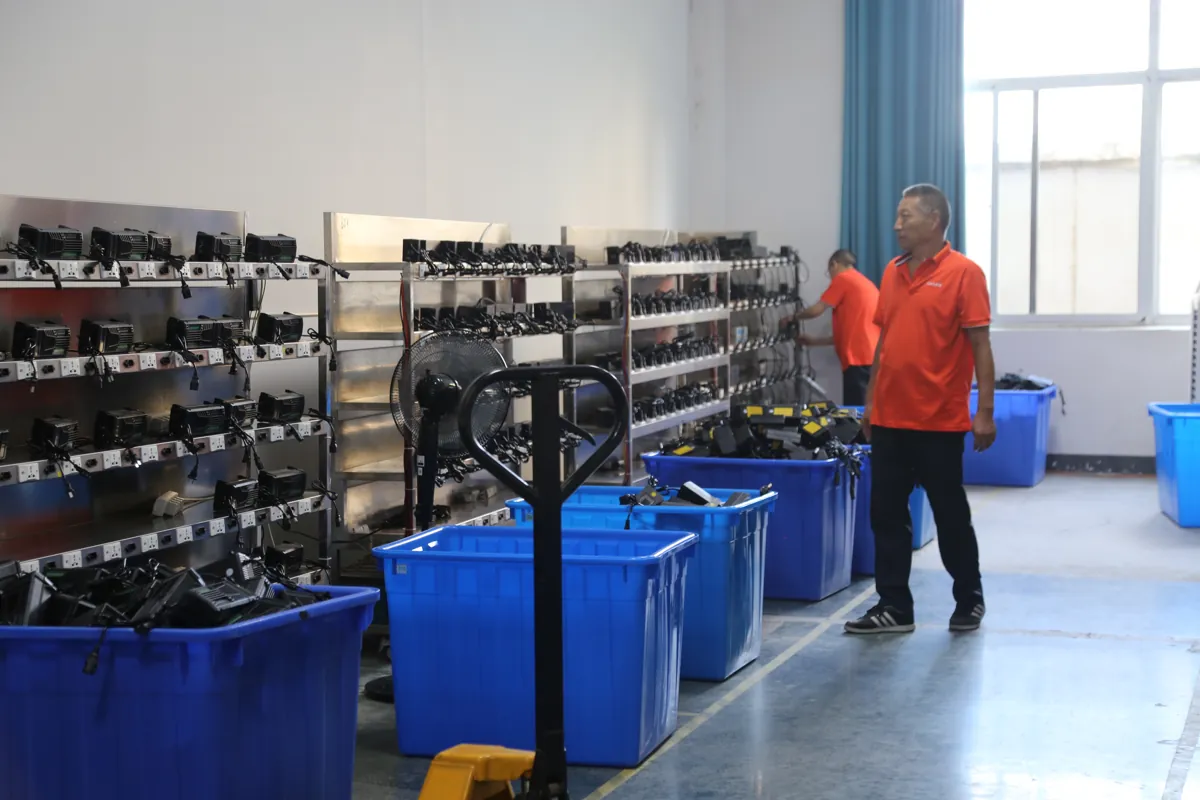
Full-load burn-in supports charger quality control by operating a charger under a defined load for a controlled period, giving the factory an opportunity to identify early operating abnormalities before release. It adds an operating-time dimension to electrical checks. Its value depends on the actual load, input, cooling conditi…
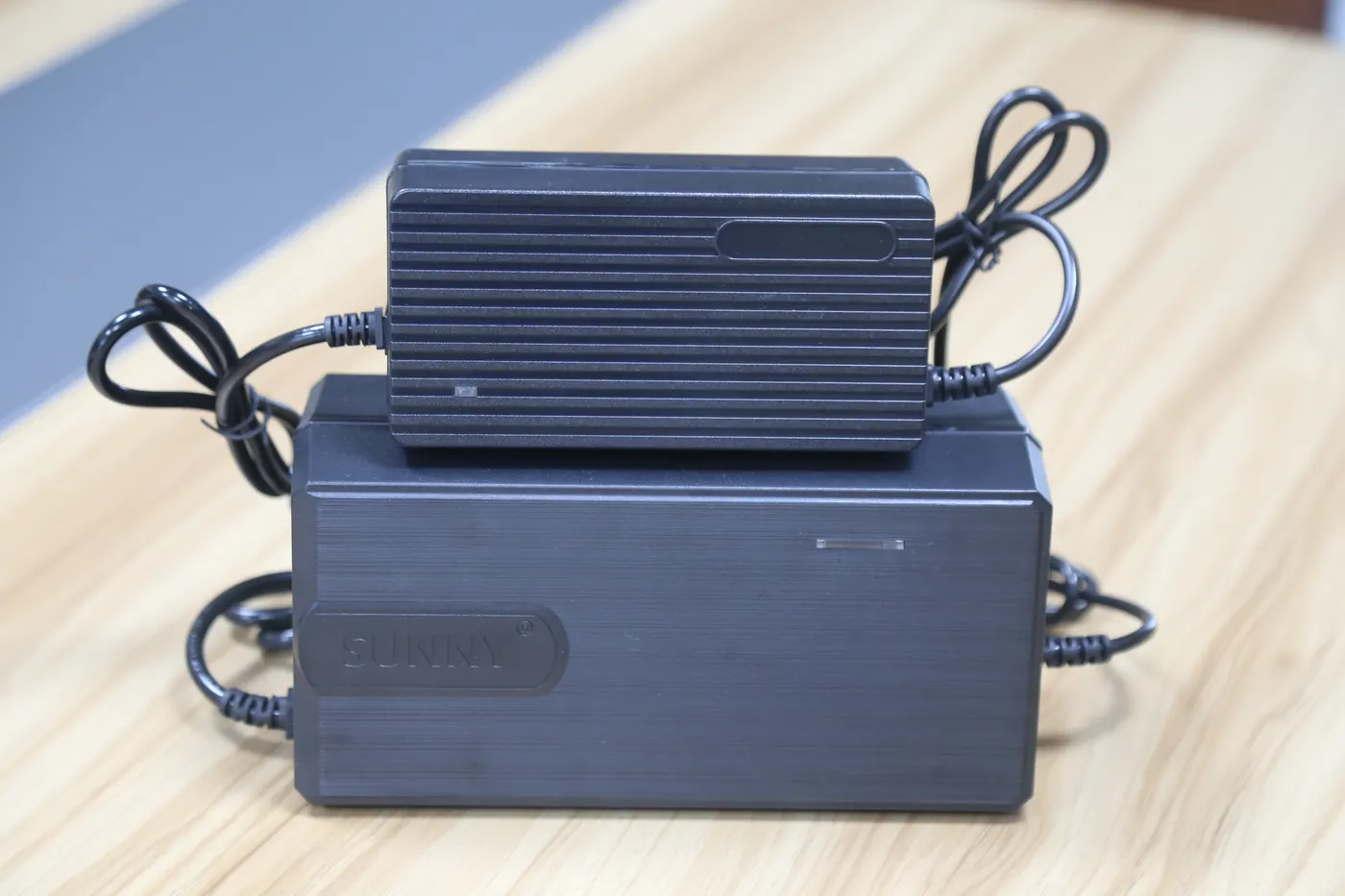
Before ordering a custom charger, confirm seven specification groups: battery chemistry and charging profile; output voltage; charging current and BMS limits; the output connector and cable; AC input and plug; installation and environment; and the final OEM configuration with acceptance requirements. Record the agreed values, su…
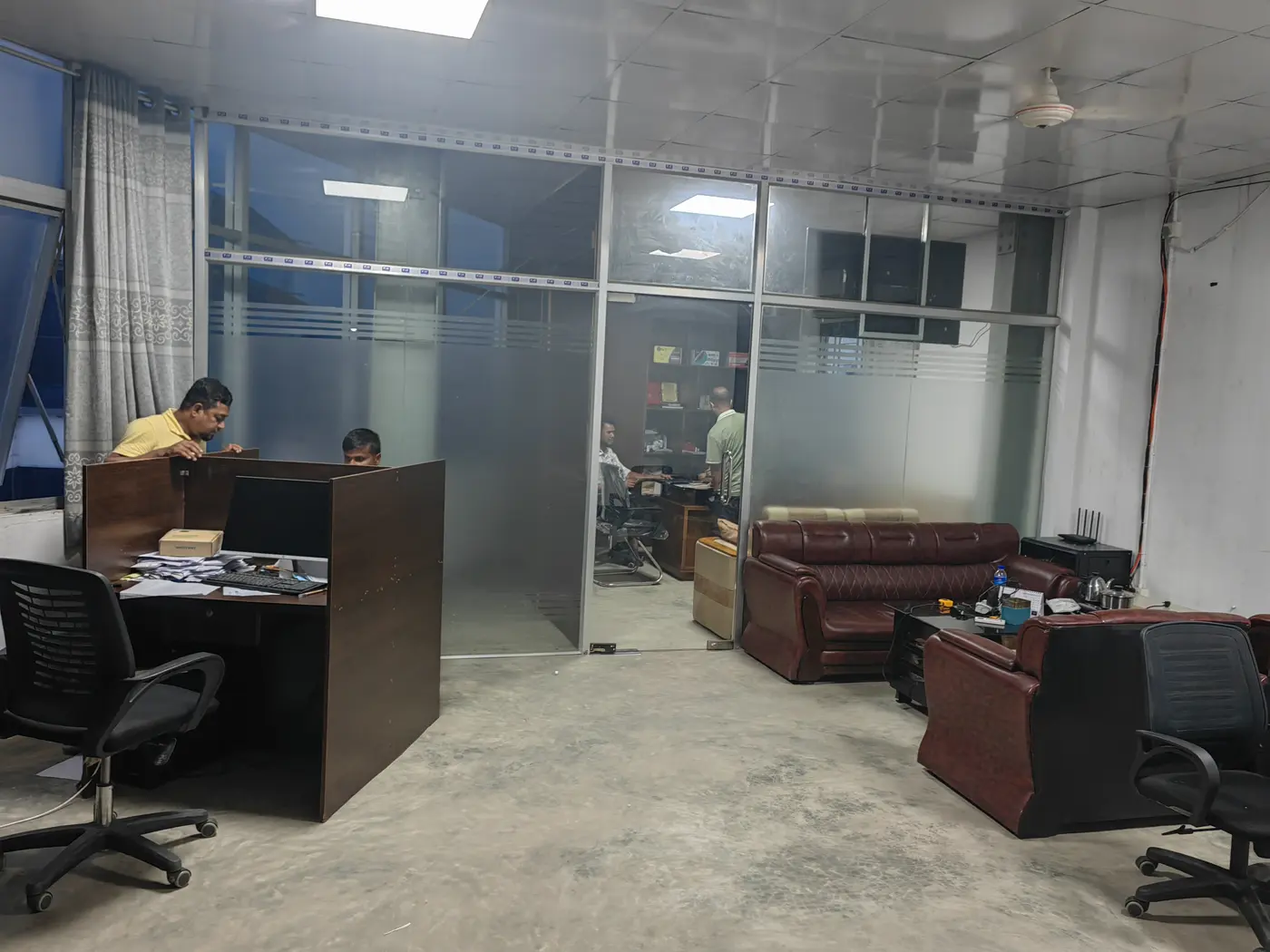
Linjia Power founder Sunny recently visited the company’s Bangladesh battery charger factory to review production operations with the local team and support the resolution of on-site issues. The visit continues a partnership that has developed from finished charger exports from China into SKD battery charger assembly, local pro…
Interview Date: September 26, 2026Interview Topic: Wide Voltage Charger Technology, Charging Current Matching, and Overseas Localization PracticeThis interview explores the technical boundaries of wide voltage chargers, the matching of charging current to batteries, and overseas production and localization models. Drawing on S…