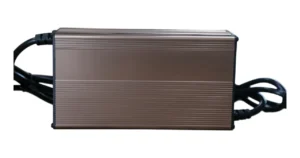
Sample approval confirms that the evaluated charger meets agreed requirements under the recorded test conditions. Mass-production approval confirms that the factory can deliver that approved configuration repeatedly. Charger consistency matters because later units must retain the agreed charging behavior, interface, construction and identification within defined acceptance limits. Before releasing a bulk order, OEM buyers should connect the approved sample to a revision-controlled specification, production instructions, a project-specific test plan and a clear process for handling changes.
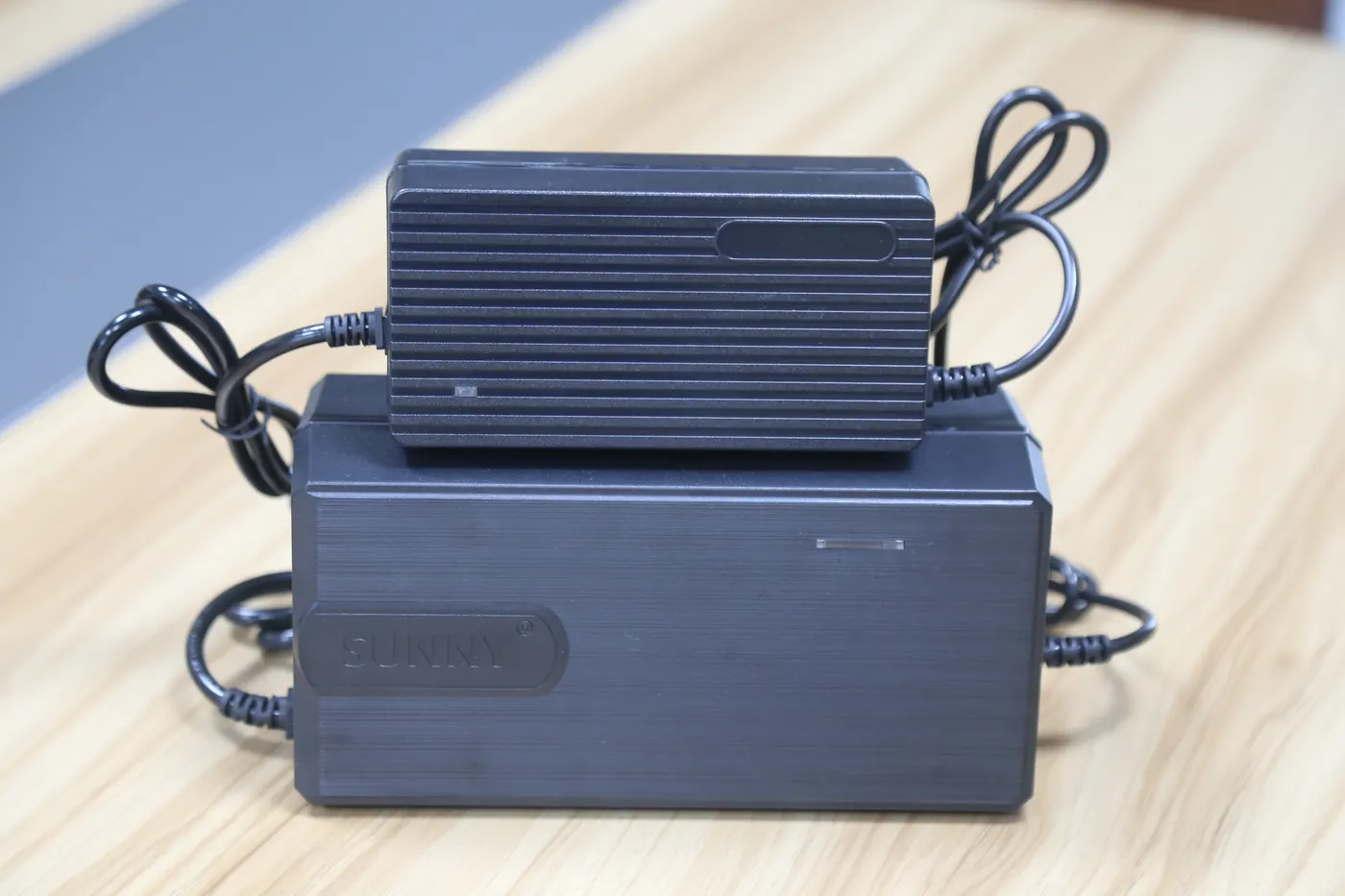
Sample Approval vs Mass Production: Two Different Decisions
An engineering sample answers whether a proposed charger configuration works for the intended battery and application. Production release answers whether the ordered units were built and checked against that configuration. These decisions are connected, but one cannot stand in for the other.
A sample may be adjusted during development. Its cable, charging program or housing may change between evaluations. The version finally approved must therefore be identifiable. A successful charge cycle with an earlier prototype does not automatically approve the final version, another battery pack or a later material substitution.
| Decision | Sample approval | Mass-production release |
|---|---|---|
| Main question | Does this identified configuration meet the agreed application requirements? | Does this batch conform to the approved configuration and release plan? |
| Reference | Sample ID, specification revision and recorded evaluation conditions | The same approved revision, with controlled production documents |
| Evidence | Relevant charging, interface and operating-condition evaluation | Applicable inspection and test records linked to the batch or order |
| Unresolved issue | Record exclusions, temporary parts and outstanding verification | Close required actions before affected units are released |
| Approval outcome | Approval for a defined version and scope | Release of a defined quantity and configuration after required checks |
What Charger Consistency Actually Means
Consistency does not mean every measured value is numerically identical. It means the features that affect use stay within the approved specification and tolerances, and each delivered unit belongs to the intended product variant. The acceptance limits must be agreed for the project rather than invented after a batch is finished.
For example, two chargers can share a nominal voltage label and a similar enclosure while using different charging profiles or connector pin definitions. A power-on check would not establish that either one matches the approved battery system. Battery chemistry, exact charging requirements and interface details remain part of the configuration.
If the voltage terminology is still unclear, review the difference between nominal and full-charge voltage before freezing the sample specification. A stable production process cannot correct an incorrectly defined requirement.
Turn the Approved Sample Into a Production Reference
The most useful sample-approval handover tells production what to build, quality staff what to verify and the buyer what changes require review. Keep the following items connected through the model or project identifier and revision.
Electrical and Battery Requirements
Record battery chemistry, nominal and full-charge voltage, capacity, charging-current requirements and charging behavior. For lithium projects, include the relevant BMS voltage and current limits and any communication requirements. Identify the battery or battery specification used in evaluation so a later battery change is visible.
Interface and Construction
Confirm the AC input range and plug, output connector, mating connector, pin assignment, polarity, cable configuration, housing and cooling arrangement. Use drawings or identified parts where possible. A connector photograph is useful for discussion, but it does not define electrical polarity or every mechanical dimension. The OEM charger connector pin-definition guide explains how to connect the drawing view, contact functions and production fixture to the approved interface.
Evaluation Record and Open Items
Preserve the test method, battery or load used, relevant input and environmental conditions, results and acceptance criteria. List any sample deviations explicitly. If an engineering sample used a temporary cable or enclosure, state whether that item is approved for production or must be replaced and verified.
Identification and Commercial Details
Approve the label artwork, model designation, electrical rating information, accessories, packaging and carton marks relevant to the order. Assign separate identifiers when market variants need different plugs, labels or connectors. The same product name should not conceal several configurations.
Linjia’s custom battery charger development process describes confirming the sample and key specifications before transferring the configuration to pilot or mass production. Use that handover to settle the production reference while the engineering evaluation is still accessible.
Use the First Production Run to Verify the Handover
A pilot run or agreed first-batch review is useful when a configuration is new, has changed materially or depends on an unfamiliar production step. Its purpose is to check the transfer into normal manufacturing: the intended materials, instructions, fixtures and inspection methods should produce the approved result.
Select review units from the actual production run. Compare their configuration with the approval package and evaluate the agreed characteristics. Identify whether an issue comes from the design, an ambiguous instruction, material identification, assembly or the test setup. Correct the cause and repeat the affected verification before expanding production.
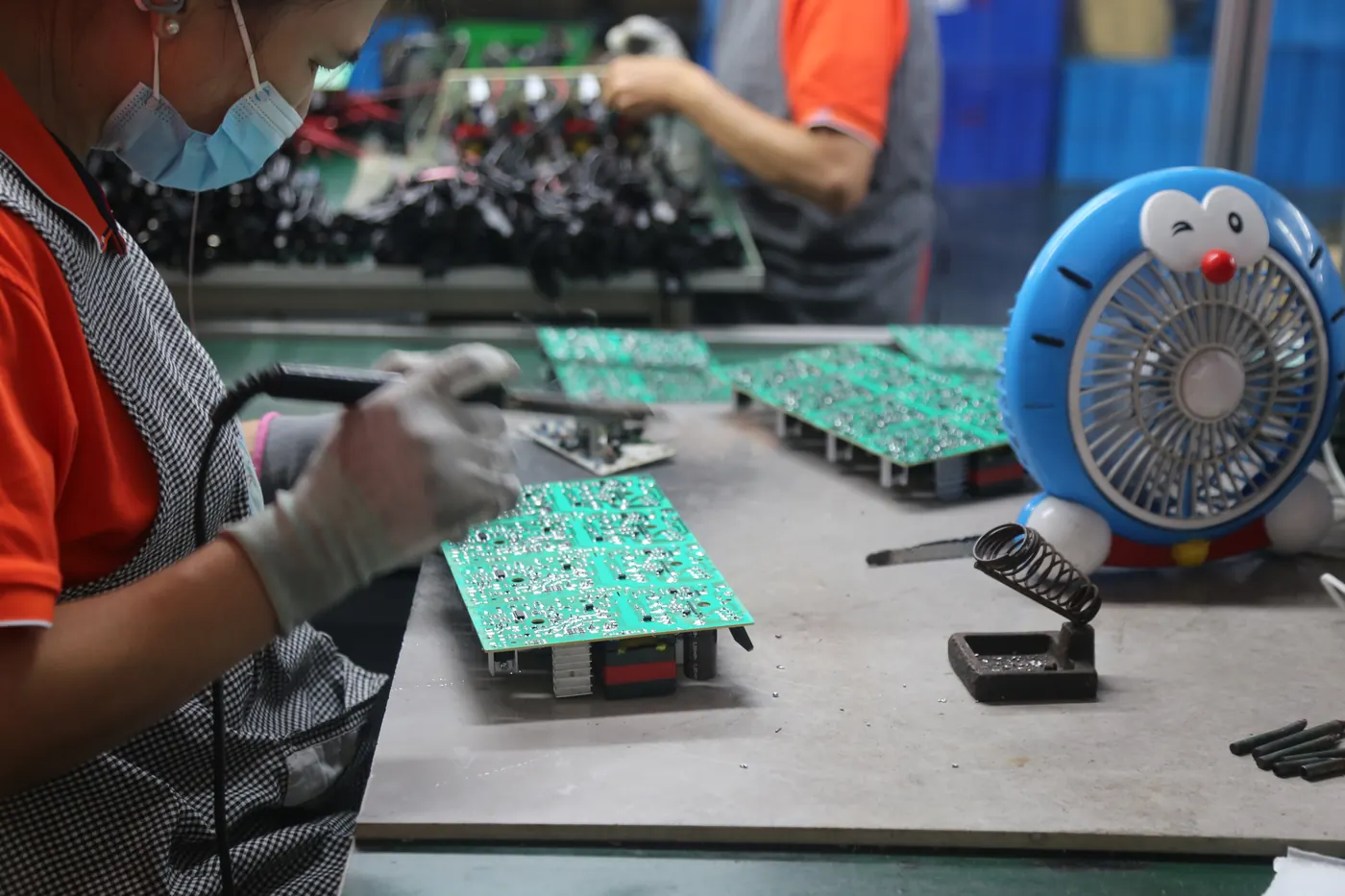
There is no universal pilot quantity for every charger project. Agree the review scope around configuration complexity, process changes and the risks that need evidence. A small repeat order for an unchanged model and a new ODM electrical design do not require the same development exercise.
Separate Design Validation From Routine Batch Checks
Sample evaluation establishes whether the design is suitable for the intended use. Routine production checks determine whether manufactured units conform to the approved requirements. Both are needed where applicable; repeating a simple functional check cannot answer every design-validation question.
Define what is checked, how it is measured, the acceptance limits, the inspection coverage and the disposition of failures. An electrical result should refer to the correct model and specification revision. A result marked only “pass” is difficult to interpret if nobody can identify the method or limits used.
For chargers, the applicable plan may include output performance, charging or indicator behavior, connector and polarity verification, insulation-related checks and burn-in. Test conditions, duration and coverage depend on the model and approved plan. Do not assume a photograph of equipment establishes those conditions.
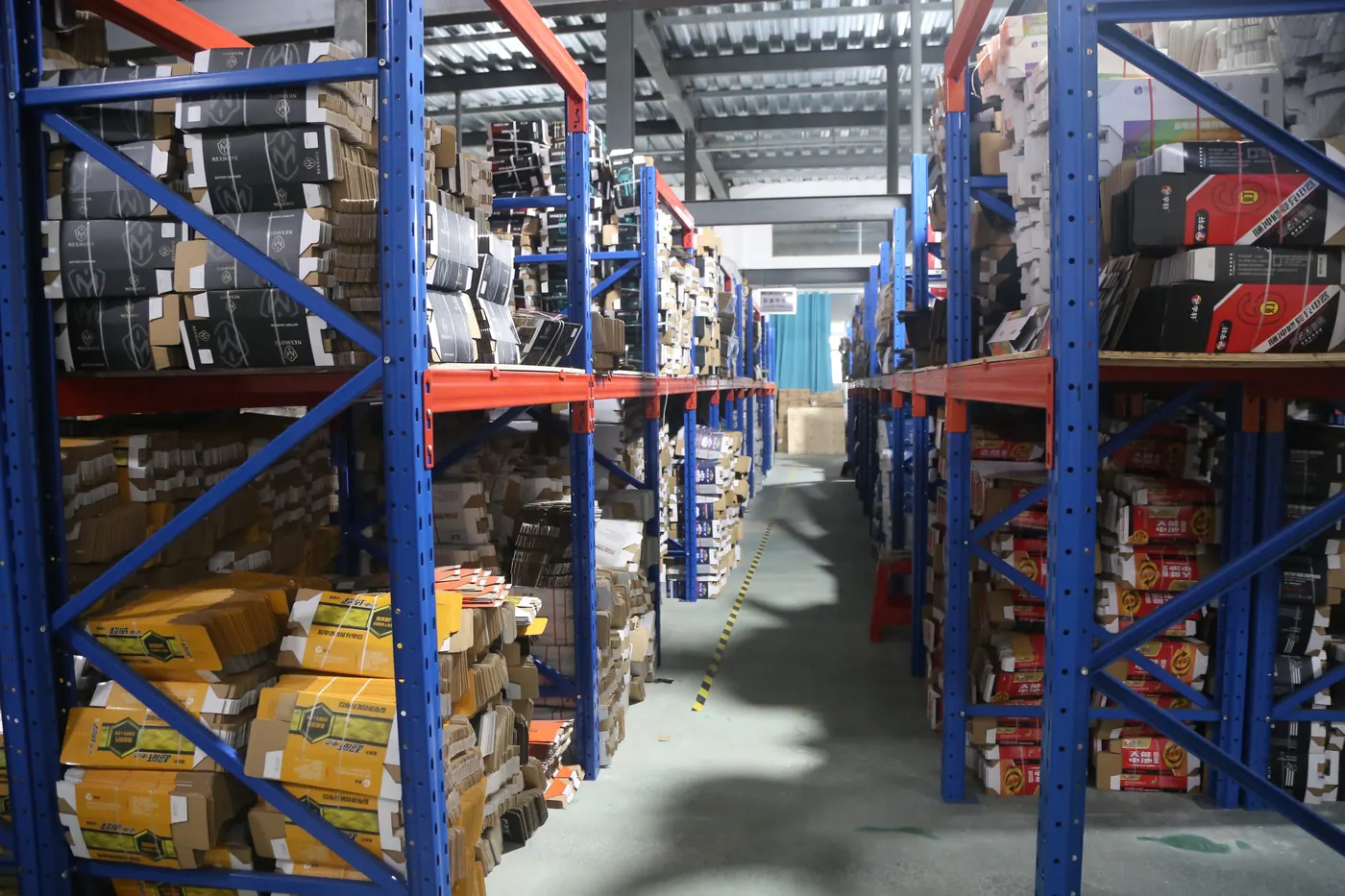
The Linjia quality-control and reliability-testing overview describes checks across materials, in-process production, finished electrical performance, insulation, burn-in and final packing. For an order decision, request the plan applicable to the exact configuration.
Review Changes Before They Reach a Bulk Order
A component shortage, a new connector supplier or a request for a different market plug can arise after sample approval. The practical question is whether the change affects an approved characteristic and which verification must be repeated. Describe the proposed change before accepting it as equivalent.
| Proposed change | Review focus | Evidence before acceptance |
|---|---|---|
| Charging program or electrical design | Battery matching, charging behavior and affected operating limits | Updated revision and evaluation of the affected functions |
| Cable or connector | Pin assignment, polarity, fit and suitability for the approved electrical requirements | Identified replacement parts and relevant interface checks |
| Housing or cooling arrangement | Assembly, heat management and intended operating conditions | Structural review and relevant operating-condition evaluation |
| AC plug or market variant | Input requirements, intended destination and applicable documentation | Approved variant definition and order-specific checks |
| Label or packaging | Rating information, model identity, accessories and shipment configuration | Approved artwork or packing revision and final verification |
Agree who reviews changes, when buyer approval is required and how the effective revision is identified. Where old and new versions overlap, define the affected batches or orders and keep their identities distinguishable. Urgency does not make an undocumented substitution part of the approved sample.
A Manufacturer’s View: Make the Approval Useful on the Line
For a Linjia charger project, the sample and specification should function as a shared reference for development, production and final order checks. The useful manufacturing question is: can an operator or quality inspector determine the required configuration without relying on the engineer who built the sample?
This leads to three practical judgments. First, close temporary sample deviations before treating the configuration as production-ready. Second, make every critical acceptance requirement measurable or clearly inspectable. Third, identify the version delivered in each order so a repeat purchase can reproduce it or deliberately approve a change.
ISO’s quality-assurance guidance distinguishes managing processes to prevent defects from inspecting outputs against requirements. Applied to a charger project, this means the approval handover and the batch checks must work together. Neither a signed sample nor a final test result carries the entire consistency requirement.
Release the Batch Against an Agreed Decision
Before shipment, connect the quantity being released to the approved revision, required inspection results, resolved deviations and packing specification. If a necessary result or approval is missing, keep the affected units on hold until the agreed release conditions are met.
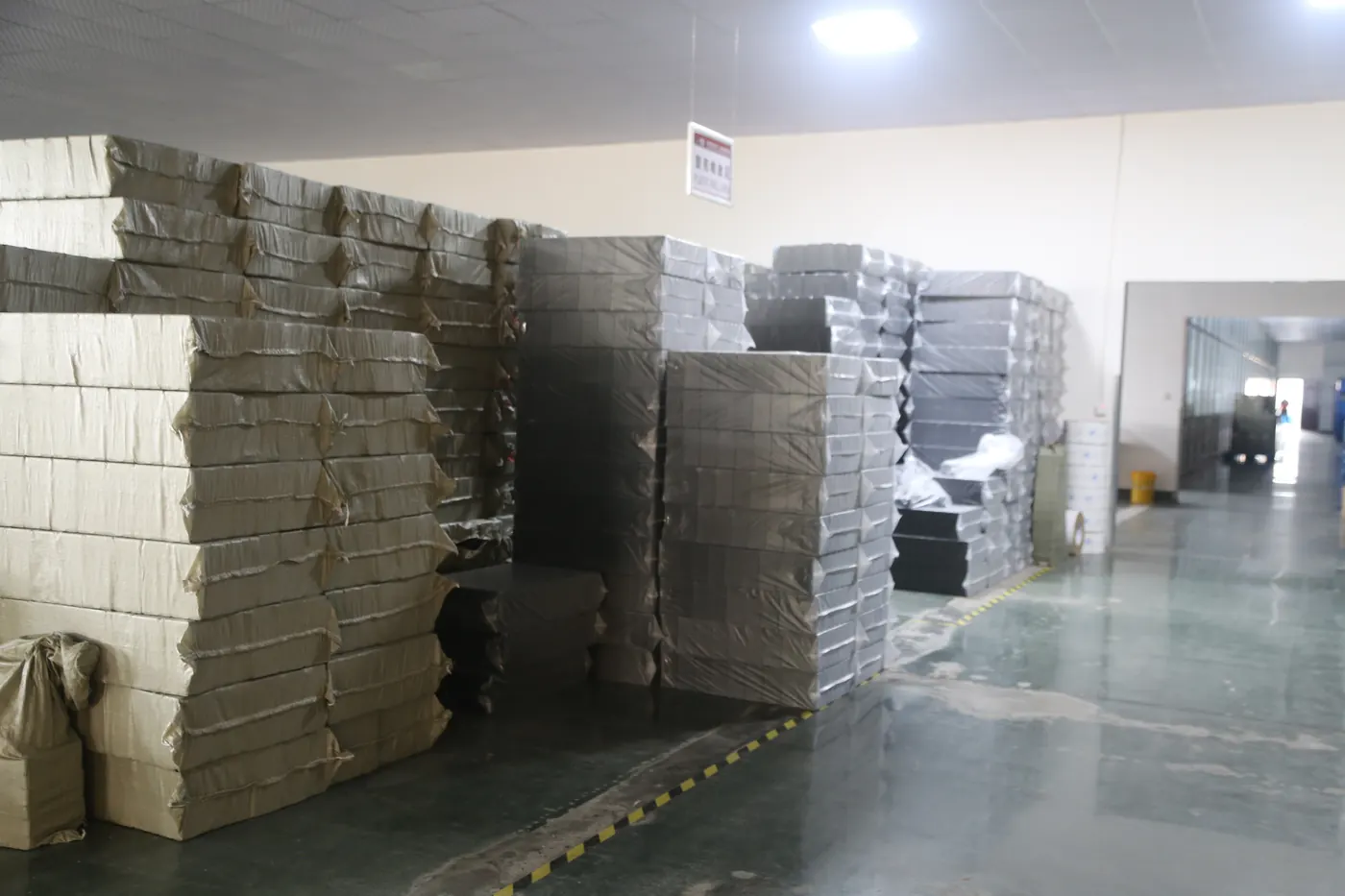
A useful release record answers four questions: which configuration, which batch or order, which required checks, and who authorized release? For repeat orders, reconfirm that the battery, interface, market requirements and specification revision remain applicable. “Same as last time” needs an identifiable reference.
If you also need to assess the supplier’s broader manufacturing system, use the battery charger factory audit checklist. This article focuses on the sample-to-production decision; the audit guide covers evidence across the factory.
Buyer Checklist Before Mass-Production Approval
- Identify the final approved sample and specification revision.
- Confirm the battery, charging requirements, BMS and interface used in evaluation.
- Close temporary sample deviations and document remaining approval conditions.
- Agree the relevant first-run review and routine production inspection plan.
- Record test methods, limits, coverage and failure disposition without assuming universal settings.
- Define change-review responsibilities and any buyer-approval requirements.
- Approve each order variant, label, accessory list and packing configuration.
- Confirm batch identification and the evidence required for shipment release.
Frequently Asked Questions
Does keeping a golden sample remove the need for written specifications?
No. An approved reference unit helps compare appearance and configuration, but it cannot communicate all electrical limits, test methods or evaluation conditions. Identify the reference sample and keep it connected to the written approval record. If it is modified or damaged, review whether it remains a valid reference.
Should buyers repeat every development test on every production unit?
The production plan should define the appropriate checks and coverage. Some design evaluations and routine release checks serve different purposes. Agree the scope with the responsible engineering and quality teams; neither one successfully tested unit nor an unspecified “100% tested” statement defines the plan.
What if the battery supplier changes after the charger sample is approved?
Compare the new battery specification with the approved application, including chemistry, charging requirements, BMS and interface. Review affected compatibility and validation before applying the existing approval. An unchanged nominal voltage label alone is insufficient.
Prepare Your Sample-to-Production Review
Send Linjia Power the battery specification, BMS requirements, charger sample or model, connector and polarity details, AC input and plug, application, operating environment, target quantity and any proposed changes. Ask for the relevant sample-approval process, production flow and test-plan scope. Discuss your charger production requirements with Linjia using these details so the evaluation can focus on the configuration you intend to order.