Menu

International Brands We Collaborate With


EVOLITE logo
Ever great logo
MotoLux logo
AL MOUAZZEN GROUP UNIQA CHARGER logo
Gepard logo
XCHU logo
BONMAD logo
Sabai logo
Wei Sheng logo
LION EV logo

Professional 48V Lithium Battery Charger Supplier in China

48V lithium battery chargers are used with electric two-wheelers, E-rickshaws, battery-powered equipment, and selected energy-storage systems. A nominal 48V rating alone is not enough to select a charger. Battery chemistry, series count, full-charge voltage, capacity, allowable charging current, and BMS requirements must be confirmed together. Linjia reviews these details before recommending a standard model or developing a custom battery charger.

Our catalogue covers eight current options for different battery-capacity ranges: 2A for 10-17Ah packs, 3A for 14-28Ah, 5A for 24-45Ah, 7A for 35-60Ah, 8A for 40-70Ah, 10A for 50-80Ah, 15A for 70-120Ah, and 30A for 150-250Ah. These catalogue models use a DC 54.6±0.2V output configuration. The capacity ranges are selection references; the final current must also comply with the battery manufacturer's charging limit and BMS input specification.

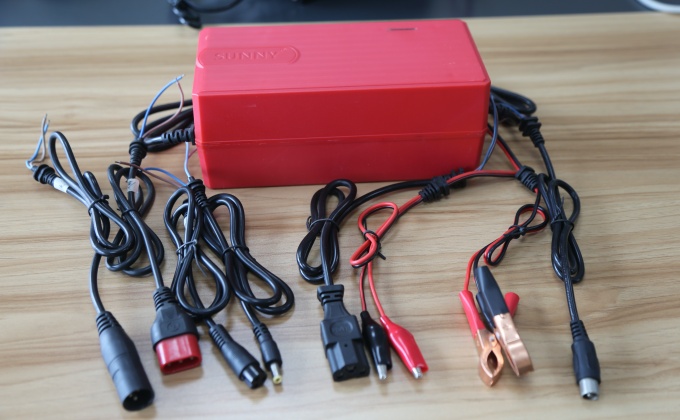
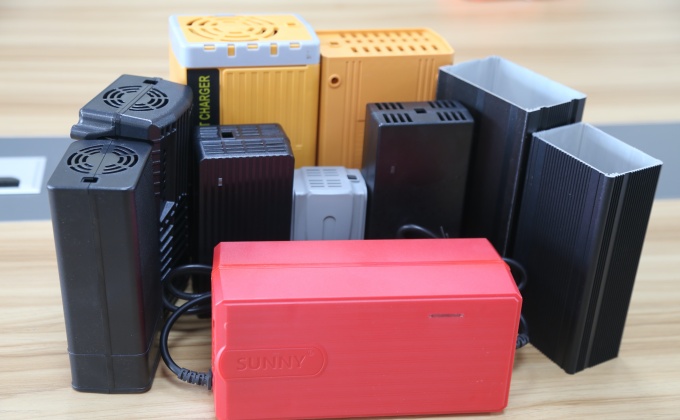
Input options include AC 110V, AC 220V, or AC 110-220V at 50-60Hz. Regional wall plugs, output connectors, cable length, cable rating, polarity, and pin definitions can be configured for the destination market and equipment. Housing and thermal design are selected according to output power, installation conditions, ambient temperature, dust exposure, and expected operating time.

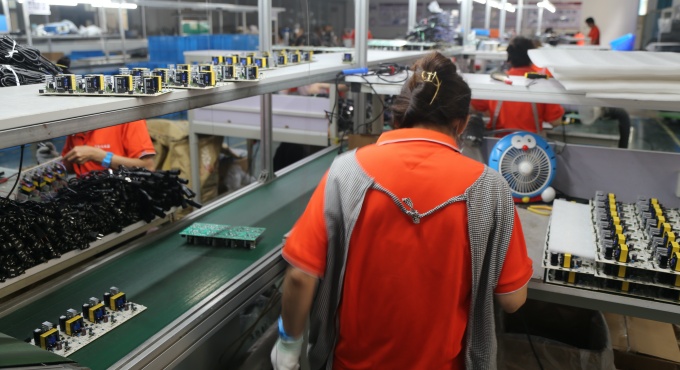
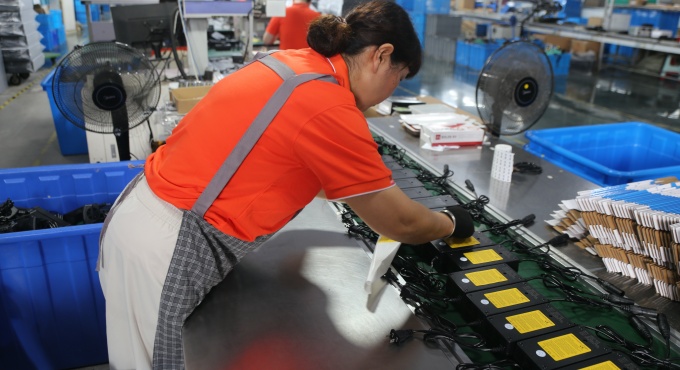
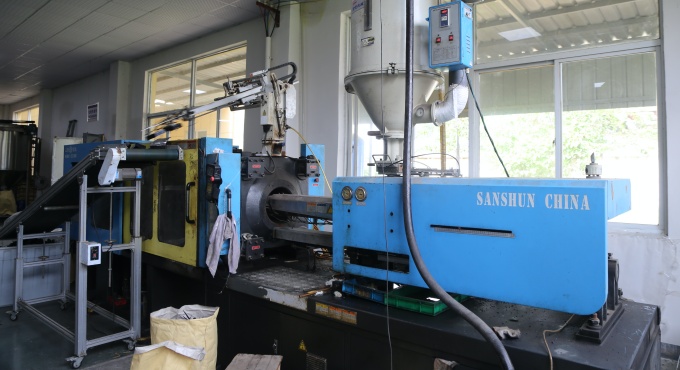
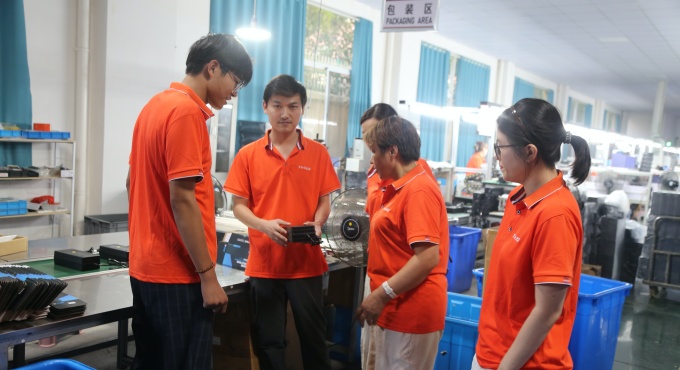
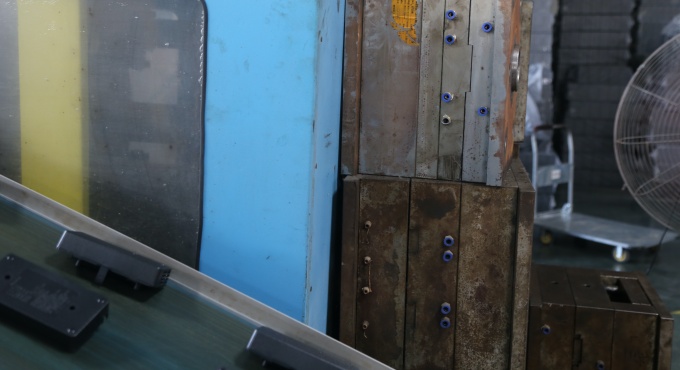
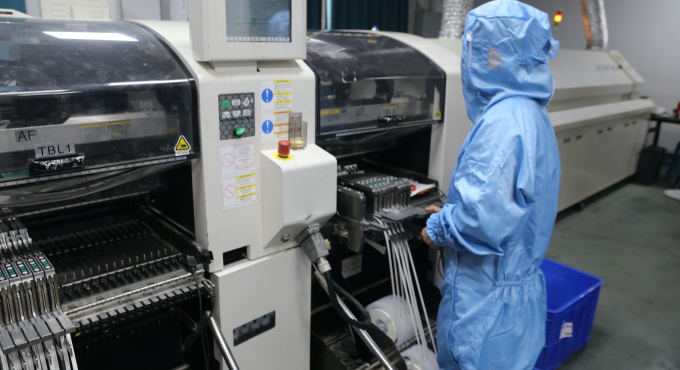
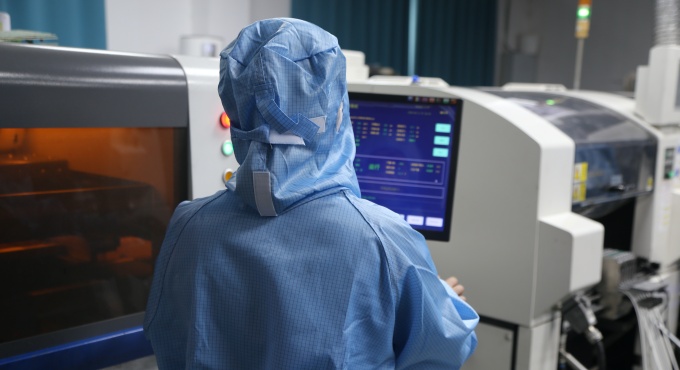
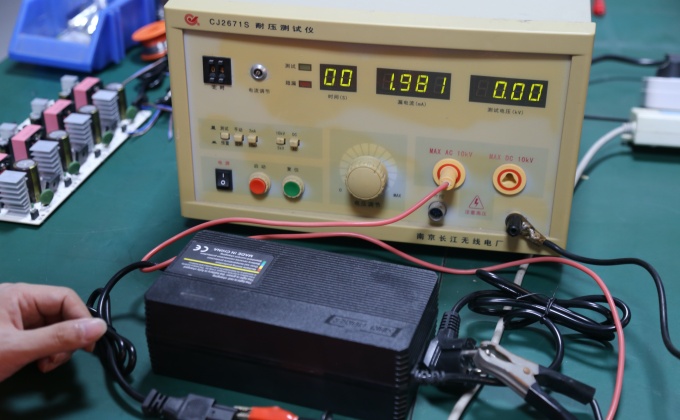
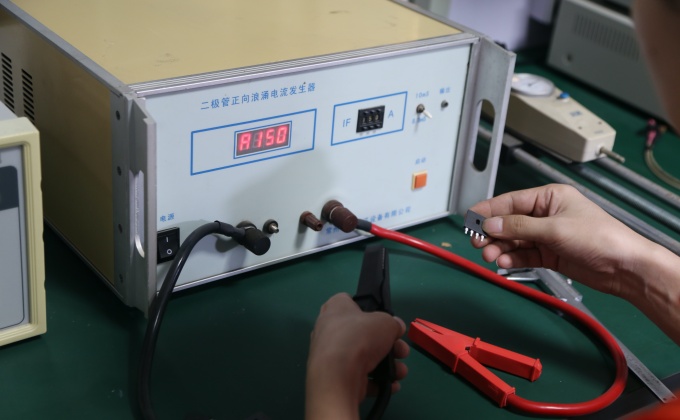
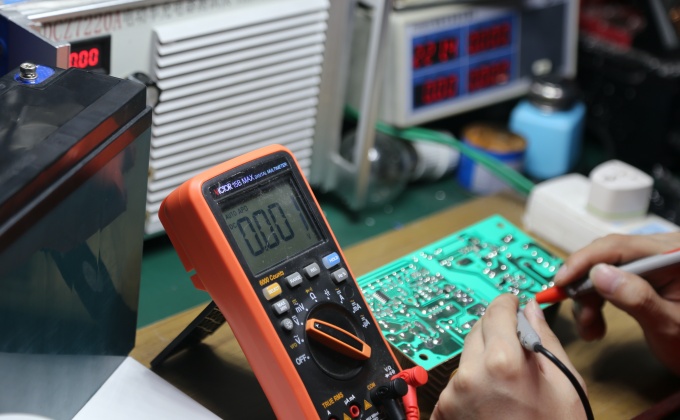
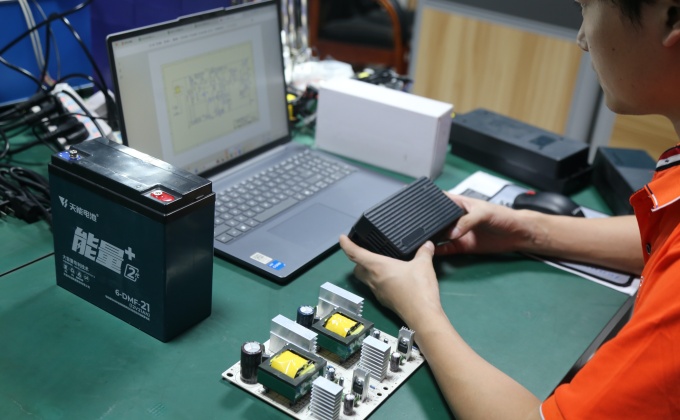
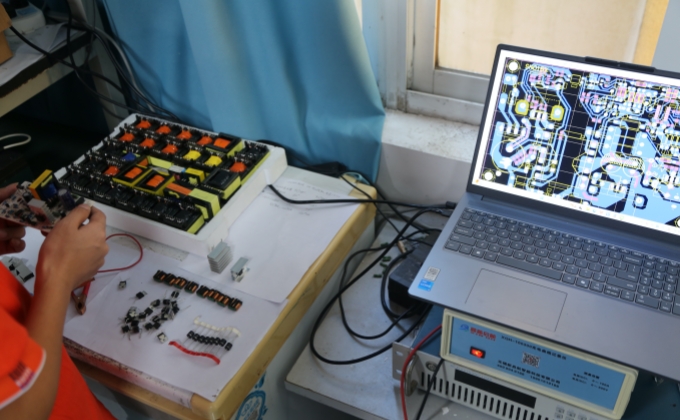
As an OEM and ODM battery charger supplier, Linjia supports specification matching, PCB and charging-profile development, in-house housing moulding and injection, assembly, electrical testing, high-voltage insulation testing, and full-load burn-in. Labels, private model codes, logos, and branded packaging can also be matched to an approved sample.
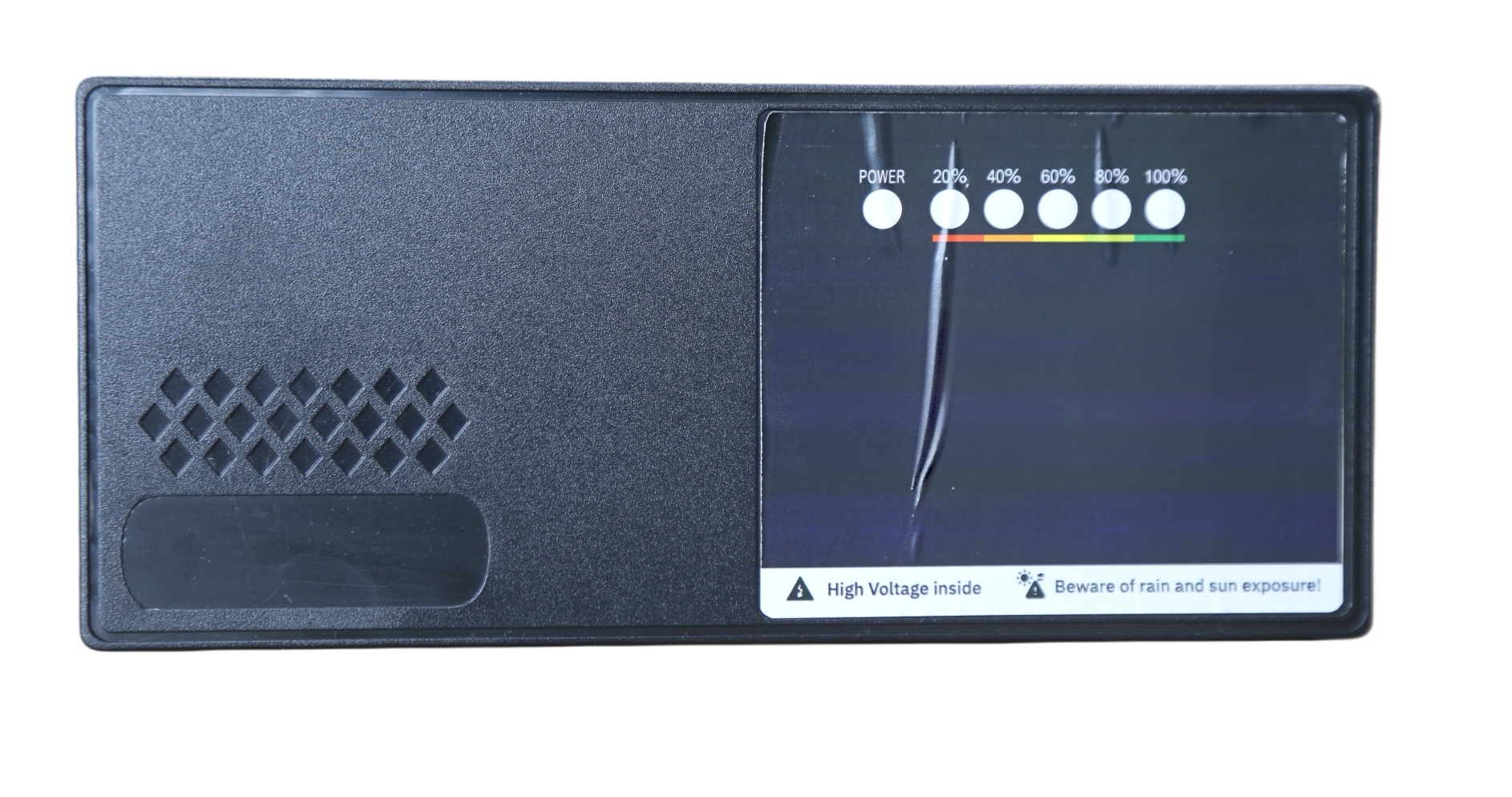
Linjia 48V 2A lithium battery charger for 10-17Ah packs, with OEM connector and polarity matching.

48V 2A Lithium Battery Charger

The Linjia 48V 2A lithium battery charger is listed for 48V 10-17Ah battery packs, with a catalogue output of DC 54.6±0.2V. This lower-current option supports compact battery applications. Battery chemistry, BMS, plug, connector, and polarity are confirmed before OEM production.
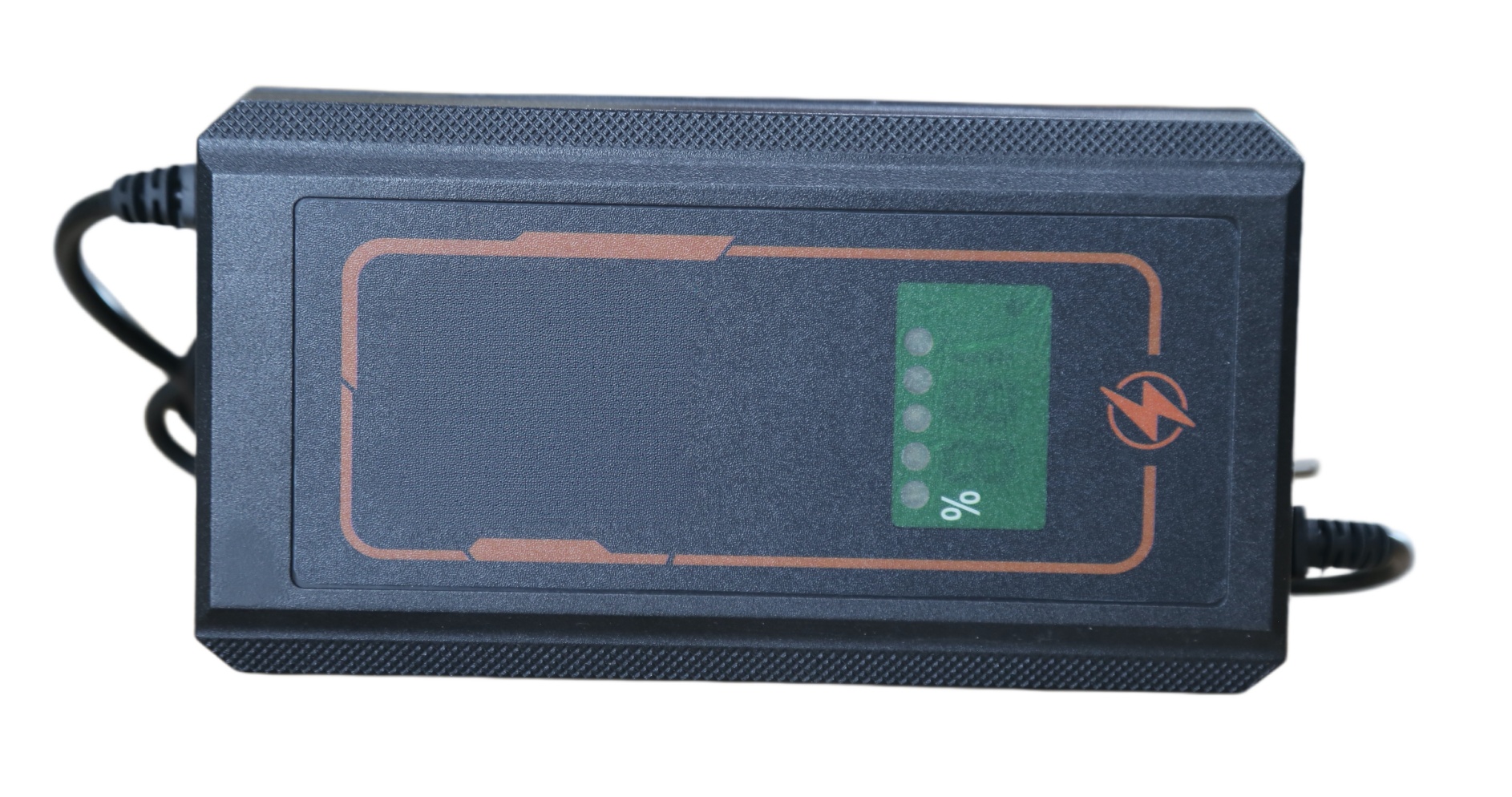
Custom 48V 3A lithium battery charger for 14-28Ah packs, configurable with regional plugs and connectors.

48V 3A Lithium Battery Charger

The Linjia 48V 3A lithium battery charger is designed for the catalogue matching range of 48V 14-28Ah. It provides DC 54.6±0.2V output and a nominal 3A charging current. AC input, regional plug, output connector, cable, label, and packaging can be configured for B2B orders.
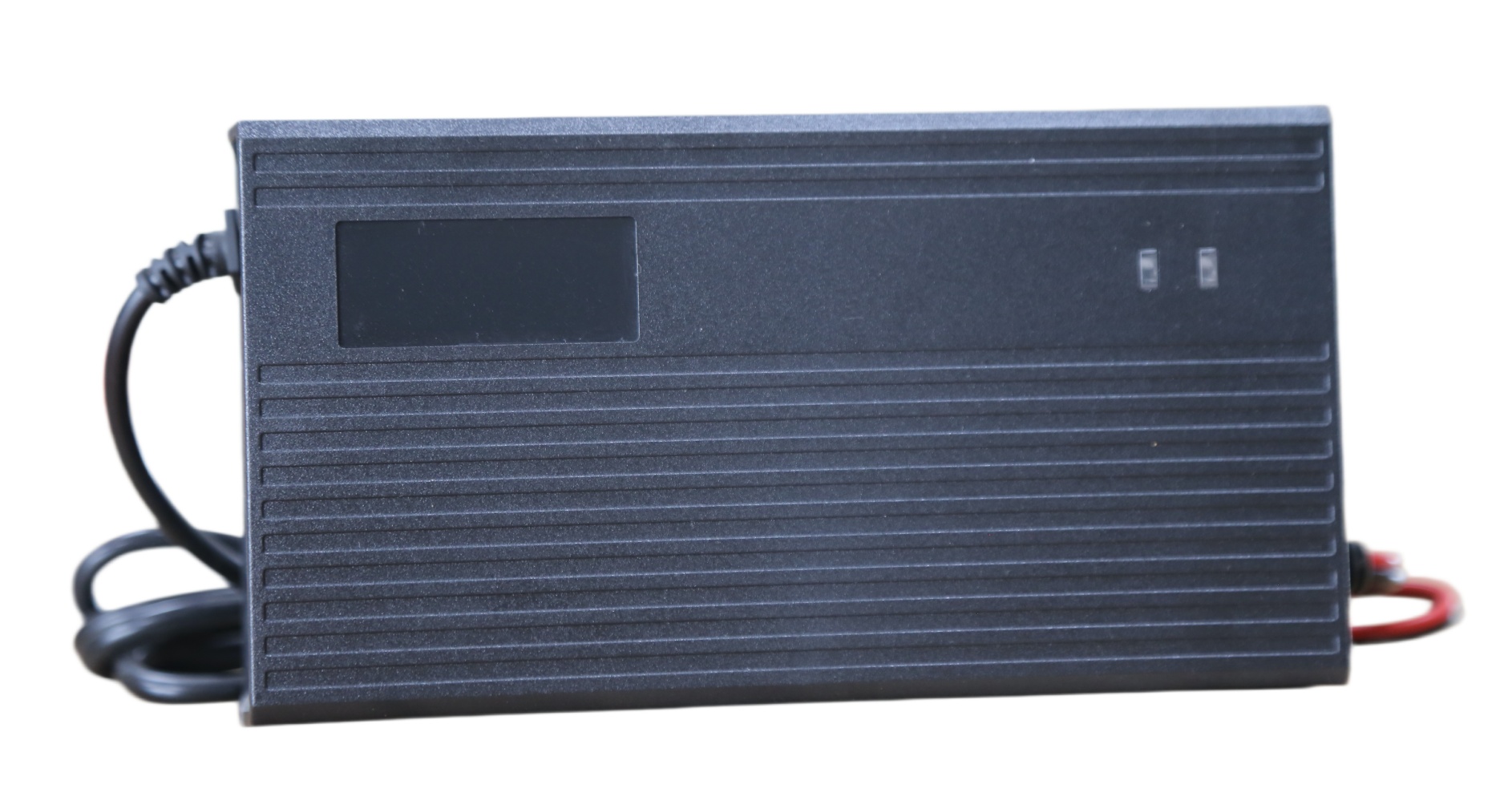
Linjia 48V 5A lithium battery charger for 24-45Ah packs requiring correct current and thermal matching.

48V 5A Lithium Battery Charger

The Linjia 48V 5A lithium battery charger is listed for 48V 24-45Ah packs and uses a DC 54.6±0.2V output configuration. It gives battery brands and equipment suppliers a mid-current option when charging time, battery limits, connector capacity, and thermal conditions are correctly matched.
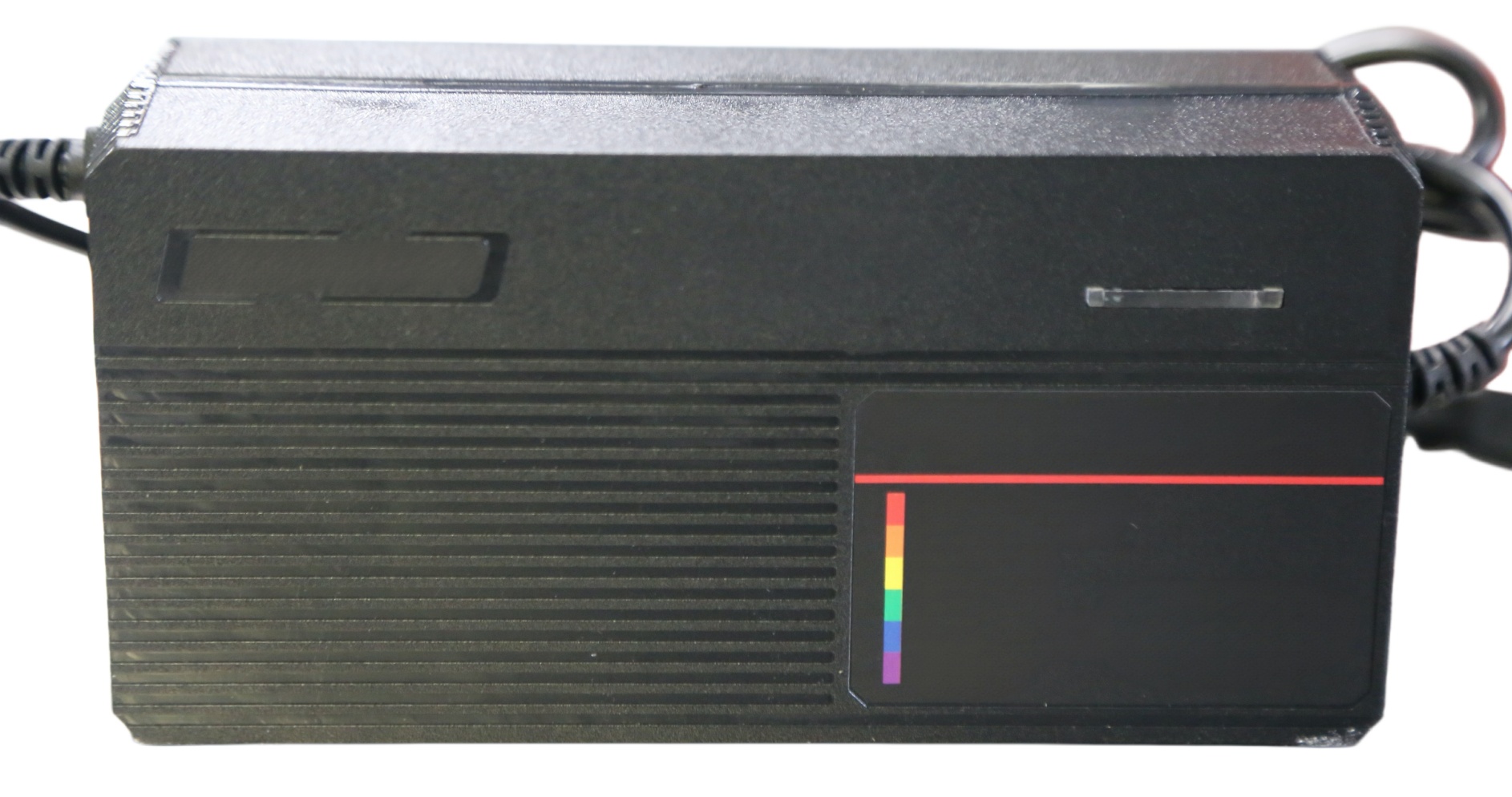
OEM 48V 7A lithium battery charger for 35-60Ah packs, with customizable connector, cable, label, and packaging.

48V 7A Lithium Battery Charger

The Linjia 48V 7A lithium battery charger covers the catalogue matching range of 48V 35-60Ah, with DC 54.6±0.2V output. It can be configured with the required AC input, plug, connector, cable, label, and packaging for OEM or distributor programmes.
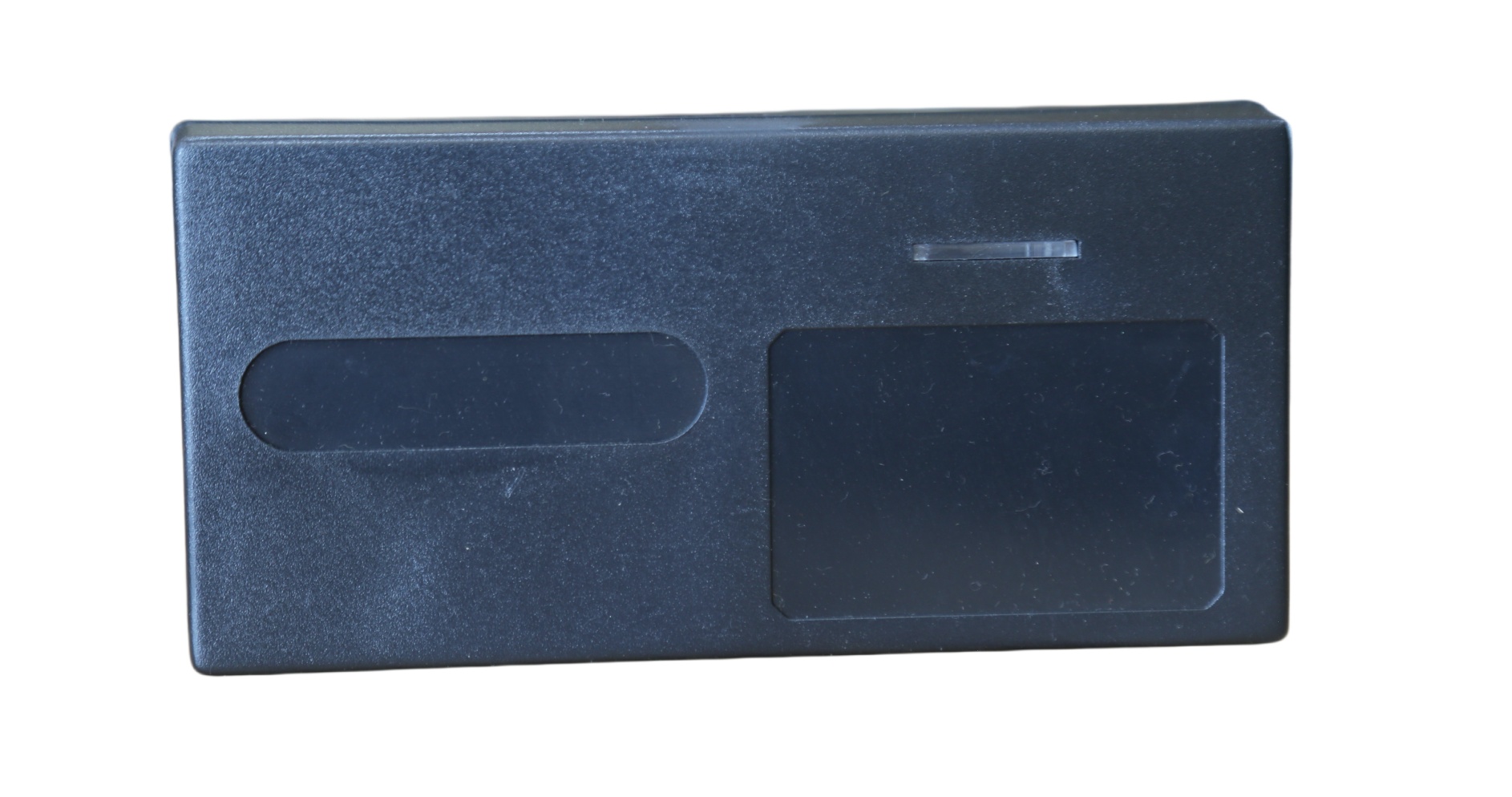
Custom 48V 8A lithium battery charger for 40-70Ah packs, matched to BMS limits, connector rating, and polarity.

48V 8A Lithium Battery Charger

The Linjia 48V 8A lithium battery charger is listed for 48V 40-70Ah battery packs and provides a DC 54.6±0.2V catalogue output. Before production, we verify the battery's charging-current limit, BMS specification, connector rating, polarity, and operating environment.
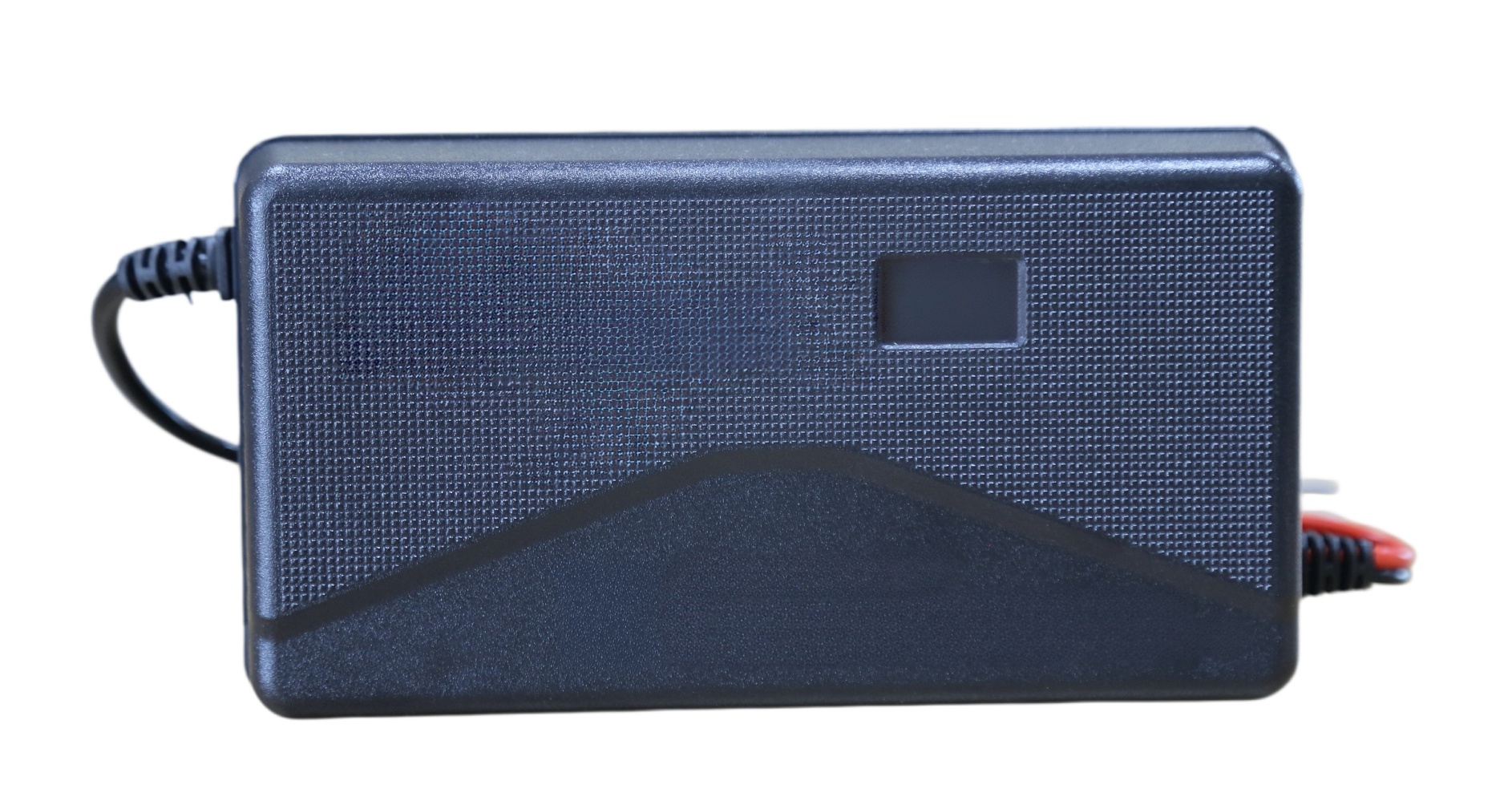
OEM 48V 10A lithium battery charger for 50-80Ah packs, with cable, connector, cooling, and BMS checks.

48V 10A Lithium Battery Charger

The Linjia 48V 10A lithium battery charger is matched in the catalogue to 48V 50-80Ah packs, with DC 54.6±0.2V output. For this higher-current model, cable size, connector capacity, heat dissipation, AC input, and BMS acceptance are confirmed before batch production.
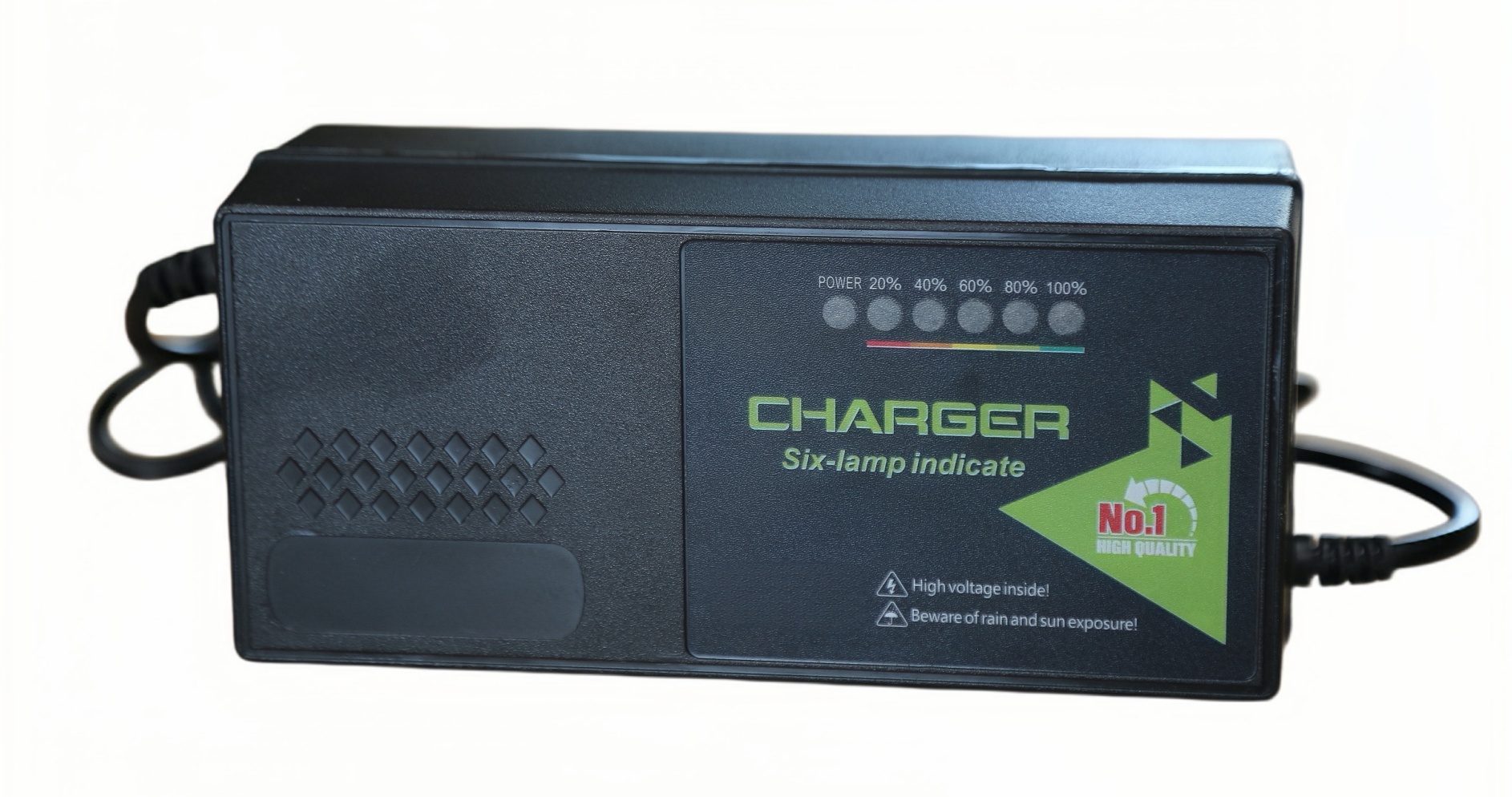
Linjia 48V 15A lithium battery charger for 70-120Ah vehicle and equipment projects requiring cooling evaluation.

48V 15A Lithium Battery Charger

The Linjia 48V 15A lithium battery charger is listed for 48V 70-120Ah battery packs and uses a DC 54.6±0.2V output configuration. It supports higher-capacity vehicle and equipment projects where the BMS limit, connector, cable rating, cooling, and charging time are jointly evaluated.
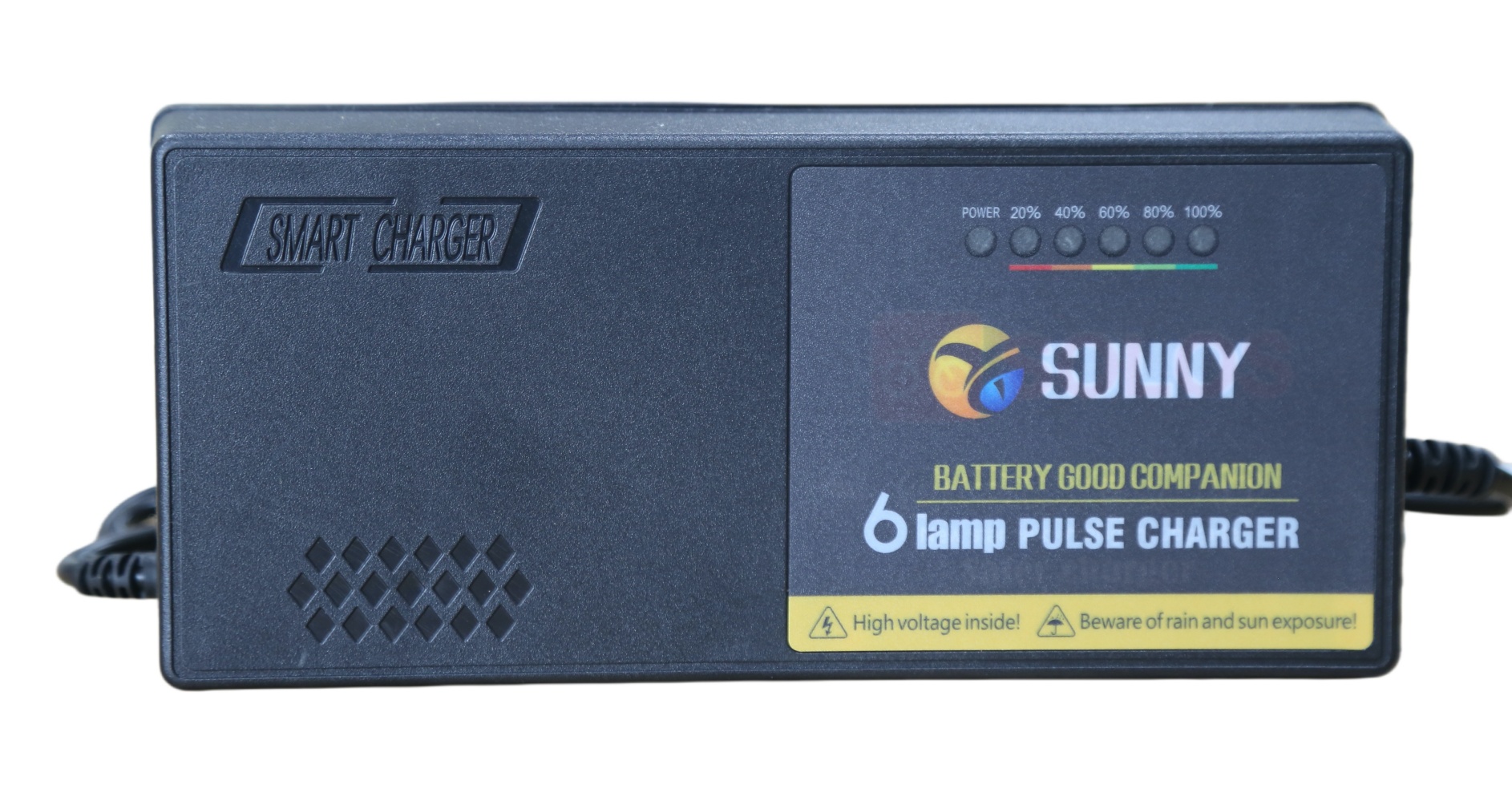
Linjia 48V 30A OEM lithium battery charger for 150-250Ah packs requiring BMS, cable, and thermal approval.

48V 30A Lithium Battery Charger

The Linjia 48V 30A lithium battery charger is the high-current option listed for 48V 150-250Ah battery packs, with DC 54.6±0.2V output. Battery acceptance current, BMS settings, connector and cable ratings, thermal design, and installation conditions must be approved before OEM production.
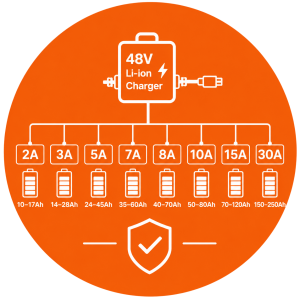
Linjia 48V lithium battery charger supplier offers eight current options matched to defined capacity ranges.

Model-Specific Current Matching

Eight current options from 2A to 30A are assigned to defined capacity ranges, helping buyers reduce incorrect 48V lithium charger selection.
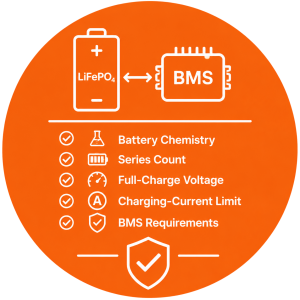
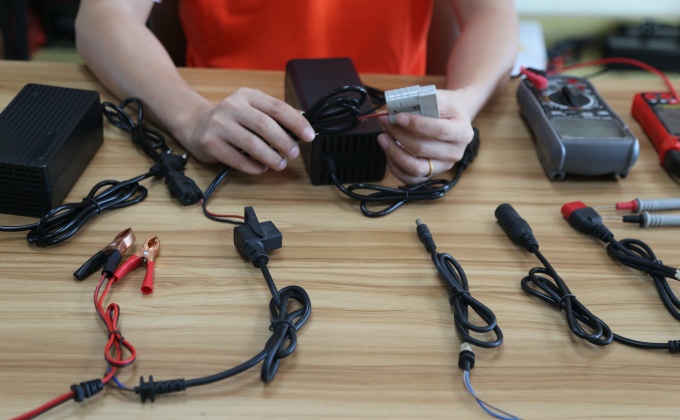
Custom 48V lithium charger specification checked against battery chemistry, full-charge voltage, and BMS limits.

Battery and BMS Confirmation

Battery chemistry, series count, full-charge voltage, charging-current limit, and BMS requirements are checked before the charger specification is approved.
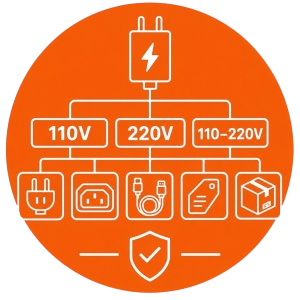
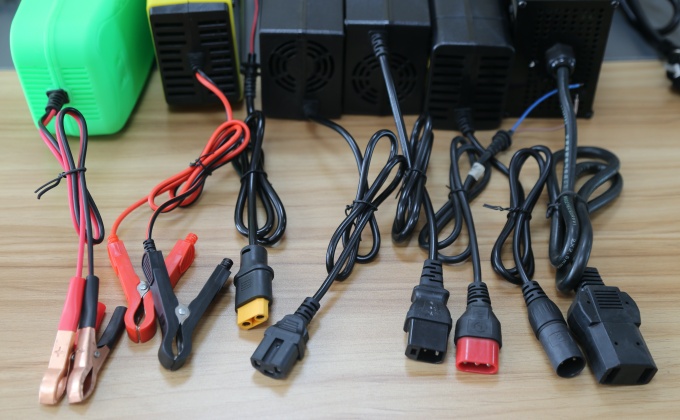
Custom 48V lithium battery charger with market-specific AC input, plug, connector, cable, label, and packaging.

Market-Specific Configuration

AC 110V, AC 220V, or AC 110-220V input can be combined with regional plugs, connectors, cables, labels, and packaging.
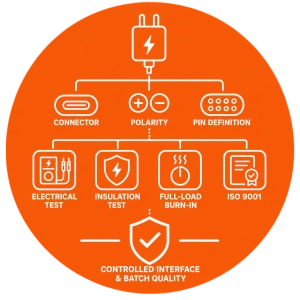
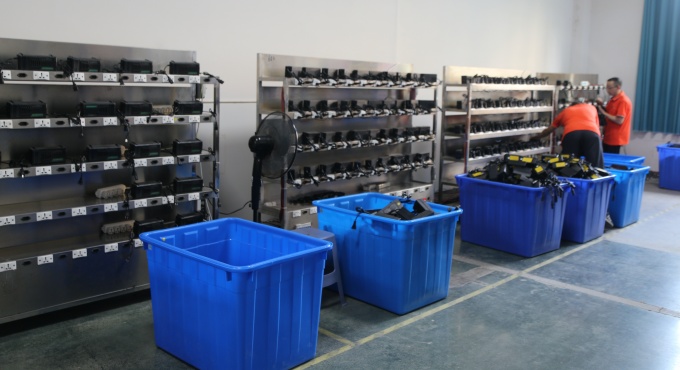
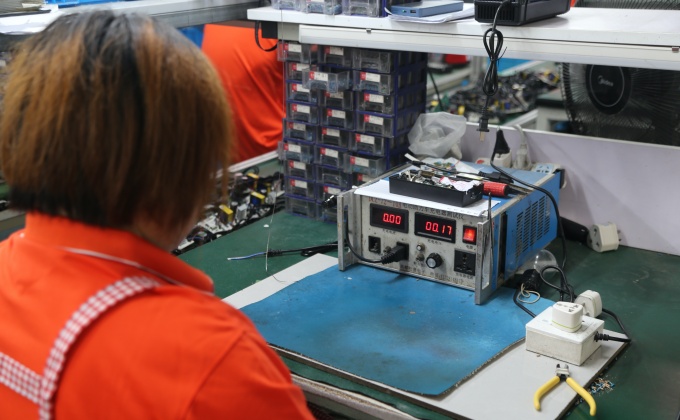
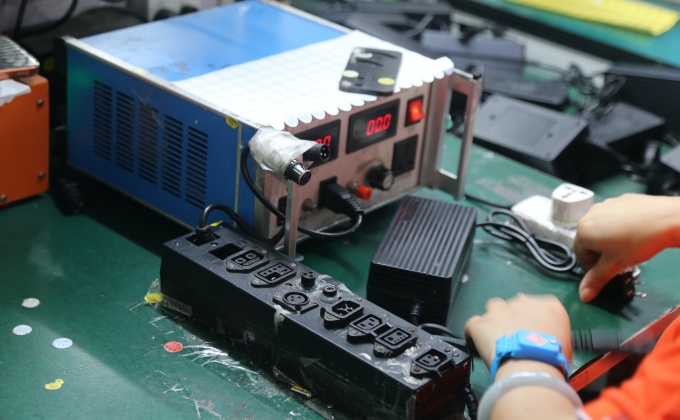
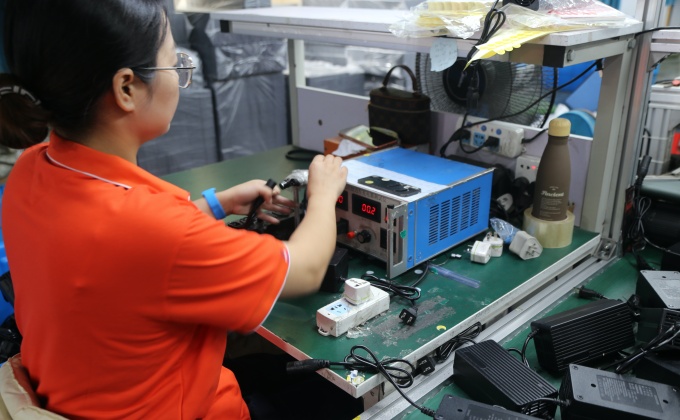
OEM 48V lithium battery charger undergoing electrical, insulation, and full-load burn-in checks before batch production.

Controlled Interface and Batch Quality

Connector, polarity, and pin definitions are confirmed before production, followed by electrical, insulation, and full-load burn-in checks under ISO 9001 procedures.

How Correct 48V Lithium Charger Matching Reduces After-Sales Risk

A correctly matched 48V lithium battery charger supplies the full-charge voltage, current, and charging profile required by the actual battery pack. Confirming chemistry, series count, capacity, BMS limit, connector, polarity, cable rating, ambient temperature, and operating time before production helps buyers avoid slow charging, excess heat, BMS shutdown, interface errors, damaged connectors, and preventable field returns.

Battery charger specification matching for voltage, charging current, connector and AC input
Custom battery charger configuration for plugs, connectors, cables, labels and packaging

Configuration Options for Different Markets and Channels

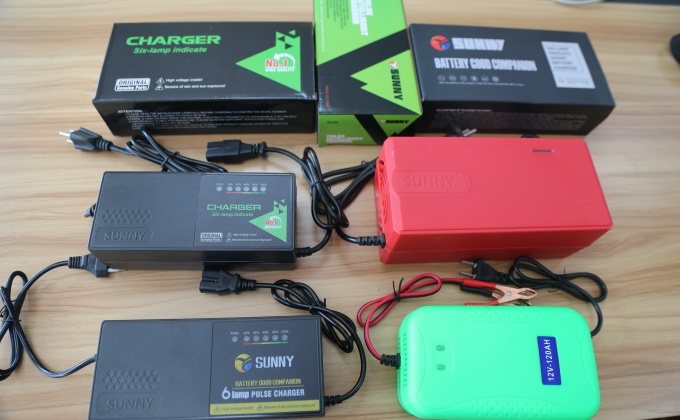
Different markets and sales channels may require fixed or wide AC input, a regional wall plug, a specific output connector, different cable lengths, local-language labels, private model codes, or branded packaging. Linjia supports OEM battery charger configuration so vehicle manufacturers, battery brands, importers, wholesalers, and distributors can keep approved specifications consistent across their product range.

Configuration is confirmed around the actual battery, equipment interface, destination market, and approved sample. This helps buyers keep plugs, connectors, cables, labels, and packaging aligned with their channel requirements.

Batch Stability Through Integrated Factory Control

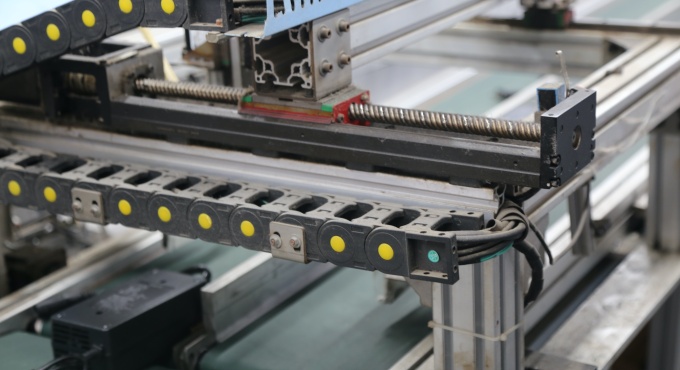
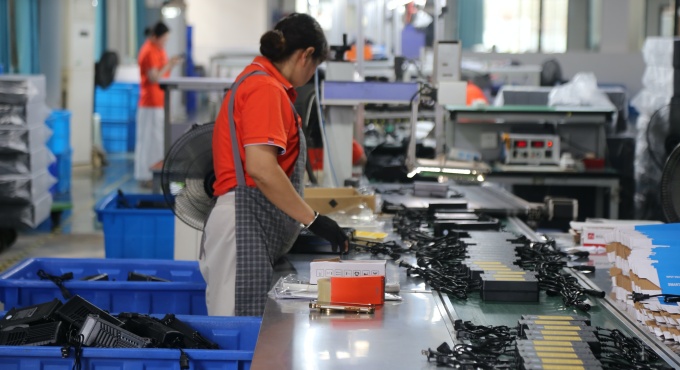
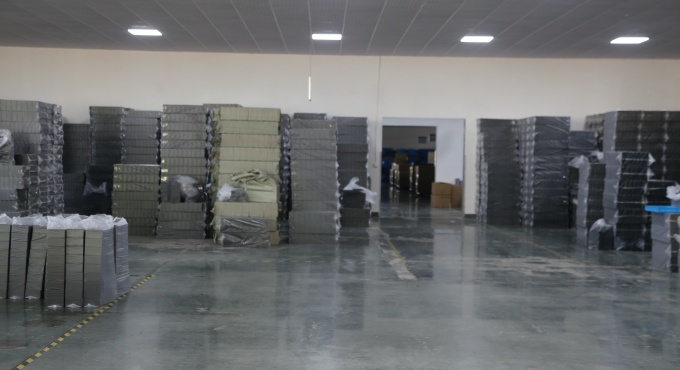
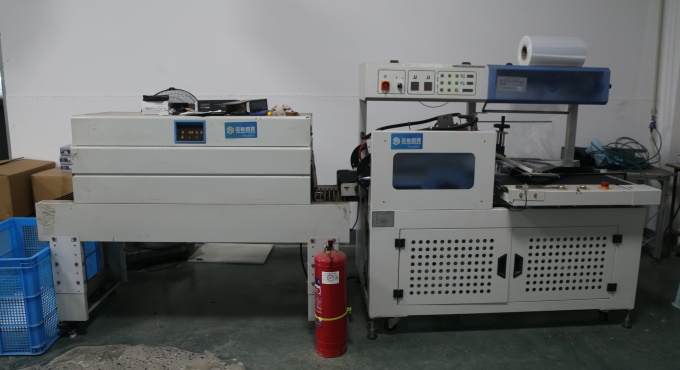
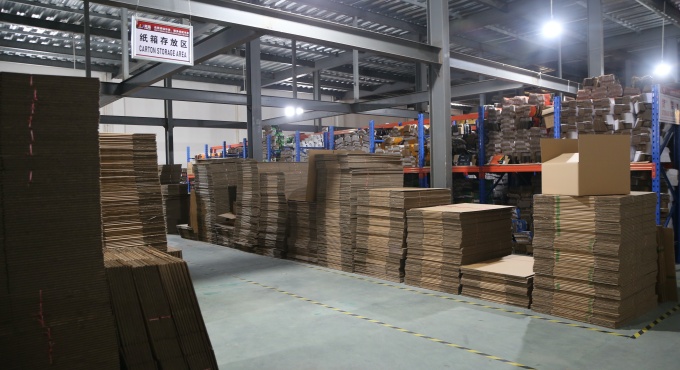
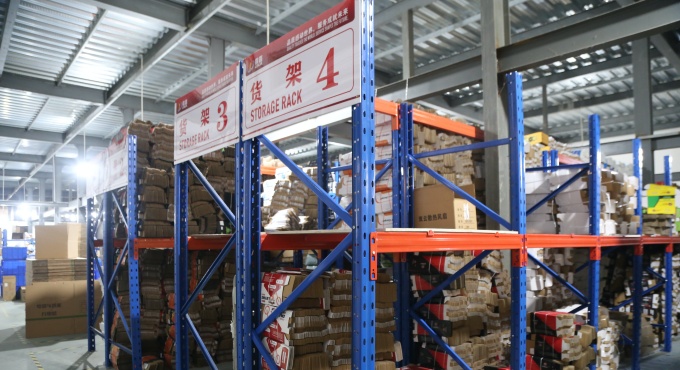
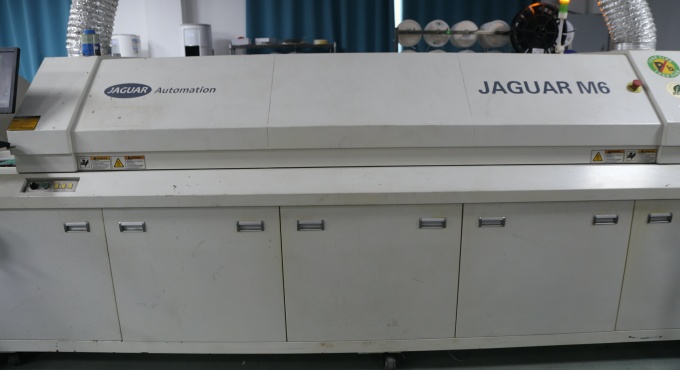
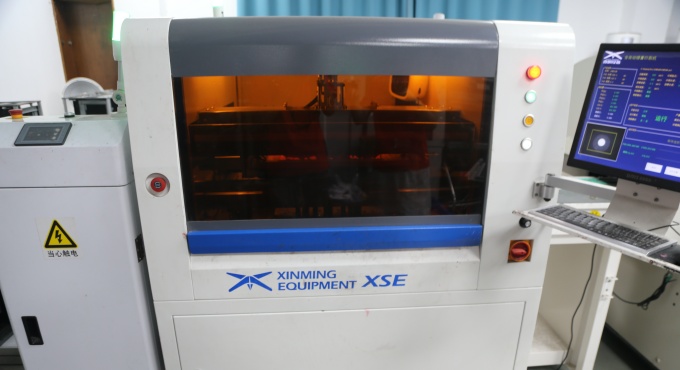
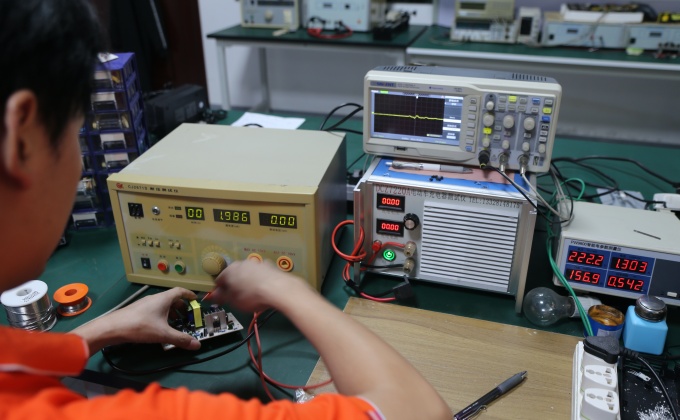
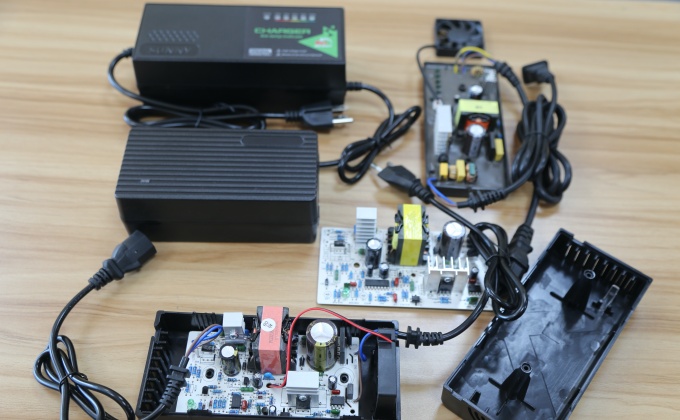
Linjia controls PCB production, in-house housing injection moulding, assembly, electrical testing, high-voltage insulation testing, and full-load burn-in within its manufacturing system. Approved specifications, battery and connector samples, labels, and packaging references are used to control production, helping reduce variation between the confirmed sample and mass-produced 48V lithium battery chargers.
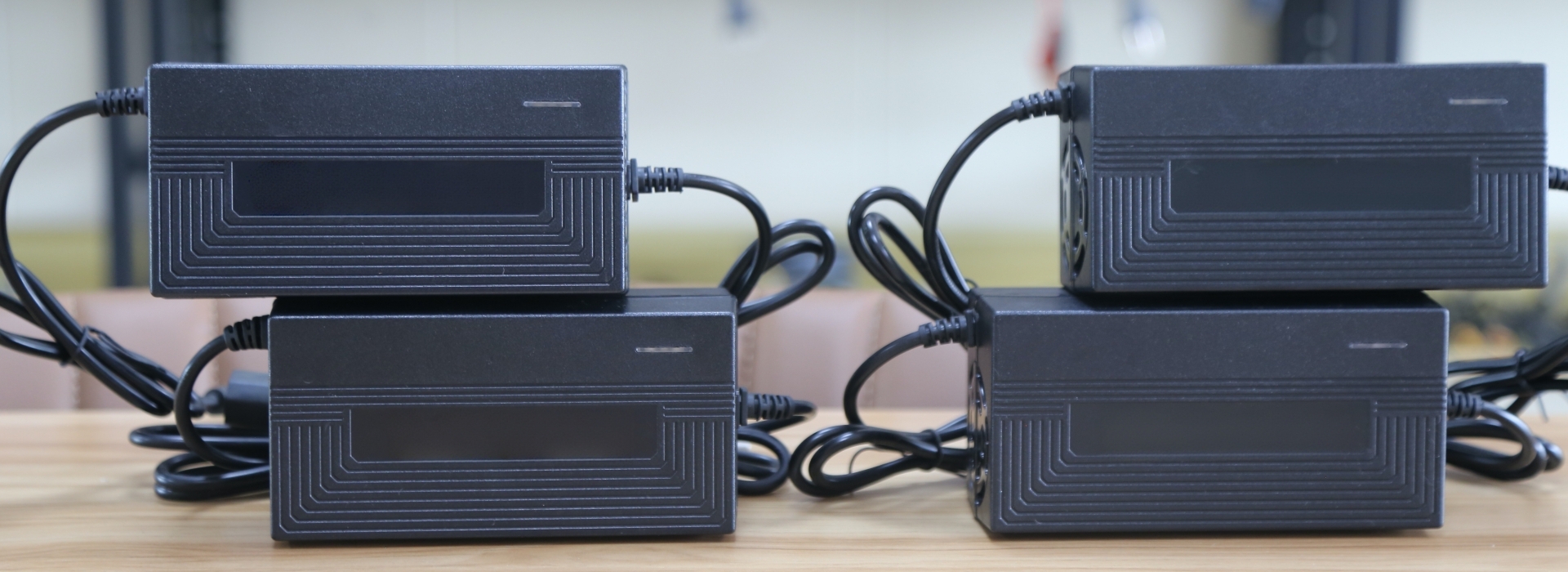
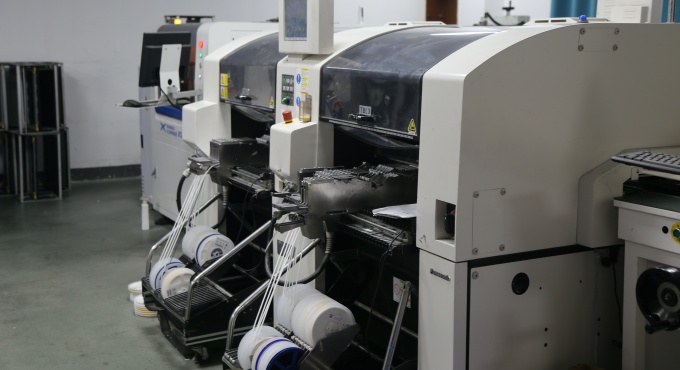
Battery charger factory quality testing for electrical performance and production consistency

Frequently Asked Questions About 48V Lithium Battery Chargers

What Are the Main Differences Between a 48V Lithium Battery Charger and a 48V Lead-Acid Battery Charger?

A 48V lithium battery charger and a 48V lead-acid battery charger may share the same nominal voltage label, but they use different charging voltages, charging profiles, and termination logic. Lithium packs also depend on their cell chemistry, series count, and BMS limits.

The lithium models on this page are listed with a DC 54.6±0.2V output configuration. A charger should never be selected or substituted only because both products are marked 48V.

In Which Applications Are 48V Lithium Battery Chargers Commonly Used?

48V lithium battery chargers are commonly used with electric bicycles, electric scooters, electric two-wheelers, E-rickshaws, selected small energy-storage systems, and other battery-powered equipment. The correct model depends on the actual battery rather than the equipment name alone.

Installation space, connector, cable routing, charging environment, daily charging frequency, and expected charging time should be reviewed together with the battery specification.

Can a 48V Lithium Battery Charger Be Customized for a Project or Brand?

Yes. Linjia supports OEM and ODM battery charger projects based on battery chemistry, series count, nominal voltage, full-charge voltage, capacity, charging-current limit, BMS requirements, equipment interface, operating environment, and destination market.

Customization can cover the charging current, charging profile, AC input, wall plug, output connector, polarity, pin definition, cable length and rating, housing, label, private model code, logo, and packaging.

What Current Ratings and Battery-Capacity Ranges Are Available?

The catalogue lists eight current options for this 48V lithium charger series: 2A for 10-17Ah packs, 3A for 14-28Ah, 5A for 24-45Ah, 7A for 35-60Ah, 8A for 40-70Ah, 10A for 50-80Ah, 15A for 70-120Ah, and 30A for 150-250Ah.

These ranges are model-selection references, not universal battery rules. The final current must remain within the battery manufacturer's recommended charging rate and the BMS charge-current limit.

What Charger Structures and Cooling Methods Are Available?

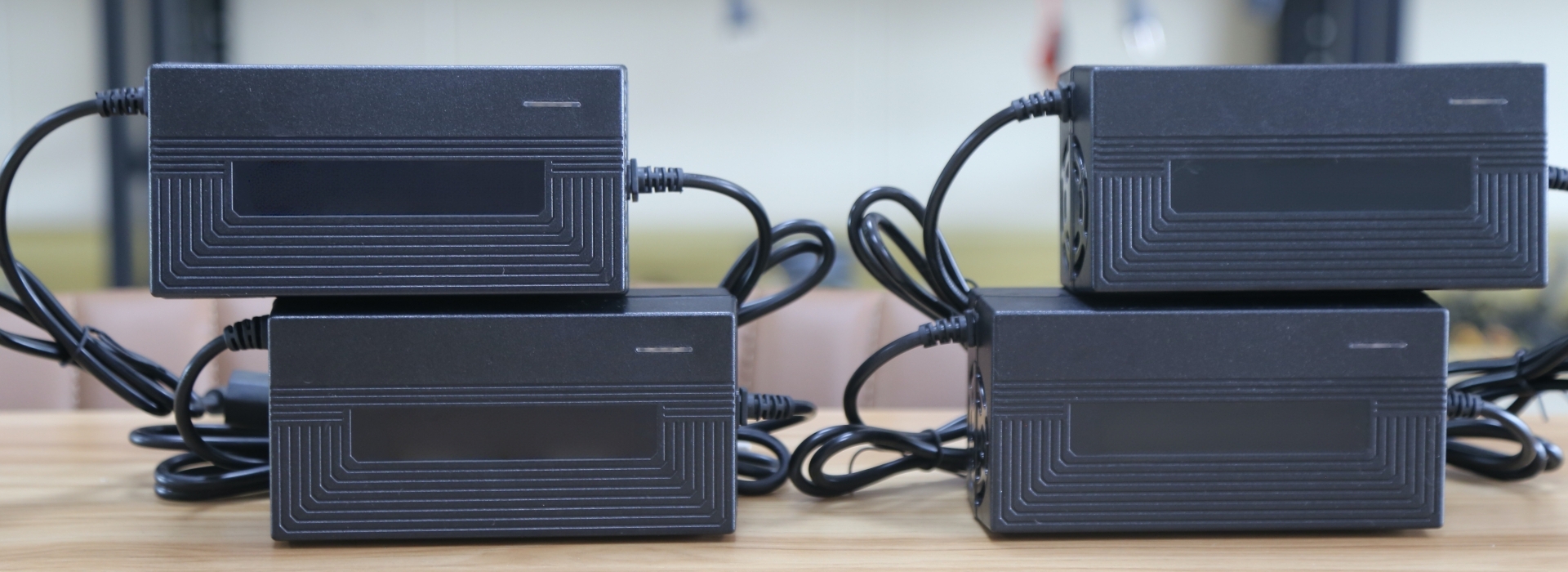
Lower-current chargers can use compact enclosed housings, while higher-current units require more internal space, larger heat-dissipation surfaces, suitable fan cooling or other thermal measures, and higher-rated cables and connectors.
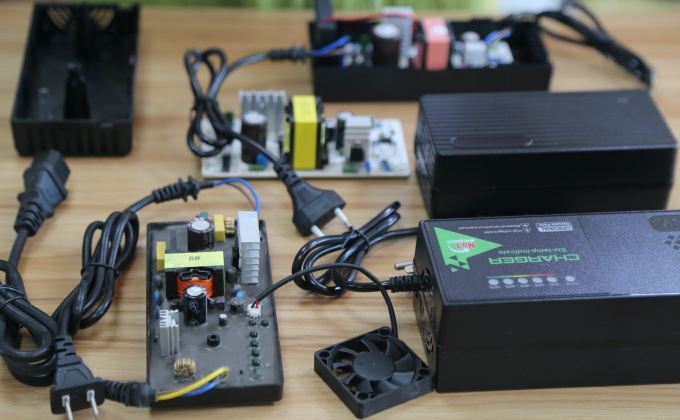
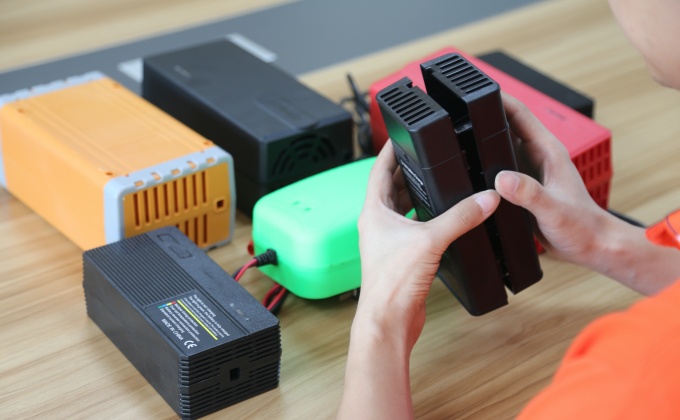
Linjia can support standard enclosed chargers, fan-cooled or naturally cooled configurations, potted models for projects requiring greater environmental protection, and open-board or semi-finished solutions for approved local-assembly projects.
Which Lithium Battery Chemistries and Full-Charge Voltages Are Supported?

The term 48V can describe different lithium battery systems. A 13-series lithium-ion pack is commonly charged to 54.6V, while a 16-series LiFePO4 pack commonly requires 58.4V. The correct value must always come from the battery manufacturer's specification and be compatible with the BMS.
The catalogue models on this page are listed at DC 54.6±0.2V. A battery requiring 58.4V or another charging voltage needs an approved specification change.

What AC Input Configurations Are Available for Different Markets?

The catalogue provides AC 110V, AC 220V, or AC 110-220V input options at 50-60Hz. A fixed-input version may suit a controlled market, while a wide-input configuration can simplify inventory for buyers supplying several countries or regions.

What Output Connectors and Cables Can Be Matched?

Output connectors can be matched by physical sample, clear photo, dimensional drawing, or approved part number. Polarity, pin definition, keying direction, contact current capacity, cable length, and conductor rating must be checked together.

How Does the Battery Management System Affect Charger Selection?

The BMS defines important limits including maximum charging voltage, accepted charging current, overvoltage response, temperature cut-off, and sometimes wake-up or communication behaviour. If the charger current is above the BMS limit, charging may be interrupted or operate unreliably.

What Protection Functions Can Be Provided?

The 48V lithium series can be configured with overvoltage, overcurrent, short-circuit, reverse-connection, timing, and over-temperature protections according to the approved circuit solution and model. Required protections, trigger conditions, recovery behaviour, and interaction with the BMS should be confirmed before production.

How Is Batch Stability Controlled from Sample to Mass Production?

Approved electrical specifications, battery information, connector samples, polarity and pin definitions, label artwork, and packaging references are used as production-control documents. Quality procedures include incoming-material inspection, semi-finished testing, finished-product electrical testing, high-voltage insulation testing, and full-load burn-in.

How Should a 48V Lithium Battery Charger Be Used and Maintained?

Use the charger only with the approved battery chemistry, series count, voltage, BMS, connector, and polarity. Keep ventilation openings clear, avoid covering the charger during operation, and do not use damaged cables, loose connectors, or a damaged housing.

Get an Instant Quote Now

SEND YOUR PROJECT DETAIL

We're Here to Answer All Your Questions

What Is Your Typical Production Lead Time?

Lead time depends on quantity and customization. Repeat models are usually faster, while new charging profiles, connectors, housings, or ODM work require more time. The schedule is confirmed after technical review.

Do You Supply Plugs, Output Connectors, and Cables with the Chargers?

Yes. We configure regional AC plugs, output connectors, cable length, and cable rating after the sample, polarity, pin definition, and current capacity are approved.

Can You Configure Chargers for Our Local Grid and Market Requirements?

Yes. Input voltage, frequency, plug, labels, packaging, and selected protections can be matched. Certification or testing support is confirmed by model and destination market.

Do You Support OEM, ODM, or Private-Label Orders?

Yes. OEM and ODM options include charging specifications, plugs, connectors, cables, housings, labels, logos, private model codes, manuals, packaging, and eligible new-product development.

What Are Your Payment Terms?

Payment method, deposit, balance timing, currency, and trade terms are confirmed in the formal quotation or proforma invoice for each project.