Frequently Asked Questions About 24V Lead-Acid Battery Chargers
What Are the Main Differences Between the 24V12Ah and 24V20Ah Lead-Acid Battery Chargers?
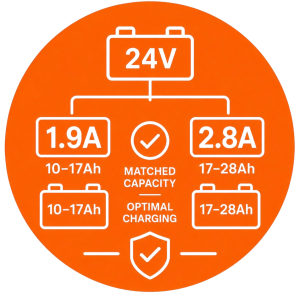
The main difference is the recommended battery-capacity range and rated charging current. The 24V12Ah model is intended for selected 24V 10-17Ah battery packs and has a rated output current of DC1.9A +/-0.2A. The 24V20Ah model is intended for selected 24V 17-28Ah battery packs and has a rated output current of DC2.8A +/-0.2A.
Both models use the same DC24-29.6V output-voltage range in the product specification. For OEM, wholesale, or vehicle projects, the final selection should be confirmed against the battery manufacturer's charging requirements rather than choosing the higher-current model by default.
In Which Applications Are 24V Lead-Acid Battery Chargers Usually Used?
24V lead-acid battery chargers are used with battery-powered equipment built around compatible 24V lead-acid battery packs. Depending on the battery capacity and system design, they may be used in selected electric mobility products, utility equipment, small battery-powered devices, and other applications requiring a dedicated 24V charging solution.
For B2B buyers, the key point is to confirm battery chemistry, nominal voltage, capacity in Ah, required charging current, connector, polarity, and local AC input before ordering. This prevents a charger that looks correct by voltage from being unsuitable for the actual battery pack or equipment.
Does the 24V Lead-Acid Battery Charger Support Customization for Project or Brand Requirements?
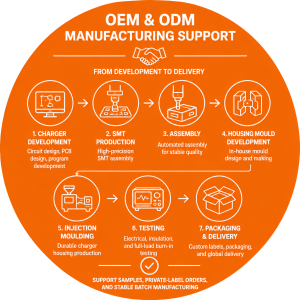
Yes. Linjia supports OEM and ODM battery charger customization. Standard project options can include charging current, AC input, input plug, output connector, cable, label, logo, and packaging. For deeper ODM projects, Linjia can also evaluate charging-profile requirements, circuit development, structural design, housing development, and private moulds.
Customization should begin with the battery and application rather than appearance alone. Providing the battery type, nominal voltage, capacity, required charging current or battery specification, connector details, local mains voltage, and target market allows the engineering team to evaluate the correct configuration more efficiently.
What Battery Capacities Are Recommended for the 24V12Ah and 24V20Ah Models?
According to the product specification, the 24V12Ah charger is matched to selected 24V 10-17Ah lead-acid battery packs. Its rated charging current is DC1.9A +/-0.2A.
The 24V20Ah charger is matched to selected 24V 17-28Ah lead-acid battery packs. Its rated charging current is DC2.8A +/-0.2A.
These ranges should be treated as the product's recommended matching range, not as a substitute for the battery manufacturer's charging specification. For new projects or unfamiliar battery packs, Linjia recommends confirming the battery parameters before mass production.
What Charger Structures Can Linjia Support for Different 24V Projects?
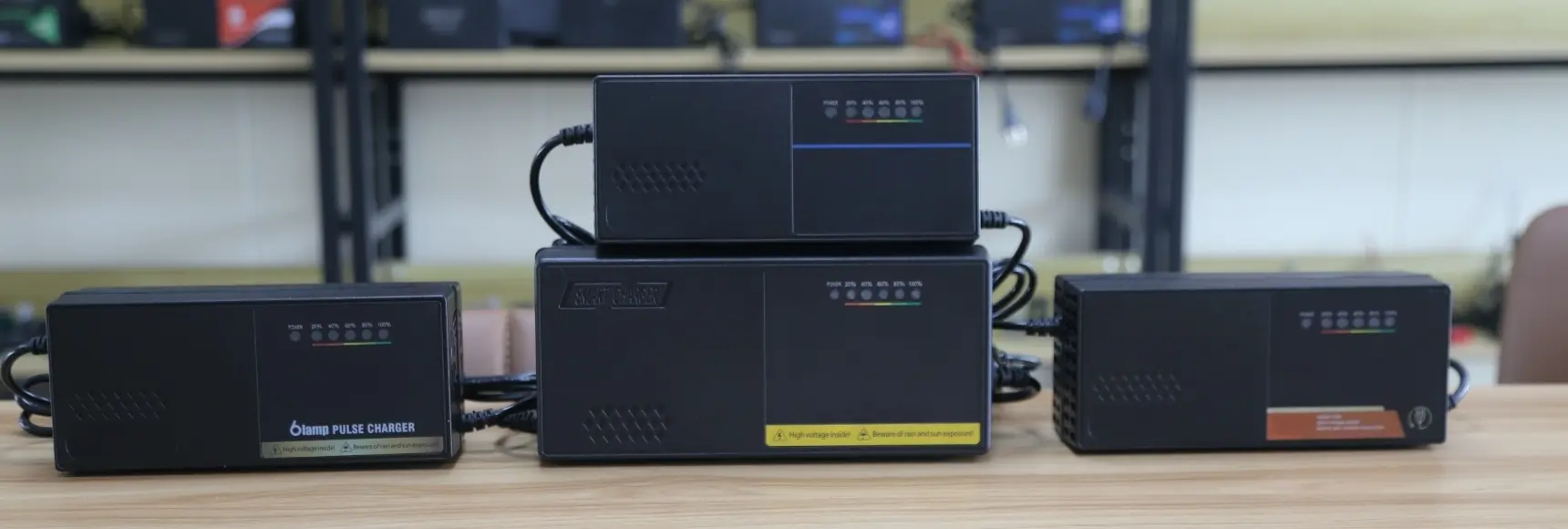
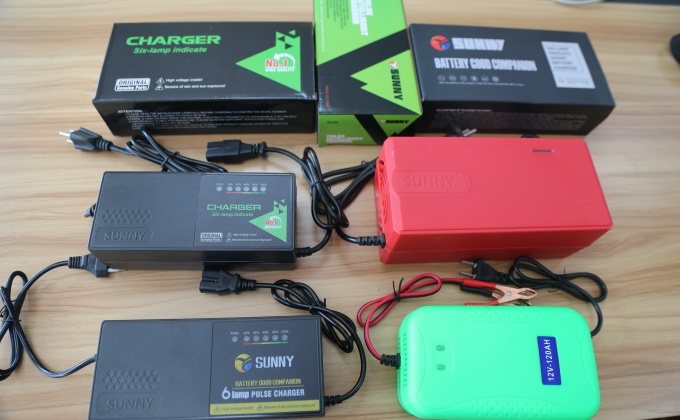
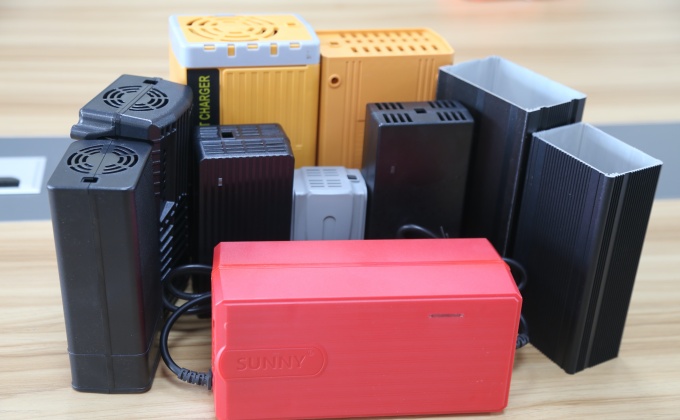
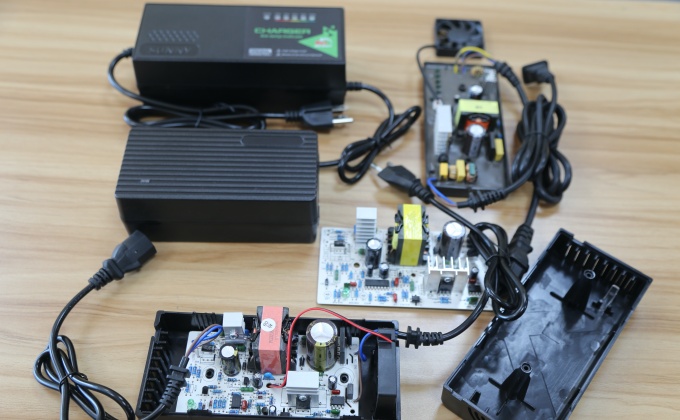
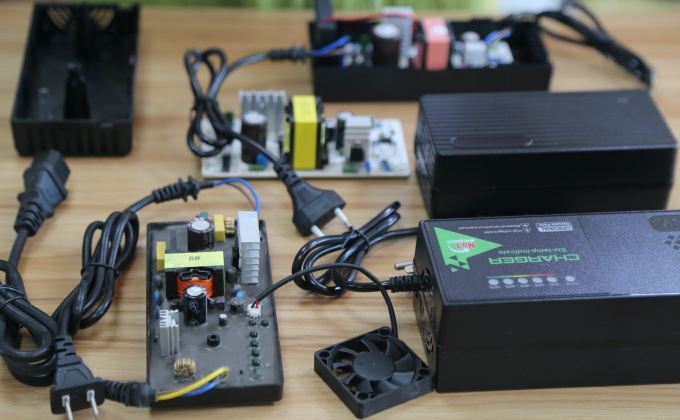
The standard products on this page are enclosed chargers, but Linjia's broader manufacturing system can support different structures when a project requires them. Available manufacturing capabilities include standard enclosed chargers, potted or sealed structures, fan-cooled structures, naturally cooled structures, and open-board or semi-finished solutions for applicable projects.
The correct structure depends on charger power, heat generation, installation space, dust or moisture exposure, repairability, and the buyer's assembly plan. Structural choices should therefore be confirmed during project evaluation rather than selected only by appearance.
What Housing Options Can Be Evaluated for a Custom 24V Battery Charger?
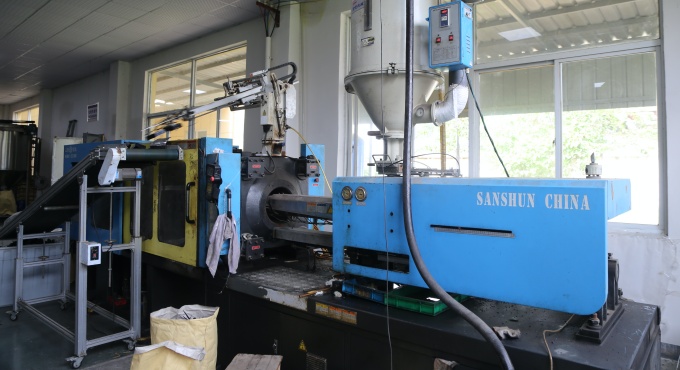
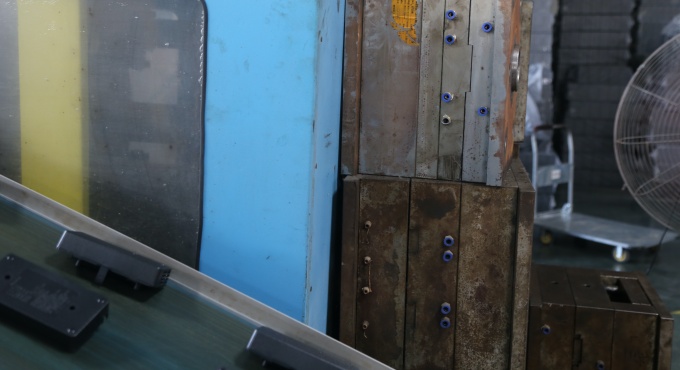
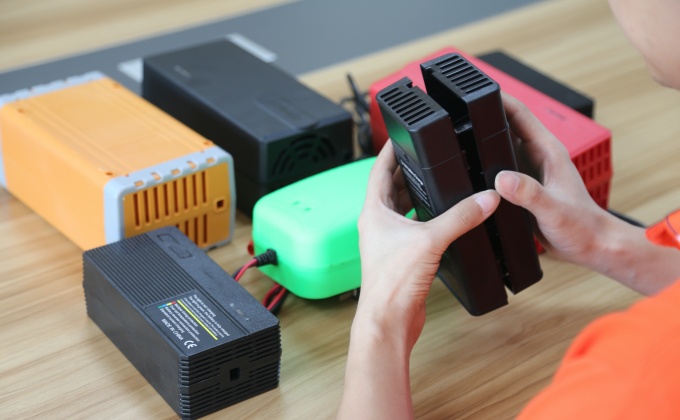
Linjia has in-house housing mould development and injection moulding capability. For projects using moulded housings, the factory can evaluate the housing structure, material requirements, dimensions, ventilation, assembly method, and branding needs together with the charger electronics.
For demanding markets, housing selection should be considered together with thermal performance, dust exposure, operating temperature, cable routing, and protection requirements. A housing that fits the PCB is not automatically the best housing for every operating environment.
What AC Input Options Are Available for These 24V Chargers?
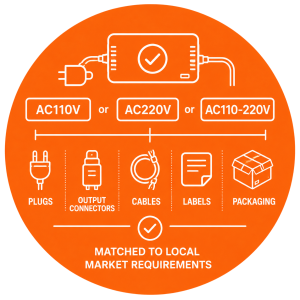
The product specification lists AC110V, AC220V, and AC110-220V input options at 50-60Hz for the applicable 24V models. The correct version should be selected according to the destination market and equipment requirements.
For importers and distributors serving more than one country, a wide-input version may simplify SKU management when it is technically suitable for the project. The AC plug should also be confirmed separately because countries using similar mains voltage may still require different plug formats.
Can the Input Plug and Output Connector Be Customized?
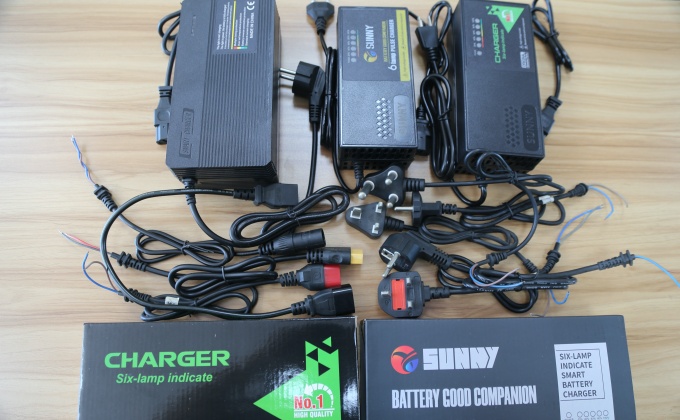
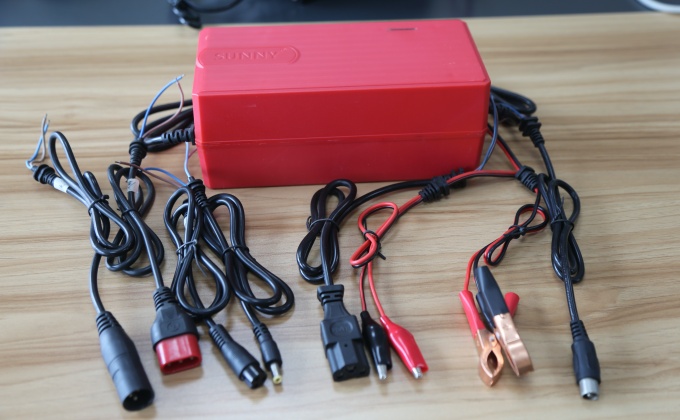
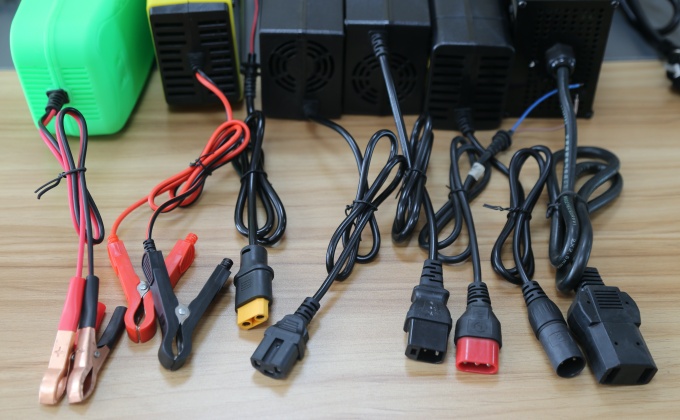
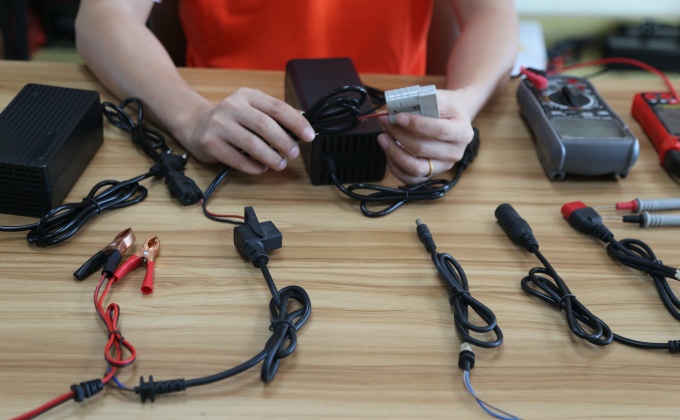
Yes. Linjia can configure input plugs, output connectors, cables, and related connection details for OEM and ODM projects. Buyers should provide a clear connector photo, dimensional information, or an existing sample whenever possible.
The output side should be checked for connector type, polarity, pin definition where applicable, cable length, and equipment-side compatibility. Confirming these details before mass production helps reduce wrong-connector shipments and avoids rewiring or adapter use in the destination market.
Can Labels, Logos, Product Codes, and Packaging Be Customized?
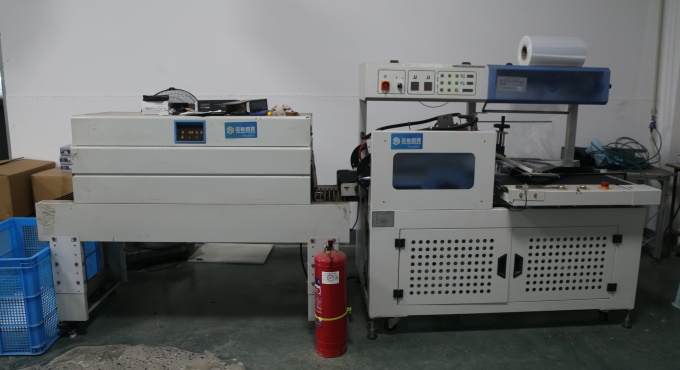
Yes. Linjia supports label, logo, product-code, and packaging customization for brand owners, importers, wholesalers, and distributors. These items can be aligned with the approved charger specification so that the electrical configuration and external identification remain consistent.
For private-label projects, buyers should confirm the required artwork, language, voltage and current markings, connector information, carton marks, and packaging format before production. Any certification marks should only be used when they are applicable to the specific model and market.
What Is the Difference Between 1.9A and 2.8A Charging Current for a 24V Battery Pack?
Charging current affects how quickly energy is returned to the battery and how much electrical and thermal stress is placed on the charging system. A higher-current charger is not automatically better. The battery capacity, battery condition, charging specification, and intended charging time must be considered together.
For the models on this page, the 1.9A version is matched to selected 10-17Ah packs, while the 2.8A version is matched to selected 17-28Ah packs. If the battery supplier specifies a different recommended current, that requirement should take priority during charger selection or ODM evaluation.
What Protection Functions Are Included in These 24V Lead-Acid Battery Chargers?
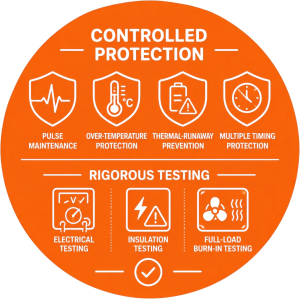
The product specification lists pulse maintenance, battery thermal-runaway prevention, over-temperature protection, and multiple timing protection. These functions are intended to improve charging control and reduce risks associated with excessive temperature or uncontrolled charging duration.
For custom projects, Linjia can also evaluate protection requirements together with the battery, input power conditions, thermal design, and component configuration. The final protection package should be confirmed according to the exact model and project specification rather than assumed from a general charger description.
How Does Linjia Control Electrical Safety and Charging Consistency?
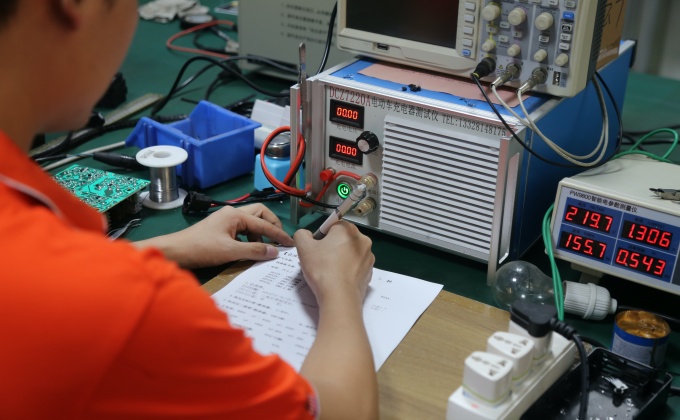
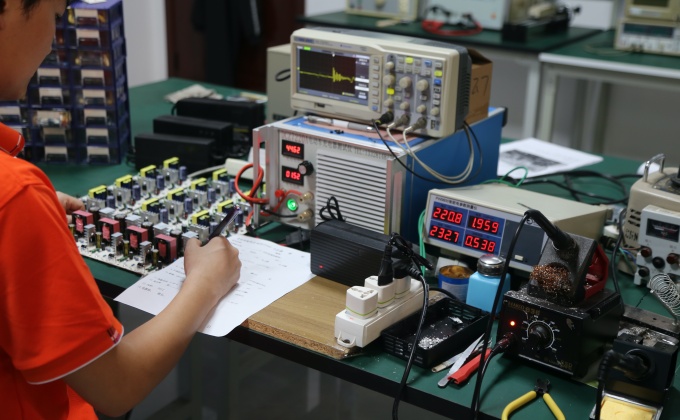
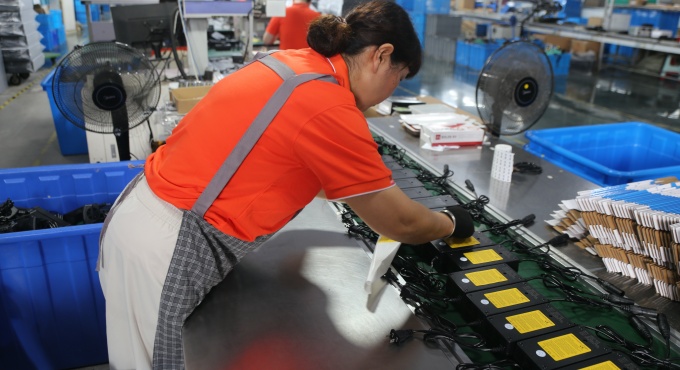
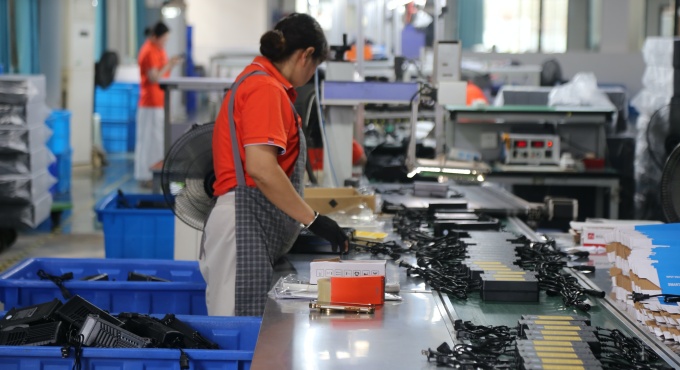
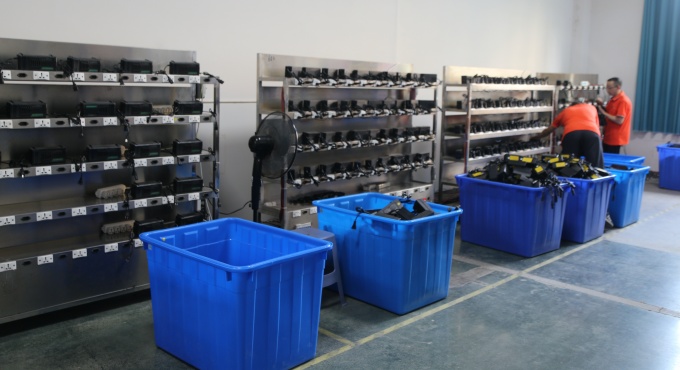
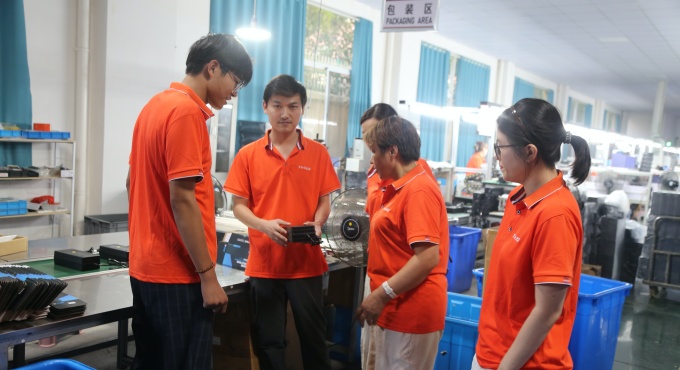
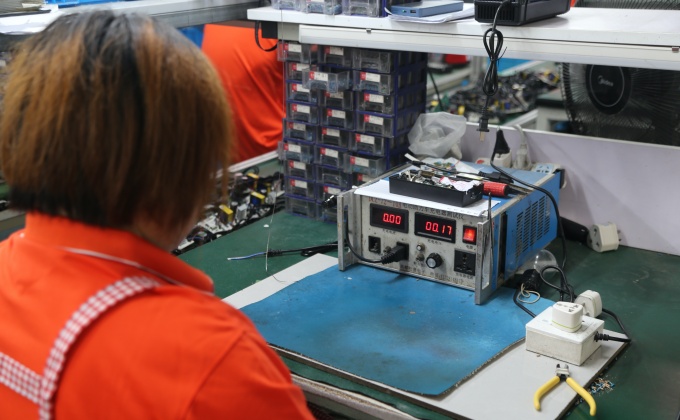
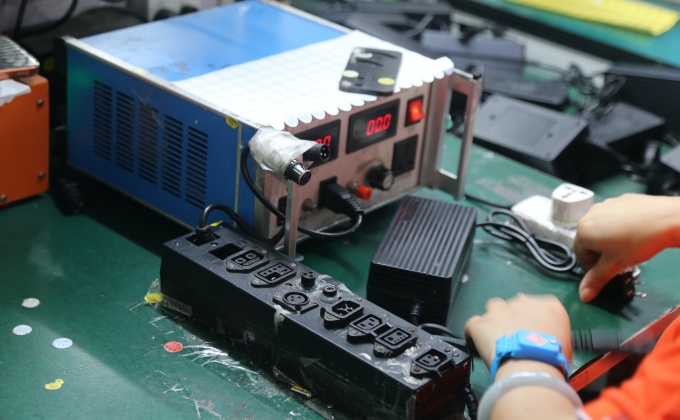
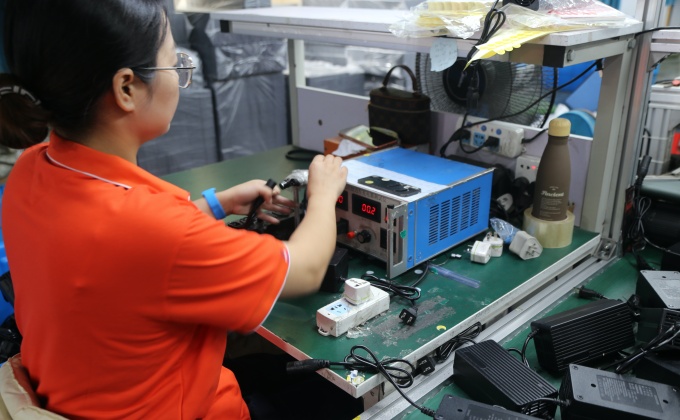
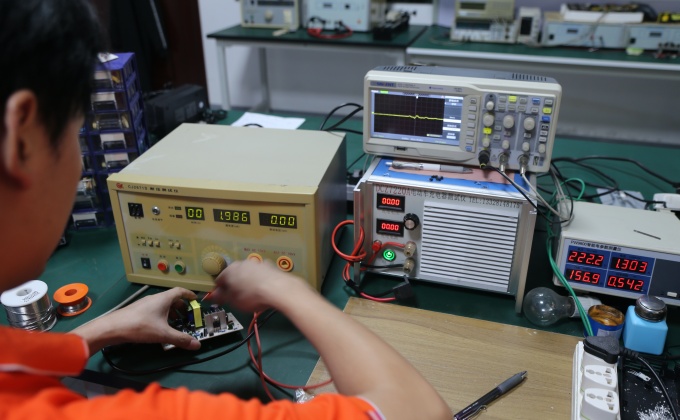
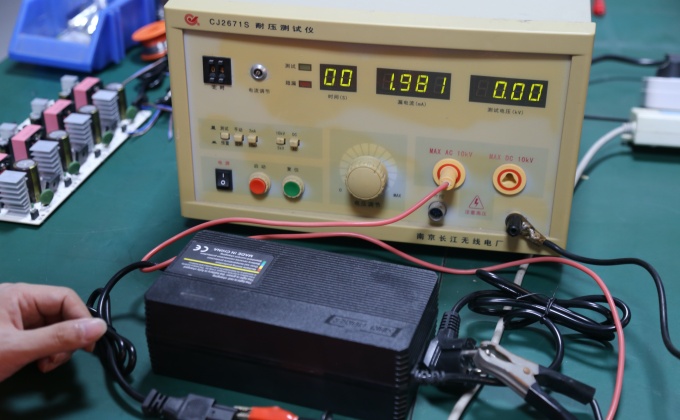
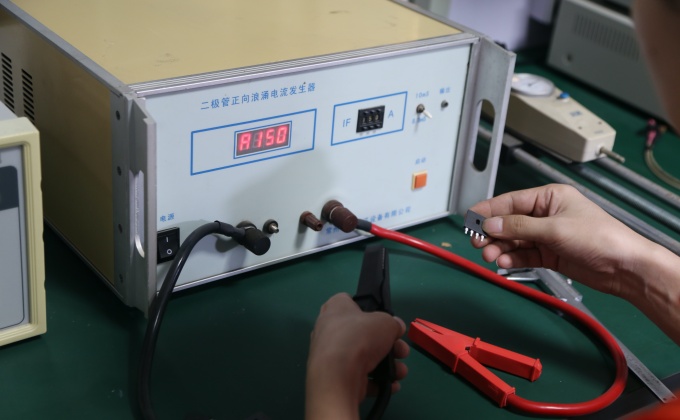
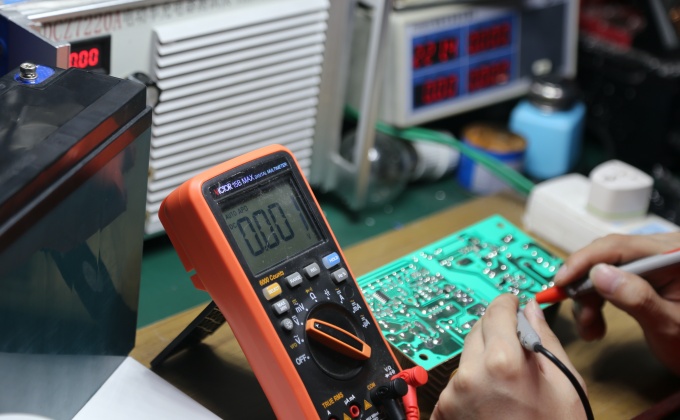
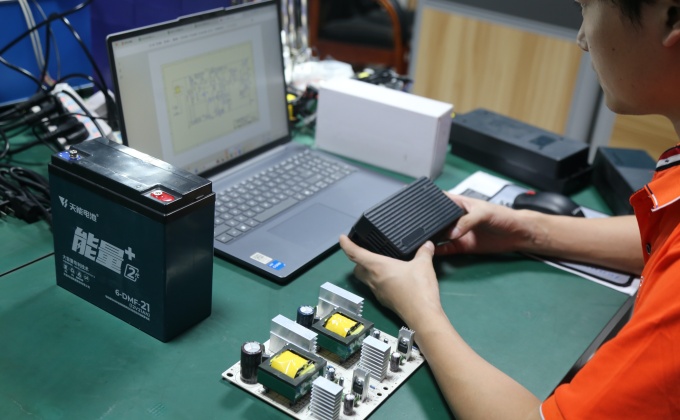
Linjia applies standardized quality-control procedures that include incoming material inspection, semi-finished product testing, finished-product electrical performance testing, high-voltage insulation testing, and full-load burn-in testing. These steps are used to identify electrical abnormalities and early failures before shipment.
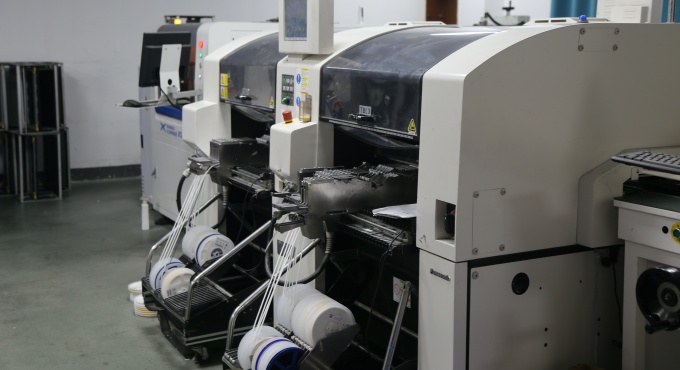
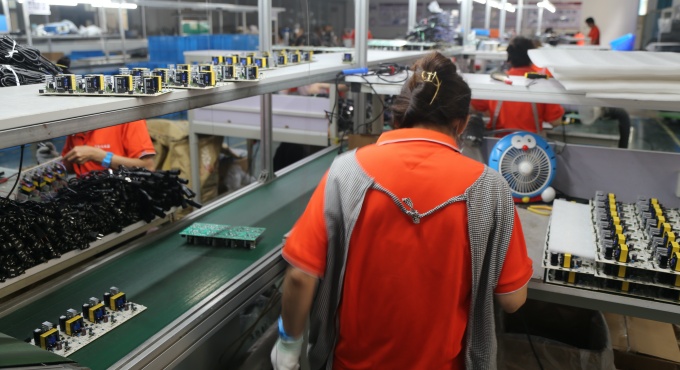
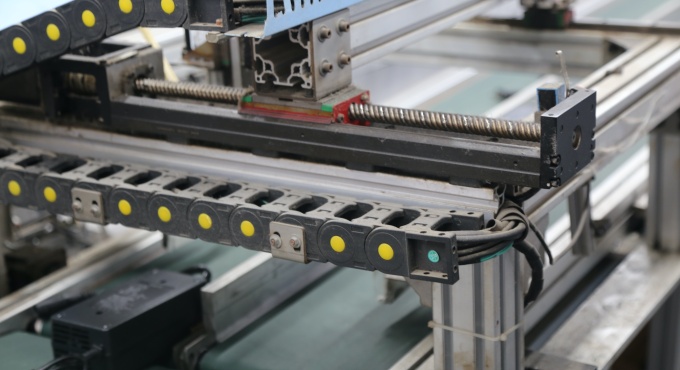
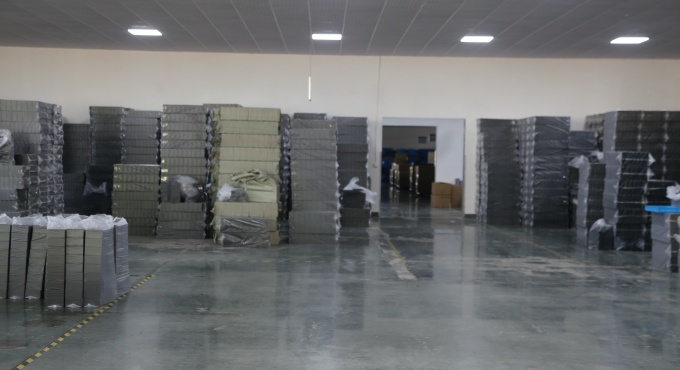
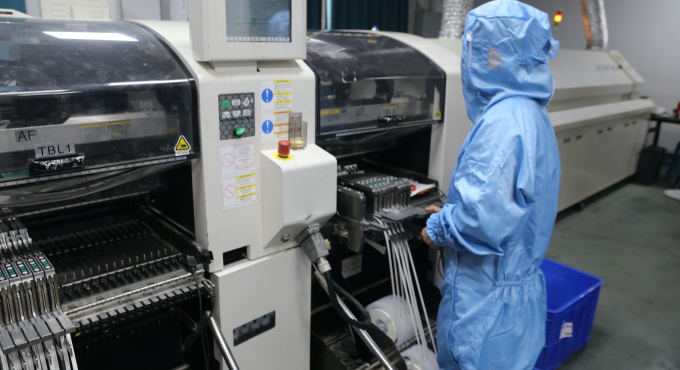
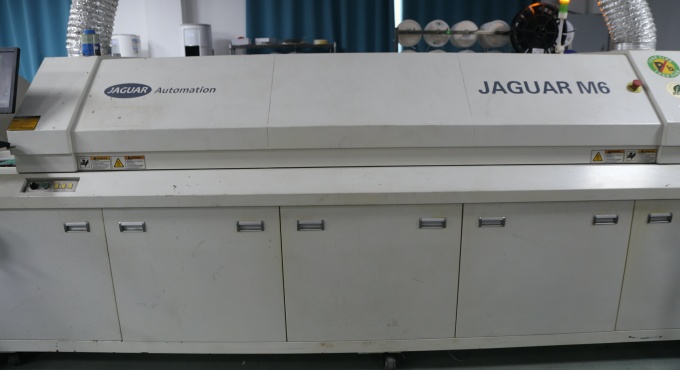
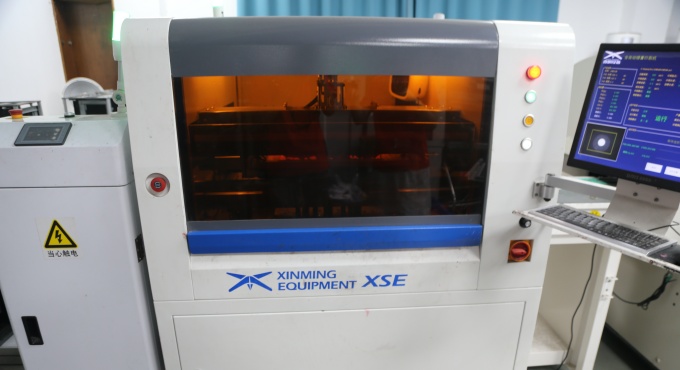
The factory also integrates SMT production, assembly, and testing, allowing key manufacturing stages to be controlled within one production system. For B2B buyers, this is important because consistent output and repeatable connector, label, and packaging configuration are required across large batches, not only on approval samples.
What Operating Temperature Range Is Specified for These 24V Chargers?
The product specification lists an operating-temperature range of -20°C to +50°C. Actual suitability still depends on installation conditions, ventilation, surrounding heat sources, dust, duty cycle, and the way the charger is used in the end product.
For projects in hot climates or other demanding environments, Linjia can evaluate thermal design, component configuration, housing structure, and cable requirements during customization. Buyers should provide expected ambient temperature and usage pattern so that the charger is assessed against the real operating condition.
Can the Charging Profile Be Adjusted for a Specific 24V Lead-Acid Battery?
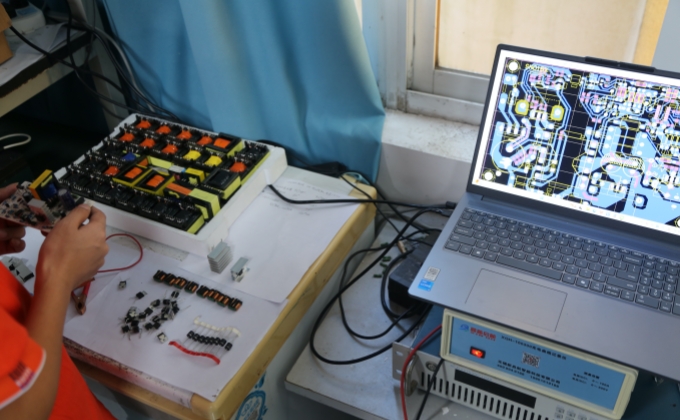
Yes, for ODM projects Linjia can evaluate the charging solution based on the battery type, nominal voltage, full-charge voltage, capacity, required charging current, and intended application. This is especially important when the customer's battery specification differs from a standard charger configuration.
The battery manufacturer's charging requirements should be supplied whenever possible. Linjia can then determine whether an existing model is suitable or whether circuit, charging logic, component configuration, or other parameters need to be adjusted before samples are produced.
How Should Buyers Select Between Standard Models and a Custom 24V Charger?
A standard model is suitable when the battery capacity, output requirement, AC input, connector, and operating environment already match the existing specification. This usually shortens the development process and simplifies sample confirmation.
A custom battery charger is more appropriate when the project needs a different charging current, input range, connector, cable, label, housing, packaging, charging profile, or environmental adaptation. For OEMs and battery brands, defining these requirements before tooling or mass production can prevent repeated sample changes later.
What Is the Expected Service Life of a 24V Battery Charger?
There is no single service-life figure that applies to every charger and operating environment. Charger life depends on component configuration, thermal design, mains quality, ventilation, duty cycle, battery condition, dust and moisture exposure, and how the charger is operated and stored.
For B2B projects, the more useful approach is to confirm the actual environment and design margin, then use controlled production and burn-in testing to reduce early failures. Linjia can evaluate component, thermal, housing, cable, and protection requirements according to the target market and application.
What Factors Commonly Cause Charger Failure or After-Sales Problems in Long-Term Use?
Common project risks include selecting the wrong charging current for the battery, using the wrong connector or polarity, operating under unsuitable input voltage, poor ventilation, excessive heat, dust exposure, damaged cables, and long-term use outside the intended operating conditions.
Many of these problems can be reduced before production. Confirming battery parameters, local mains voltage, plug, connector, cable, operating temperature, and usage pattern allows the charger specification to be matched more accurately and helps distributors reduce avoidable returns or field modifications.
How Should a 24V Lead-Acid Battery Charger Be Used and Maintained?
Use the charger only with a compatible battery pack and within the specified input and operating conditions. Keep the charger in a dry, reasonably ventilated location unless the selected model is specifically designed for a more demanding environment. Do not block ventilation areas or use damaged AC cords, output cables, or connectors.
For routine maintenance, inspect plugs, connectors, cables, and the housing for visible damage or looseness. Keep dust away from ventilation areas and avoid opening the charger unless service is performed by qualified personnel. If the battery or equipment specification changes, reconfirm charger compatibility before continued use.