How We Assure Quality on Each Battery Charger
Battery charger quality depends on more than a final functional check. It requires control of materials, PCB workmanship, electrical performance, insulation, connectors, assembly, labeling, burn‑in, and order‑specific requirements throughout production.
Linjia follows standardized production and inspection procedures under its ISO 9001 quality management system. Applicable inspection items are matched to the charger model, approved specification, structure, and project requirements.
Incoming Material Verification
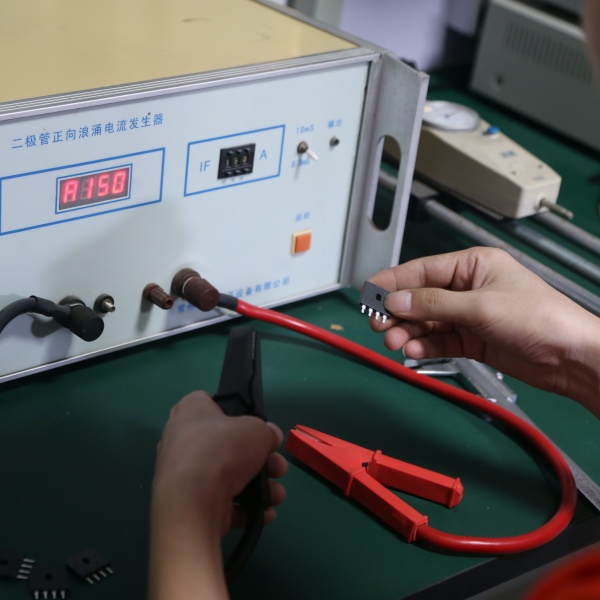
PCBs, electronic components, housings, cables, input plugs, output connectors, labels, and packaging materials are checked before entering production. Verification against approved production and project requirements helps prevent material or configuration errors from moving into later stages.
PCB & In‑Process Production Control
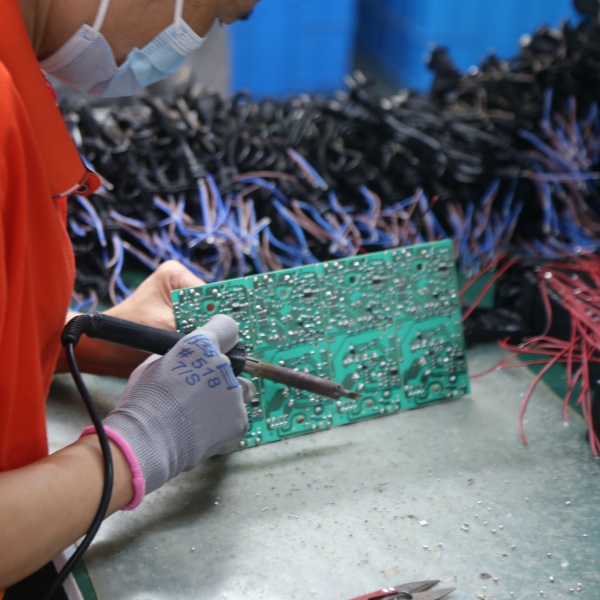
PCB assemblies and semi‑finished chargers are inspected and tested during production before final enclosure assembly. PCB workmanship, soldering, component installation, wiring, cables, connectors, and assembly accuracy are checked according to approved process requirements. This helps identify circuit, soldering, connection, or assembly abnormalities before they move into finished‑product testing.
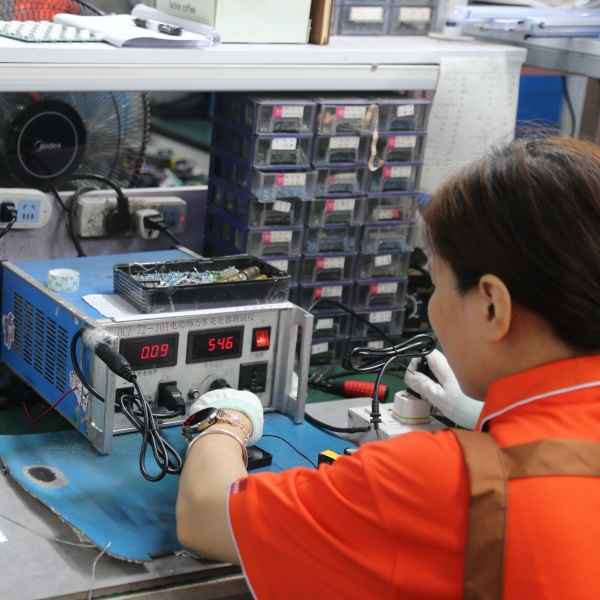
Finished‑Product Electrical Performance Test
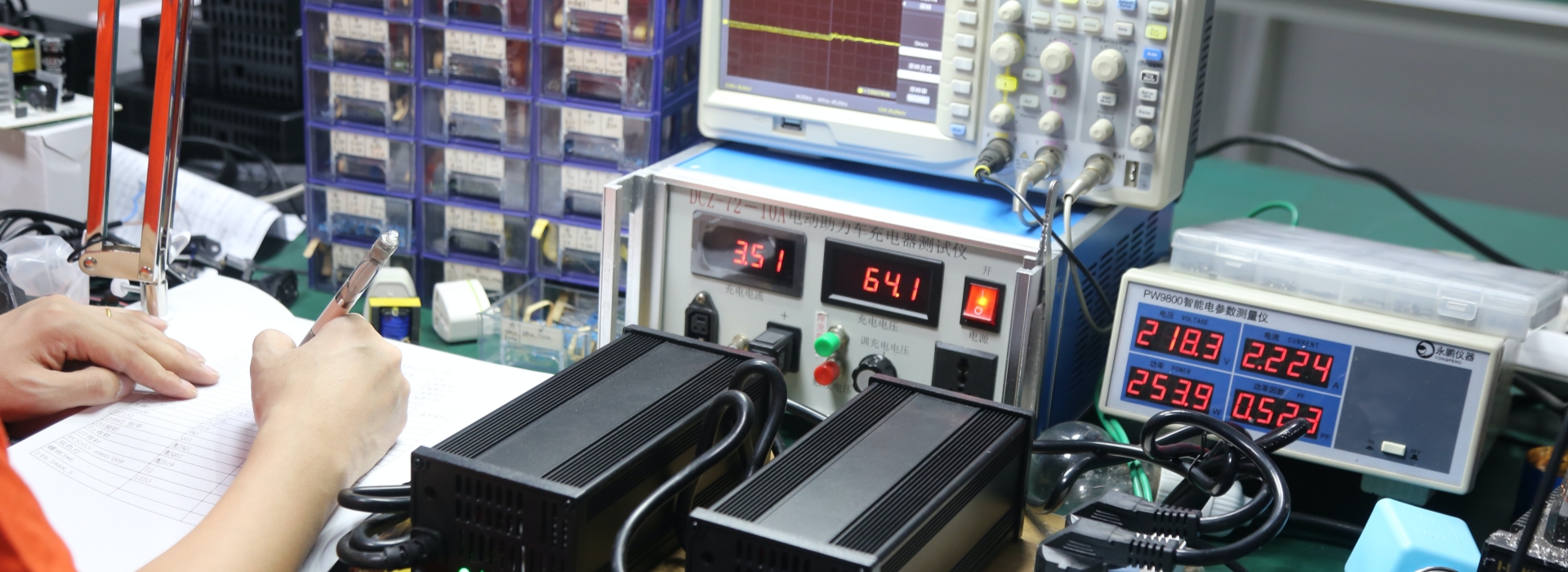
Finished chargers are checked using comprehensive electrical testing equipment. Key items such as output voltage, charging current, operating status, and applicable indicator functions are verified against the approved charger specification.
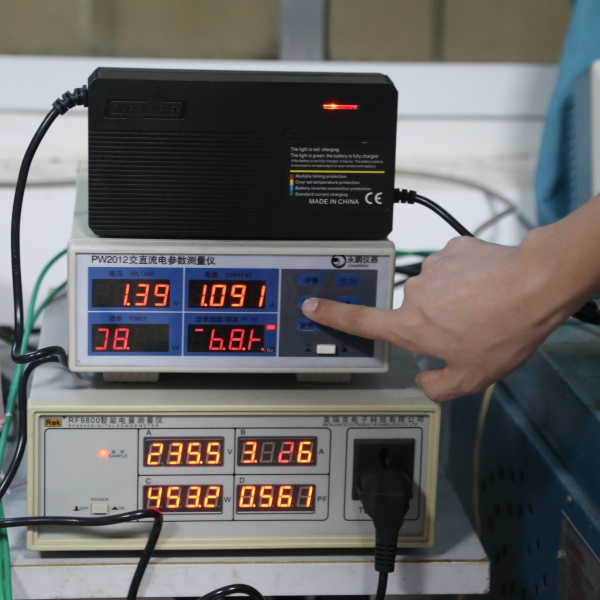
Withstand Voltage & Insulation Test
Withstand‑voltage and insulation testing is used to verify insulation performance between relevant electrical sections before the charger proceeds to the next production stage. This is an important electrical‑safety verification within the standardized inspection process.
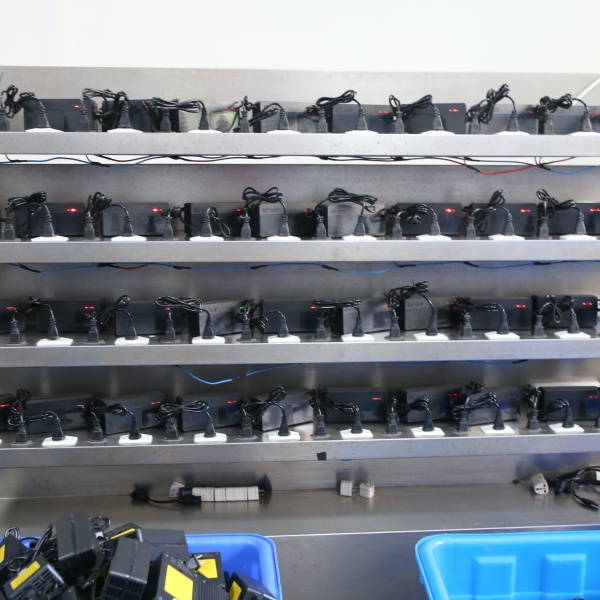
Full‑Load Burn‑In & Reliability Screening
Finished chargers that have completed the required electrical and safety checks undergo full‑load burn‑in according to the applicable production plan. Operating the chargers under defined load conditions helps identify abnormal operation and potential early‑stage failures before final packing. Project‑specific reliability requirements can be discussed according to product structure, application, and target operating environment.
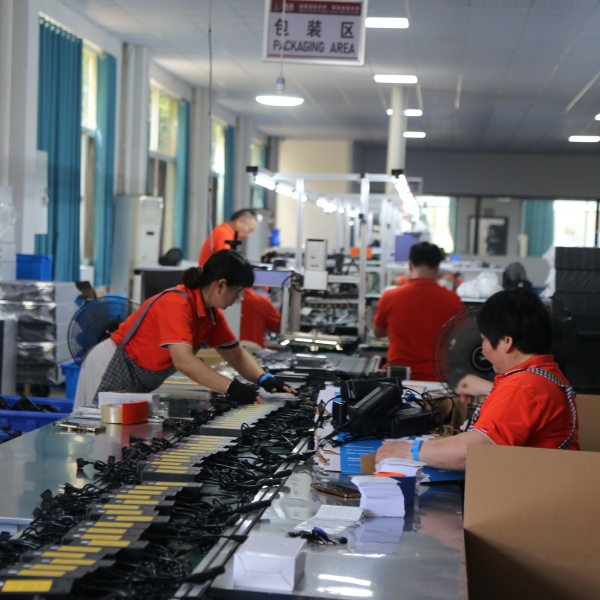
Final Inspection Before Packing
Before packing, finished chargers are checked against the approved order requirements. Final verification covers the charger model, input plug, output connector, polarity or pin definition where applicable, cable configuration, housing and assembly appearance, labels, accessories, carton marks, and packaging. This helps reduce specification, interface, labeling, and packing errors before bulk shipment.
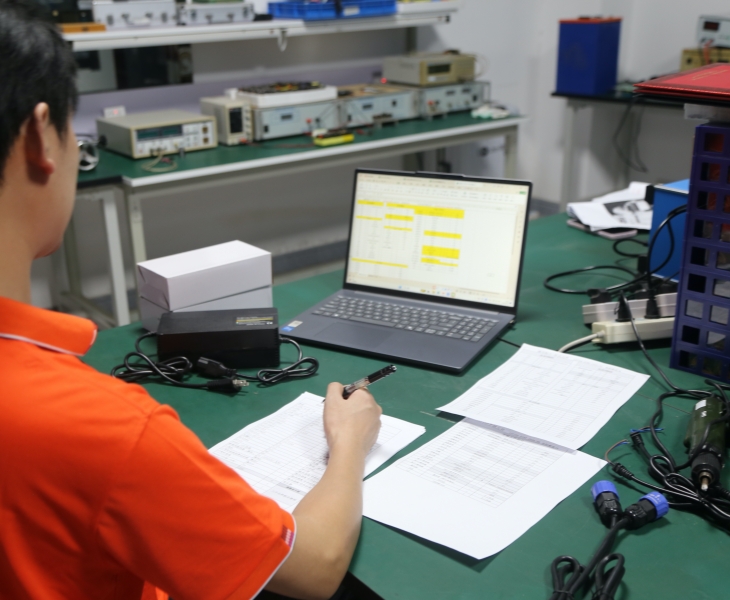
Record Keeping & Corrective Improvement
Quality control does not end when a test result is recorded. For OEM and ODM projects, Linjia uses approved specification records, sample and change control, model and batch identification, and order records to keep project information traceable.
If a market issue occurs, the buyer can provide the model, batch information, symptoms, test data, photos, or video for engineering review. Follow‑up can be organized around issue information, engineering review, cause analysis, containment action, corrective action, and verification.
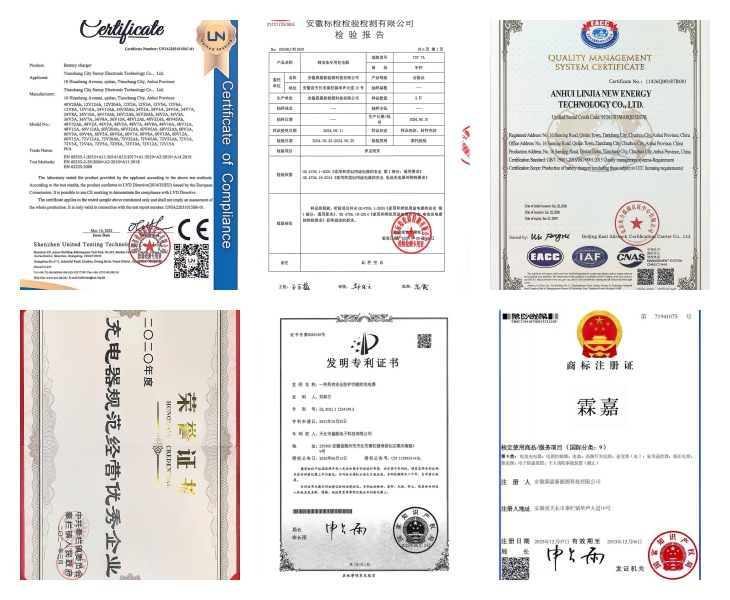
Our Quality Certifications
Linjia has obtained ISO 9001 quality management system certification. Relevant charger models can also be supported by CE certification and applicable IEC testing documentation, depending on the product model and target‑market requirements.
Certification and testing requirements should be confirmed for the exact charger model, electrical specification, and destination market before order approval. Only verified documents applicable to the relevant model and project should be displayed or referenced.