6V Lead-Acid Battery Charger Manufacturer in China
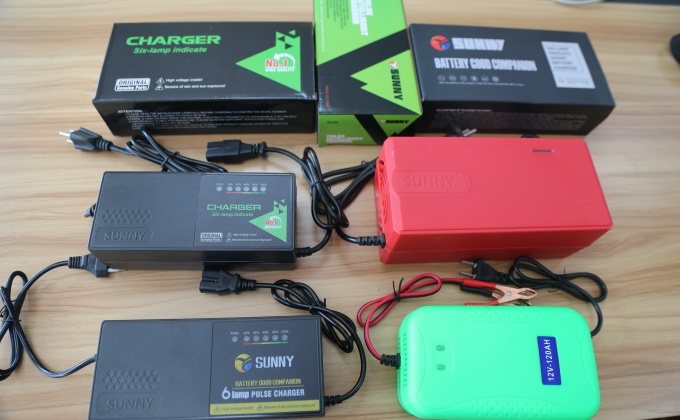
Linjia is a professional 6V lead-acid battery charger manufacturer supplying 1.2A and 1.8A models for battery brands, equipment manufacturers, importers, wholesalers, and distributors. We match battery capacity, charging current, AC input, plug, output connector, cable, and polarity to the project requirements, helping buyers reduce specification mismatches and avoidable after-sales issues. As a China-based factory, we support OEM and ODM battery charger projects with standardized production and testing.
International Brands We Collaborate With



Professional 6V Lead‑Acid Battery Charger Supplier in China
Choosing a 6V lead‑acid battery charger is not only about matching the nominal battery voltage. Battery capacity, required charging voltage, charging current, AC input, connector, polarity, and operating environment all affect compatibility. At Linjia, we review these factors before sampling or mass production so battery brands, equipment manufacturers, importers, wholesalers, and distributors can reduce avoidable specification and after‑sales problems.
Our standard 6V lead-acid charger range includes 1.2A and 1.8A options. The 6V 1.2A model is listed for selected 6V 6–10Ah lead-acid battery packs, while the 6V 1.8A model is listed for selected 6V 12–17Ah battery packs. Both models have a catalogue output range of DC6–7.3V. The correct model should still be confirmed against the battery manufacturer’s charging requirements rather than selected by capacity alone.
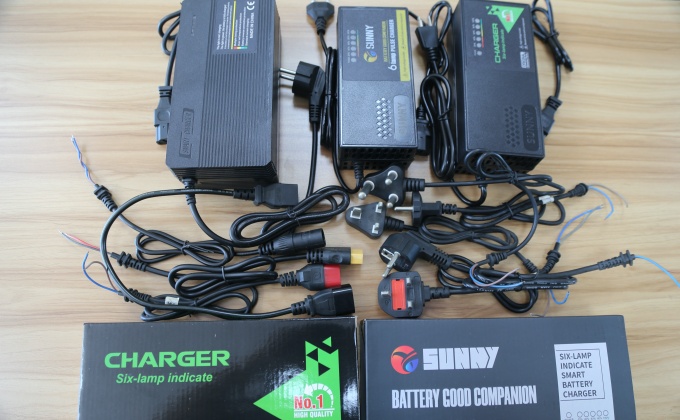
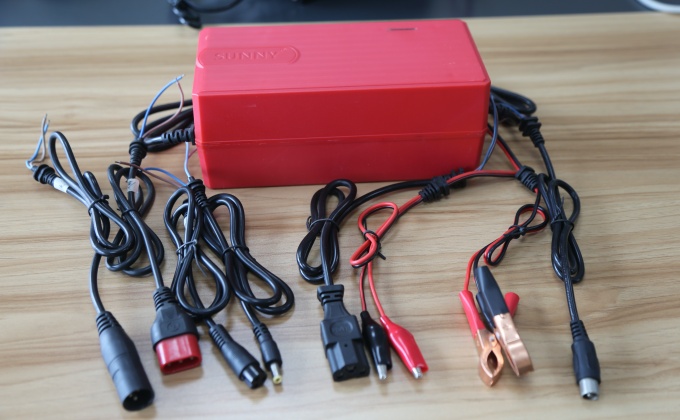
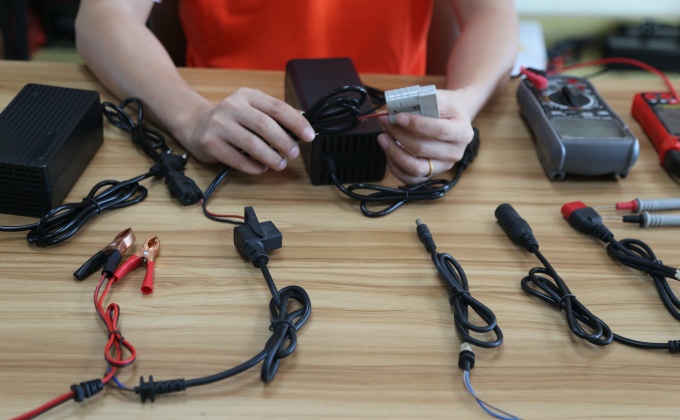
Input configuration also matters for international purchasing. The current catalogue lists AC110V, AC220V, and AC110–220V input options at 50–60Hz. Linjia can review the required AC plug, output connector, cable specification, polarity, and pin definition according to the destination market and equipment interface. Product labels, logos, manuals, and packaging can also be customized for OEM battery charger and private-label projects.
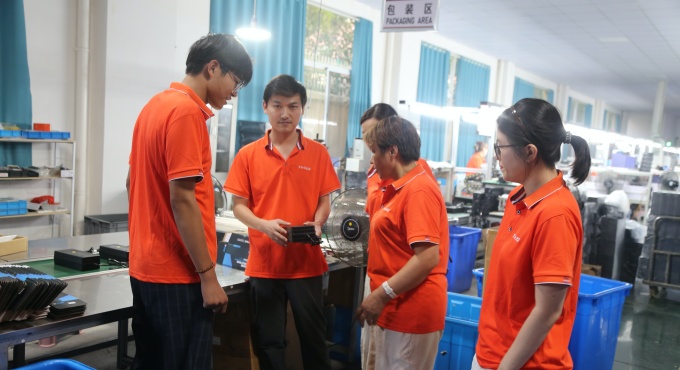
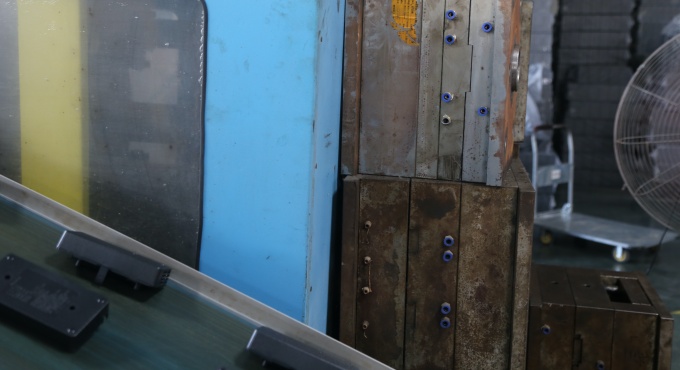
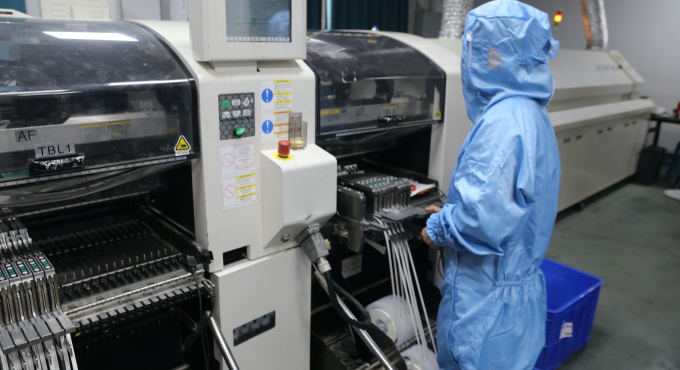
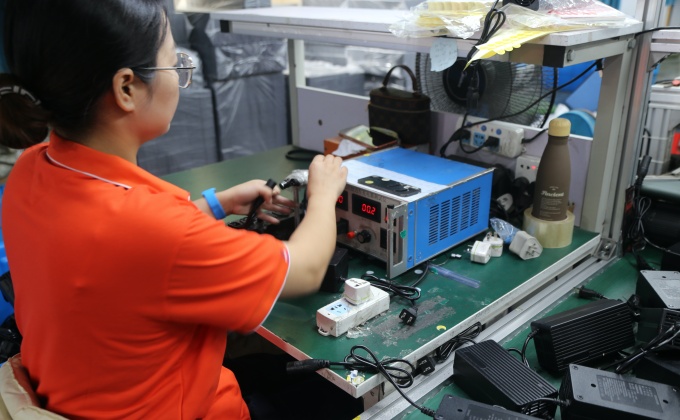
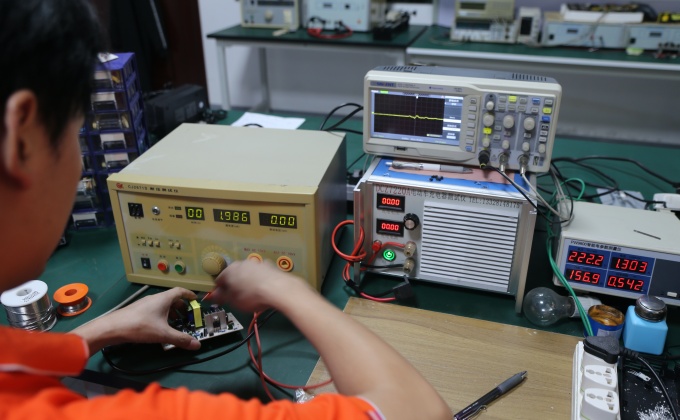
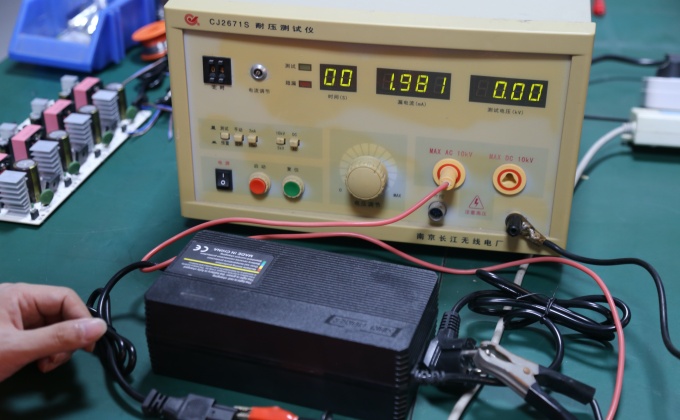
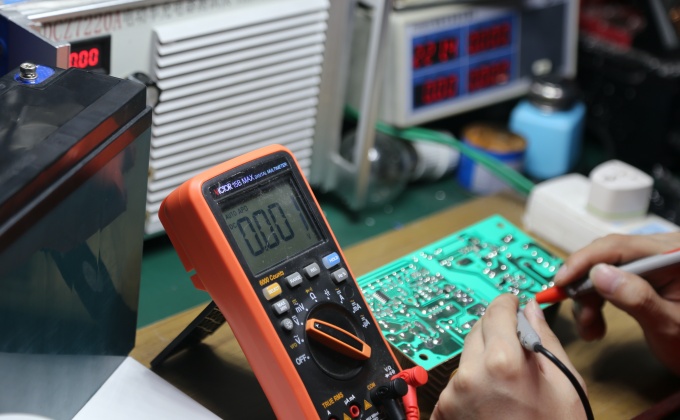
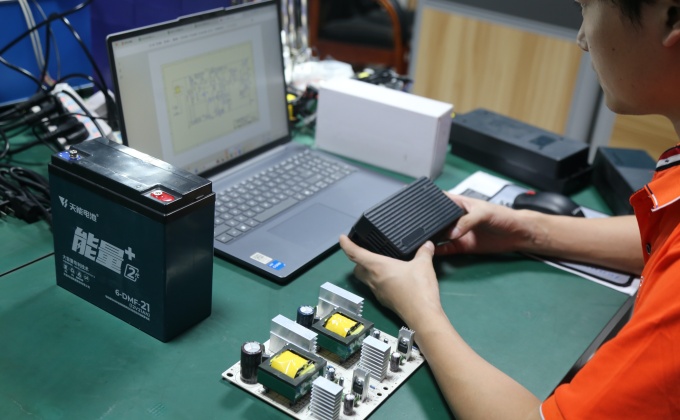
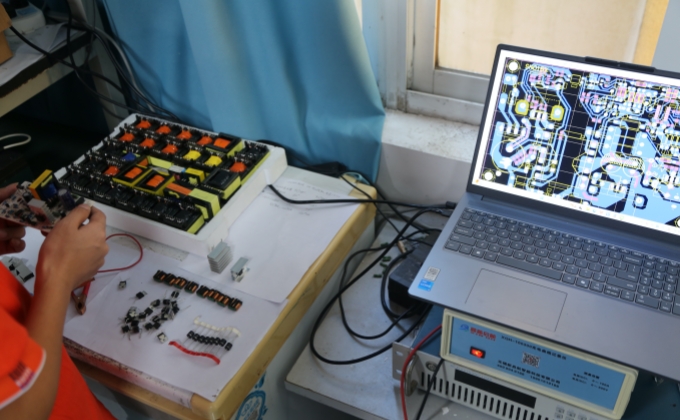
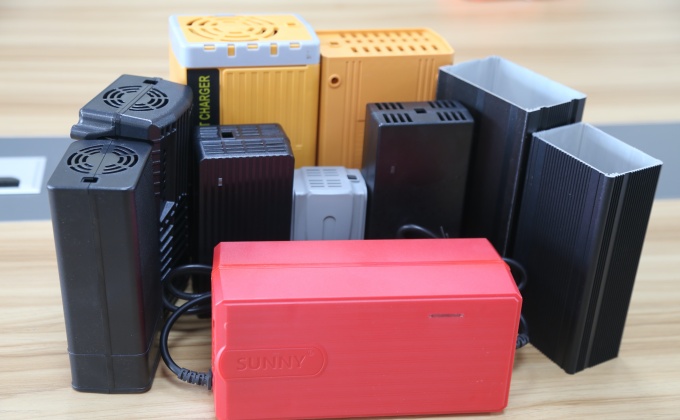
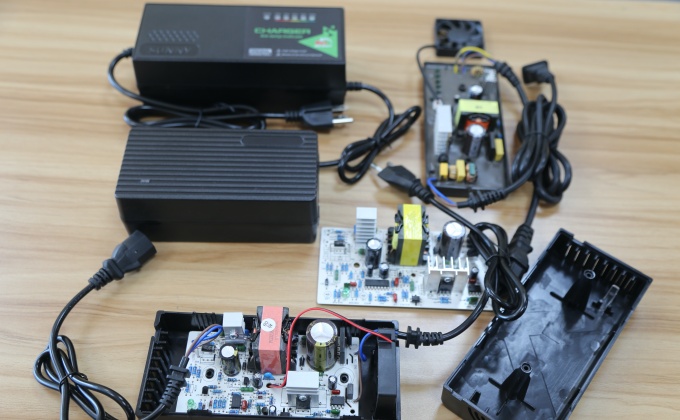
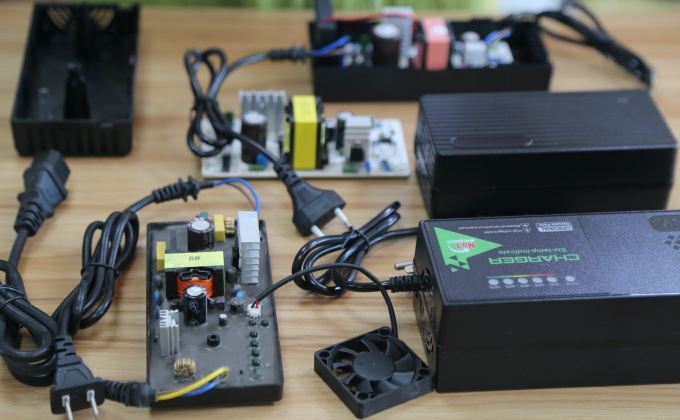
For custom battery charger projects, buyers can provide the battery type, nominal voltage, required charging voltage, capacity, preferred charging current, connector information, local AC input, plug type, and operating environment. Linjia’s manufacturing system supports charging-solution development, PCB design, housing development, assembly, electrical performance testing, high-voltage insulation testing, and full-load burn-in. This helps B2B buyers define the technical and branding requirements before sample approval and bulk production.
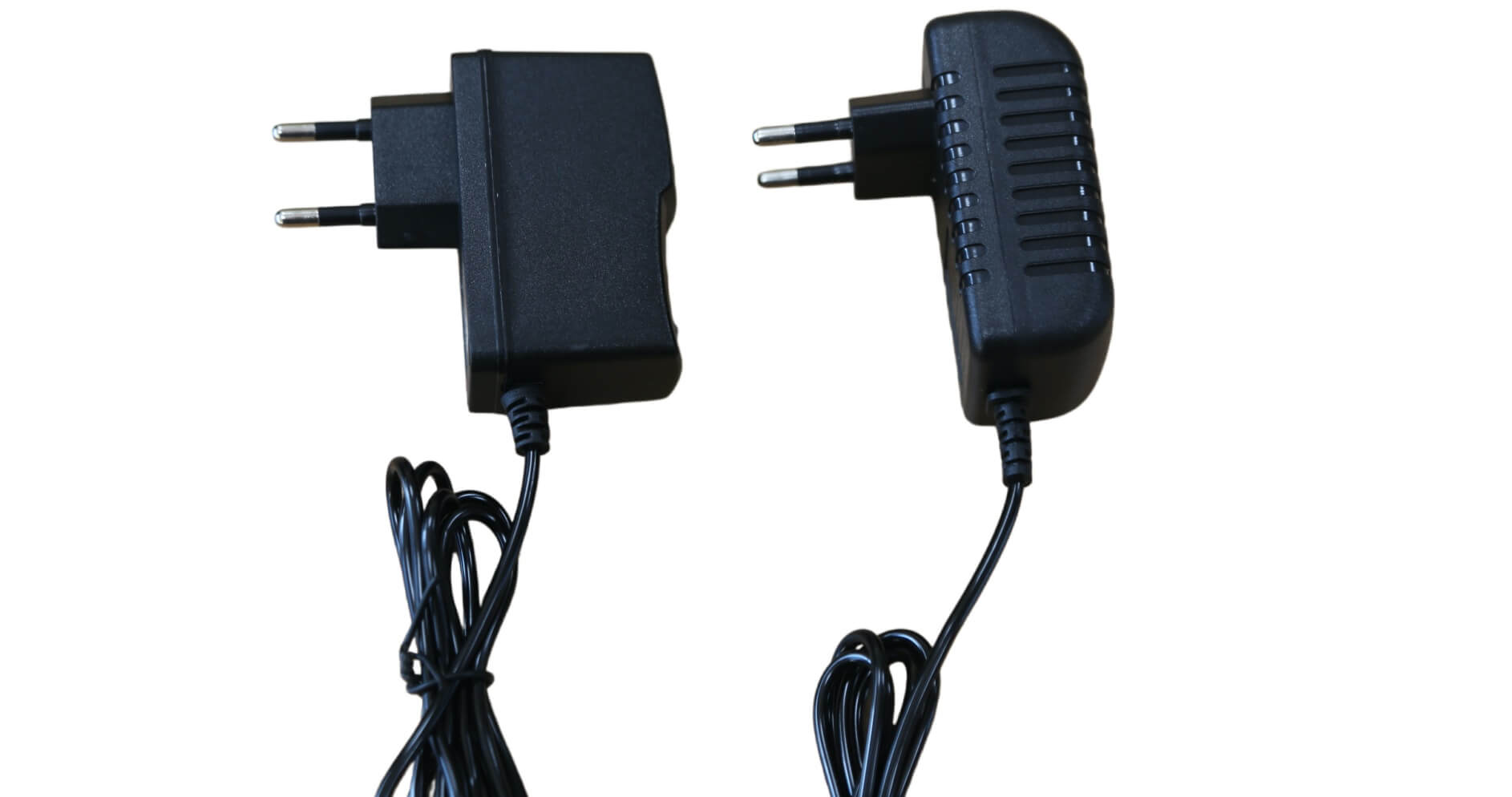
6V 1.2A Lead‑Acid Battery Charger
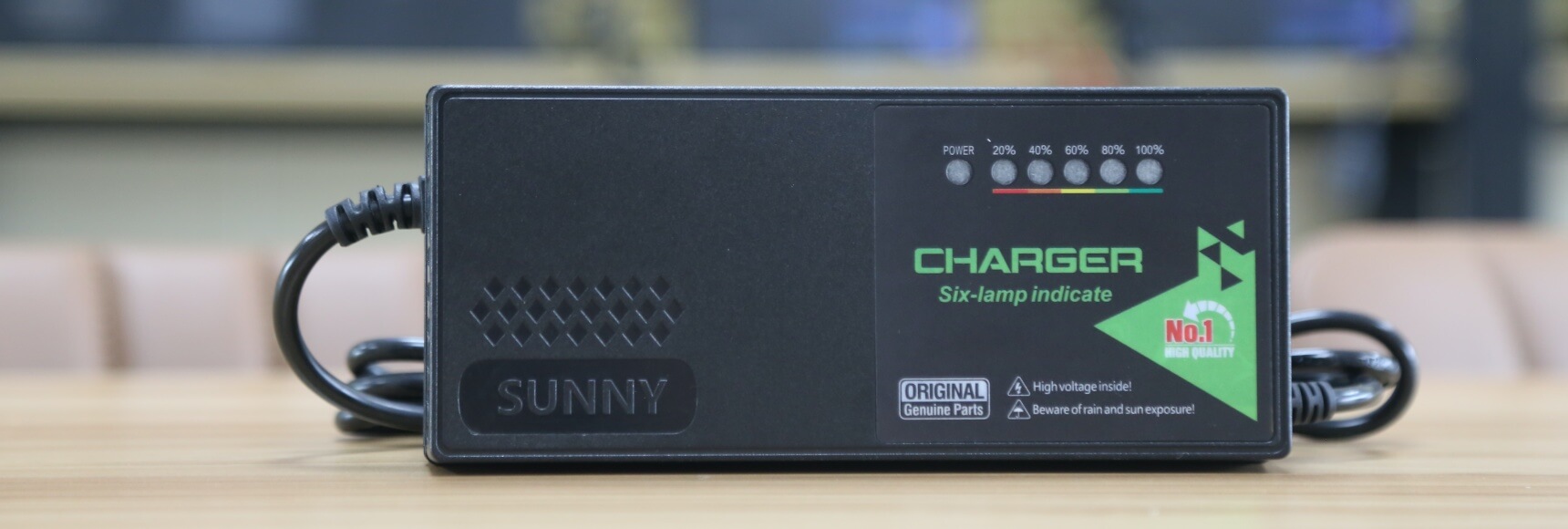
Linjia 6V 1.2A lead‑acid battery charger is designed for selected 6V 6–10Ah battery packs, with a catalogue output range of DC6–7.3V and 1.2±0.2A current. AC input, plug, connector, cable, polarity, label, and packaging can be reviewed for OEM and wholesale projects.
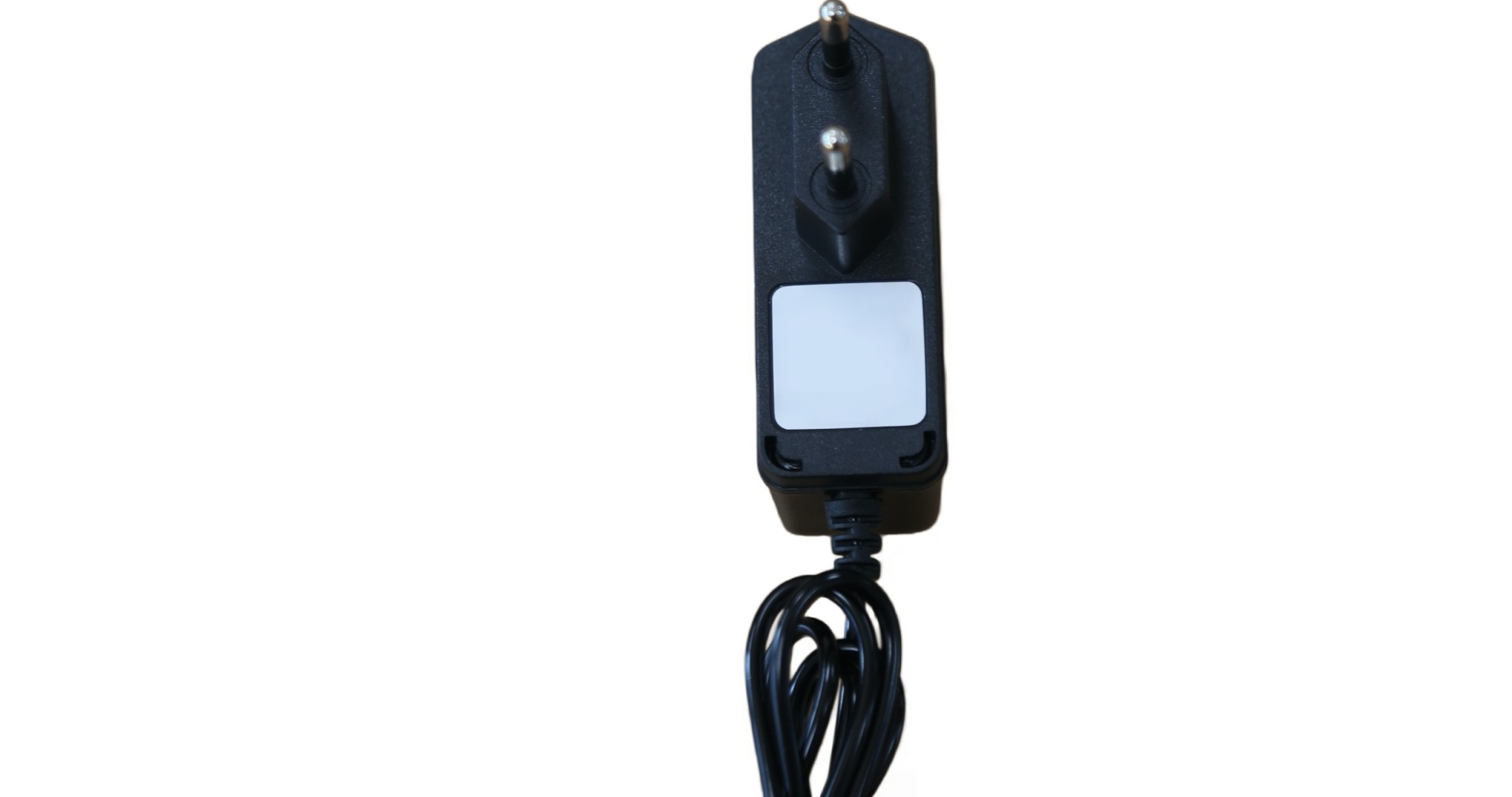
6V 1.8A Lead‑Acid Battery Charger
Linjia 6V 1.8A lead‑acid battery charger is designed for selected 6V 12–17Ah battery packs, with a catalogue output range of DC6–7.3V and 1.8±0.2A current. Configurable input, connector, cable, polarity, and private‑label options help buyers match the charger to their battery, equipment, and target market.
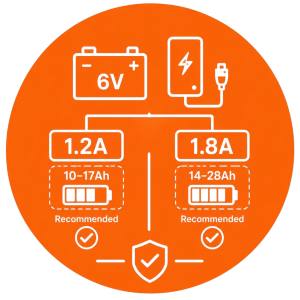
Matched Charging Current
6V 1.2A and 1.8A options are available for selected battery capacities, helping buyers match charging current to the actual battery requirements and reduce incorrect model selection.
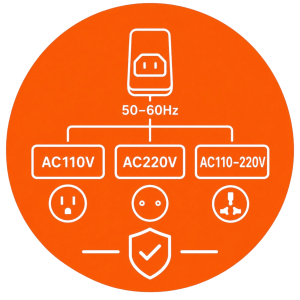
Market-Specific AC Input
AC110V, AC220V, and AC110–220V input options are listed at 50–60Hz, allowing importers and distributors to confirm the configuration required for their destination market.
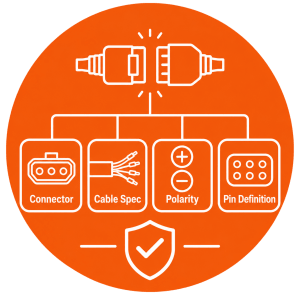
Custom Connector Matching
Output connector, cable specification, polarity, and pin definition can be reviewed against the battery or equipment interface before sample approval and mass production.
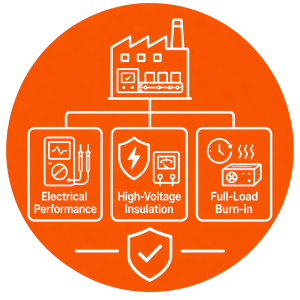
Standardized Factory Testing
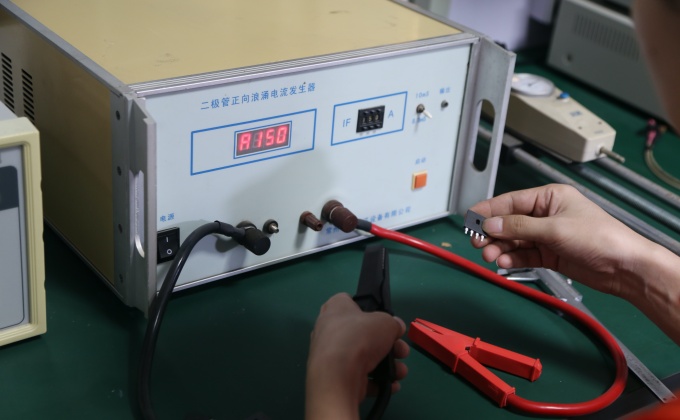
Electrical performance, high-voltage insulation, and full-load burn-in testing are included in Linjia’s standardized quality process to help control consistency in B2B production orders.
How the Right 6V Charger Improves Battery Compatibility
A properly matched 6V lead-acid battery charger helps reduce problems caused by unsuitable charging current, output voltage, connector, or AC input. Linjia offers 1.2A and 1.8A options for selected 6V battery capacities and reviews the battery specification before production. For battery brands, equipment manufacturers, importers, and distributors, this specification-first approach helps reduce avoidable compatibility and after-sales issues.
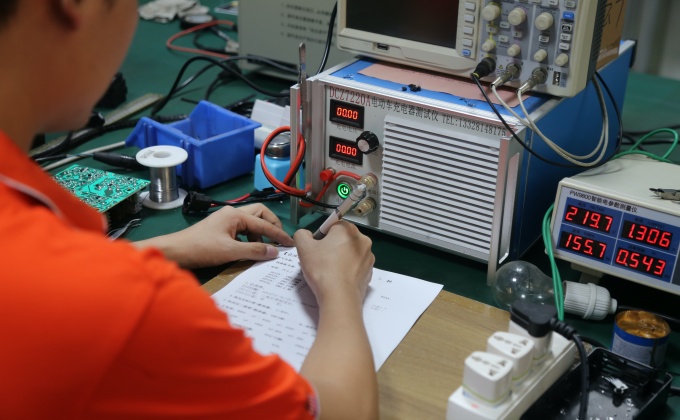
Variations in 6V Lead-Acid Battery Charger Configuration
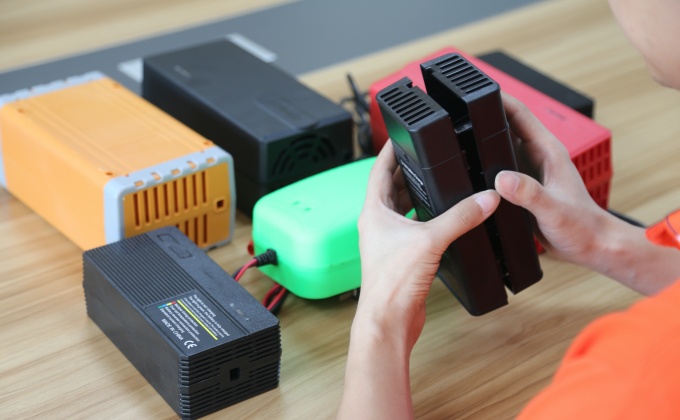
Different batteries, equipment interfaces, and destination markets require different charger configurations. Linjia can review AC input, plug type, output connector, cable specification, polarity, pin definition, label, logo, manuals, and packaging for custom battery charger projects.
These OEM and ODM options help buyers keep the charger aligned with their battery product, equipment interface, local power conditions, and private-label requirements.
Stability Through Factory Control and Testing
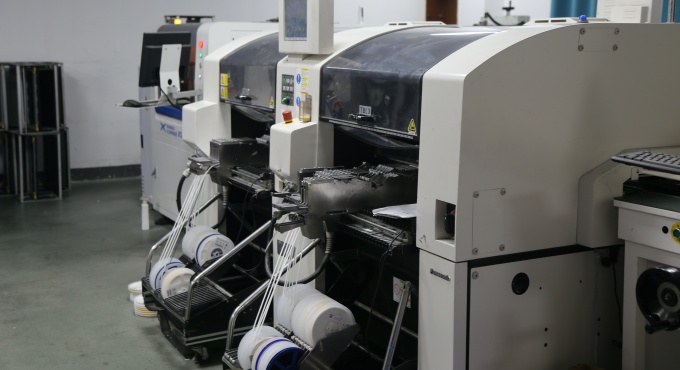
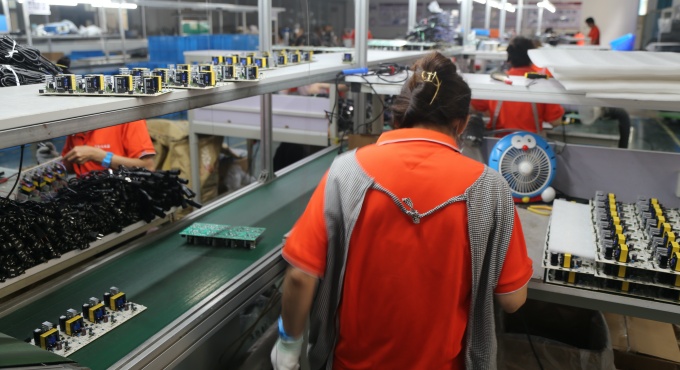
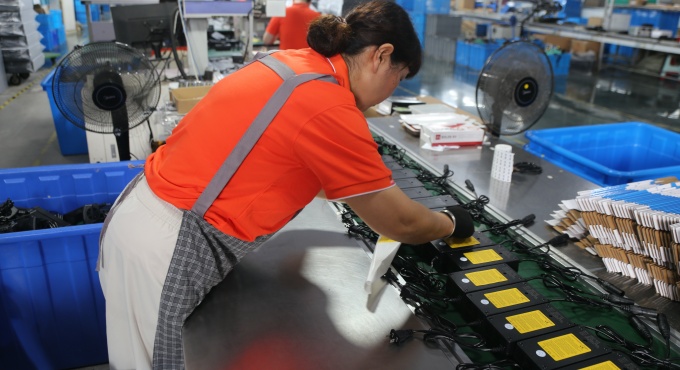
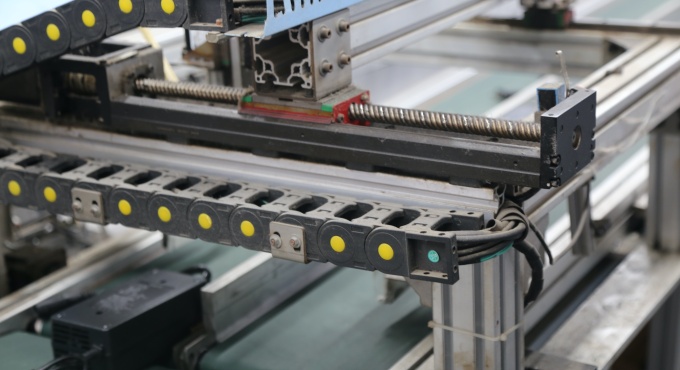
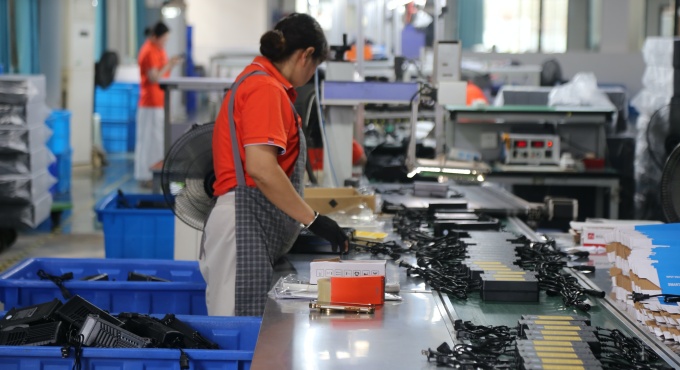
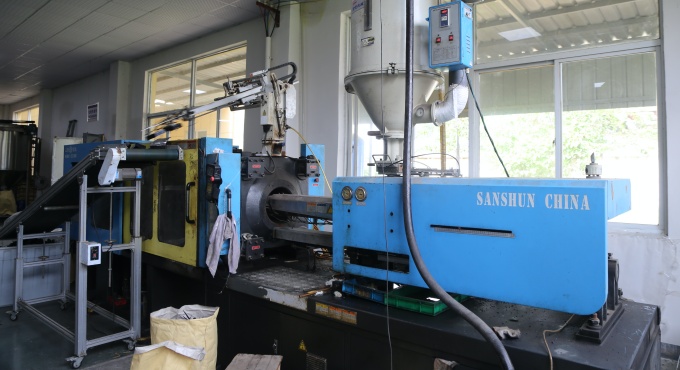
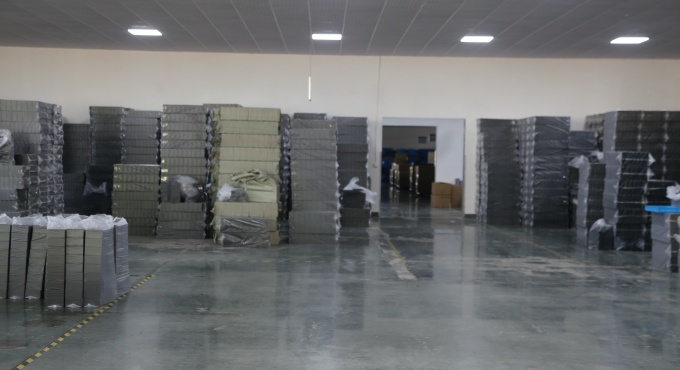
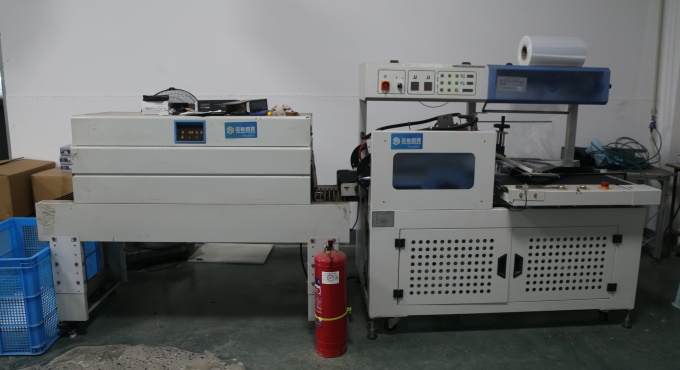
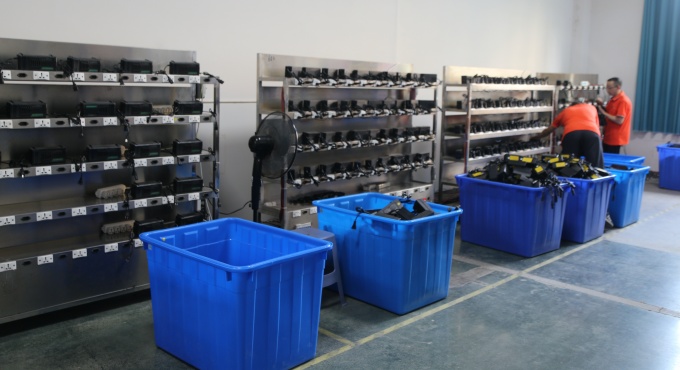
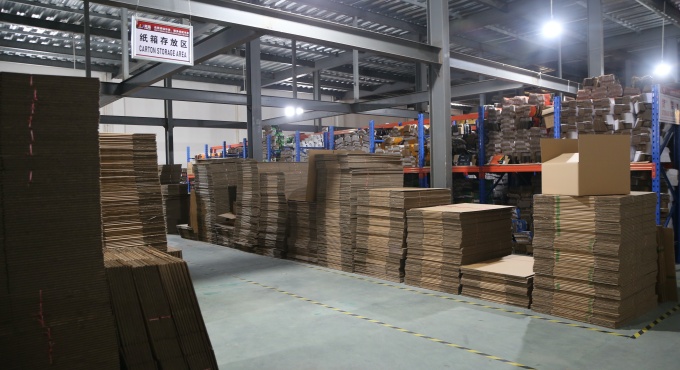
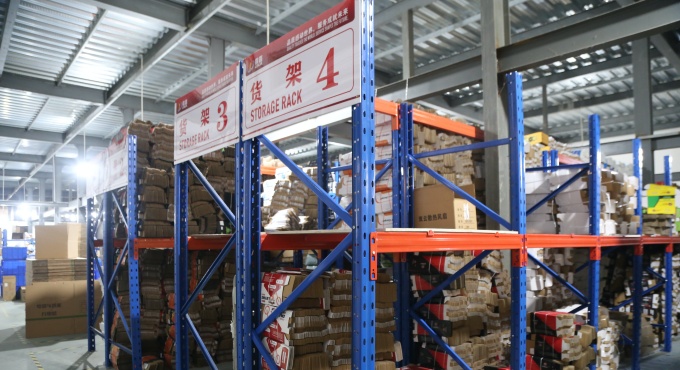
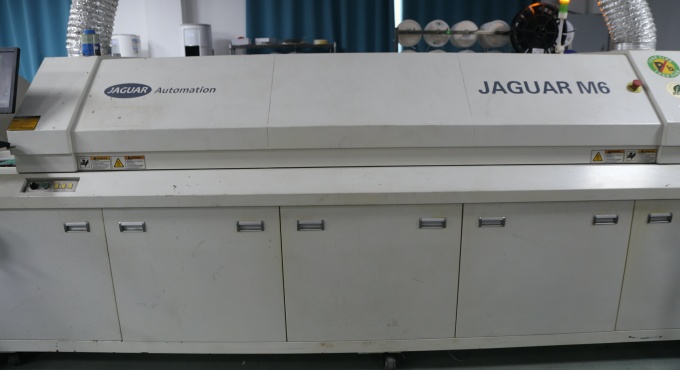
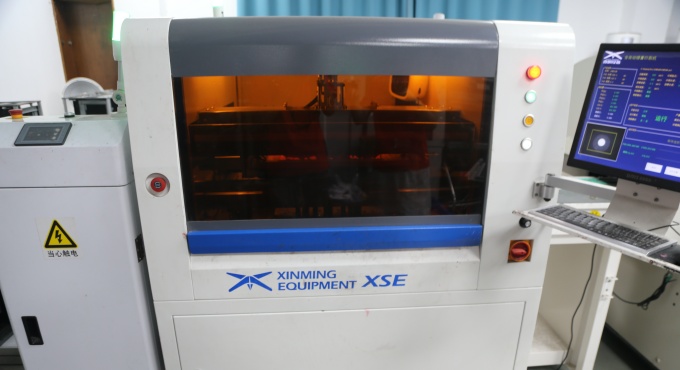
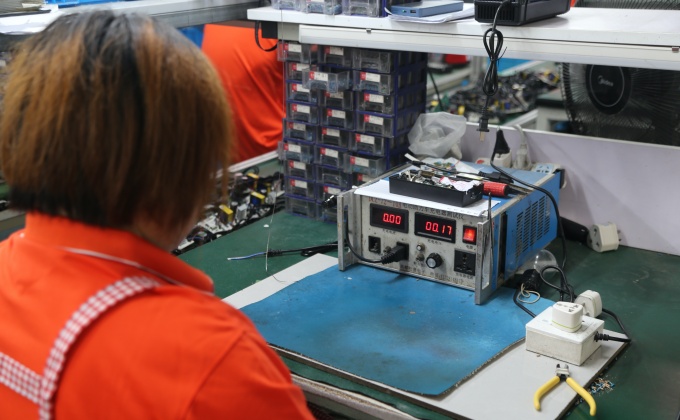
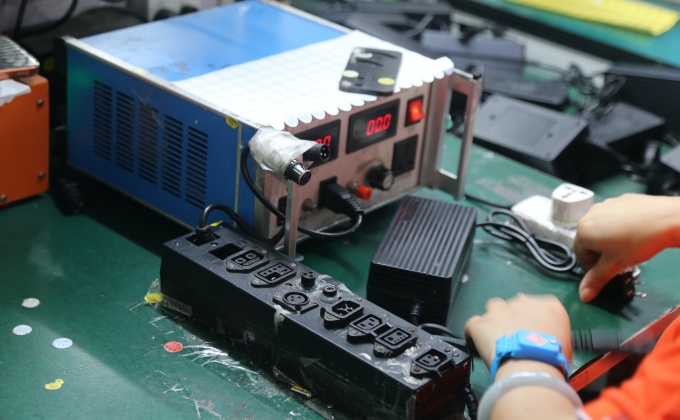
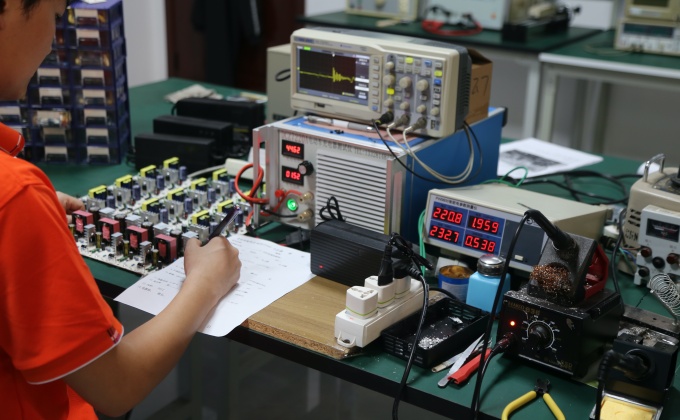
For wholesale and mass-production orders, an approved sample must be translated into a repeatable production specification. Linjia’s quality process includes incoming-material inspection, semi-finished testing, finished-product electrical testing, high-voltage insulation testing, and full-load burn-in. Together with checks on confirmed connectors, labels, and packaging, these procedures help reduce batch inconsistencies before shipment.
Professional 6V Lead-Acid Battery Charger Manufacturer in China
Frequently Asked Questions About 6V Lead‑Acid Battery Chargers
What Are the Main Differences Between a 6V Lead‑Acid Battery Charger and a General 6V Charger?
A charger should not be selected only because both the battery and charger are marked “6V.” Battery chemistry, required charging voltage, battery capacity, charging current, connector, polarity, and charging profile all affect compatibility.
Linjia’s 6V lead‑acid battery charger range is intended for compatible 6V lead‑acid batteries. The current catalogue includes 1.2A and 1.8A models with a DC6–7.3V output range. A charger designed for another battery chemistry should not be substituted without checking the complete battery specification.
In Which Applications Are 6V Lead‑Acid Battery Chargers Usually Used?
These chargers are intended for selected small‑capacity 6V lead‑acid battery systems used in compatible battery‑powered equipment, replacement‑charger programs, and battery product packages.
For B2B buyers, the application name alone is not enough to select a model. Battery capacity, required charging voltage, charging current, connector, polarity, local AC input, and actual operating conditions should also be confirmed before ordering.
Does the 6V Lead‑Acid Battery Charger Support Customization According to Project or Brand Requirements?
Yes. Linjia supports OEM and ODM battery charger projects according to the battery, equipment interface, destination market, and branding requirements.
Customization can cover AC input, plug type, output connector, cable specification, polarity, pin definition, product label, logo, manuals, and packaging. Where deeper development is required, the electrical and structural configuration can be reviewed according to the project and engineering feasibility.
What Battery Capacities Are Recommended for the 6V 1.2A and 6V 1.8A Chargers?
The current catalogue lists the 6V 1.2A model for selected 6V 6–10Ah lead‑acid battery packs and the 6V 1.8A model for selected 6V 12–17Ah lead‑acid battery packs.
These ranges are useful for initial selection, but they are not the only criteria. The battery manufacturer’s required charging voltage, permitted charging current, battery condition, and target charging time should still be reviewed before sample approval or bulk production.
What Are the Common Charging Configurations for 6V Lead‑Acid Batteries?
This landing page focuses on two standard current configurations: 6V 1.2A and 6V 1.8A. Both are listed with a DC6–7.3V output range, while their principal difference is output current and recommended battery‑capacity range.
A higher current is not automatically the better choice. The correct OEM battery charger should be selected according to the actual battery specification and allowable charging current.
What Battery Types Can These 6V Chargers Be Used With?
This page specifically covers chargers for compatible 6V lead‑acid batteries. They should not be assumed to be interchangeable with chargers for lithium or other battery chemistries.
Lithium batteries require charging parameters matched to the battery chemistry, series configuration, full‑charge voltage, and BMS requirements. If the project uses another battery type, buyers should provide the complete battery specification for a separate charger evaluation.
What AC Input Configurations Are Available for 6V Lead‑Acid Battery Chargers?
The current catalogue lists AC110V, AC220V, and AC110–220V input options at 50–60Hz.
The exact input version should be confirmed for the selected model and order. Importers and distributors should also confirm the destination market, local mains conditions, and plug type before production rather than assuming one input configuration is suitable for every market.
What Plugs, Connectors, and Cables Can Be Matched?
Different markets and equipment may require different AC plugs, output connectors, cable lengths, wire specifications, polarity, or pin definitions.
For a custom battery charger project, buyers can provide a connector photo, drawing, dimensions, polarity, pin definition, or equipment‑interface specification. Confirming these details before sampling helps reduce connector and polarity errors in bulk orders.
What Branding and Packaging Options Are Available for OEM Orders?
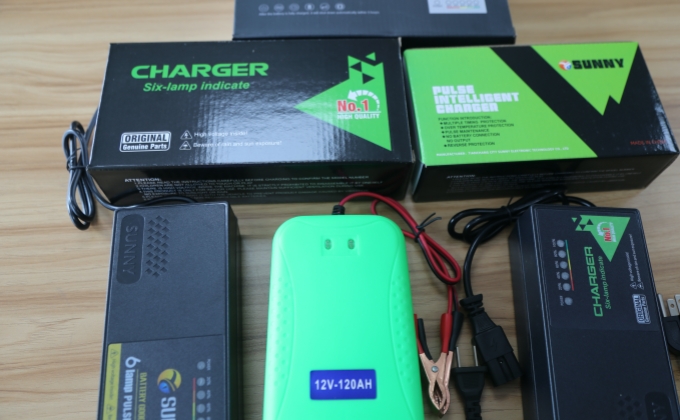
OEM battery charger projects can include customized product labels, customer logos, model information, manuals, packaging, and market‑language requirements, subject to the confirmed project and production feasibility.
For importers, wholesalers, battery brands, and regional distributors, defining these details before mass production helps keep the product, packaging, and downstream sales materials consistent across the order.
What Is the Difference Between the 6V 1.2A and 6V 1.8A Chargers?
The principal difference is charging current and recommended battery‑capacity range. The 6V 1.2A model is listed at DC1.2±0.2A for selected 6V 6–10Ah battery packs. The 6V 1.8A model is listed at DC1.8±0.2A for selected 6V 12–17Ah battery packs.
Both models are listed with a DC6–7.3V output range. Higher current is not automatically better; final selection should follow the actual battery charging specification.
Do the 6V Lead‑Acid Chargers Include Protection Functions?
Yes. The current catalogue lists overvoltage protection, overcurrent protection, short‑circuit protection, and reverse‑connection protection for the 6V lead‑acid charger range.
If a project requires additional protection or charging functions, those requirements should be discussed during specification confirmation rather than assumed to be included in every standard configuration.
How Does the Charger Respond to Reverse Connection or an Output Short Circuit?
Reverse‑connection protection and short‑circuit protection are listed for the current 6V lead‑acid charger range. These functions are intended to help protect the charger under specified abnormal connection conditions.
Protection functions do not replace correct installation and use. Connector polarity and pin definition should still be confirmed before production, and damaged batteries, cables, or connectors should not be repeatedly connected for testing.
What Level of Input‑Power Adaptability Can Be Provided?
The standard catalogue provides AC110V, AC220V, and AC110–220V input options at 50–60Hz, but actual power conditions can differ between countries and regions.
For markets with voltage fluctuation or other demanding grid conditions, buyers should provide the destination market and expected operating conditions during project review. Linjia can evaluate the input‑voltage configuration and related protection requirements according to the project rather than making a universal claim for every model.
Can Charger Configuration Be Adjusted for Different Operating Environments?
The current catalogue lists an operating temperature range of −20°C to +50°C for the 6V charger series. Actual operation can also be affected by ventilation, dust, charging duration, enclosure conditions, and local power quality.
For projects with special environmental requirements, buyers should provide the operating conditions in advance. Linjia’s broader ODM capability can review input range, thermal structure, component configuration, housing, cable, and protection requirements according to engineering feasibility.
What Is the Expected Service Life of a 6V Lead‑Acid Battery Charger?
There is no single service‑life figure that accurately applies to every charger and application. Actual life depends on ambient temperature, grid conditions, charging duration, ventilation, battery condition, load level, component configuration, and how the charger is used.
For this reason, a fixed number of years should not be used as a universal purchasing claim. Buyers with demanding duty cycles should provide the expected operating conditions during project evaluation.
Is It Easy for a Charger to Develop Cable, Connector, or Thermal Problems During Long‑Term Use?
Long‑term reliability can be affected by excessive heat, unstable input power, poor ventilation, repeated abnormal loading, damaged cables or connectors, incorrect battery matching, or continued charging of an abnormal battery.
For OEM and wholesale projects, the charger should be evaluated as part of the complete battery system. Correct electrical matching, suitable protection configuration, thermal design, standardized manufacturing, and burn‑in testing can help reduce avoidable field problems.
How Should a 6V Lead‑Acid Battery Charger Be Used and Maintained?
Use the charger only with the battery type and specification for which it has been configured. Keep ventilation areas unobstructed and periodically check the AC cable, output cable, plug, connector, and housing for visible damage.
If abnormal heating, damaged wiring, a loose connector, or unusual charger behavior is found, use should be stopped and the system checked before reconnecting it to the battery. Correct use and basic inspection help reduce avoidable damage and after‑sales issues.
Get an Instant Quote Now
We’re Here to Answer Your 6V Charger Questions
What Is Your Typical Production Lead Time?
Lead time depends on order quantity, specification confirmation, and customization requirements. Standard configurations generally require less preparation, while custom connectors, labels, packaging, or ODM changes may require additional development or production time. The final schedule should be confirmed with the quotation or order arrangement.
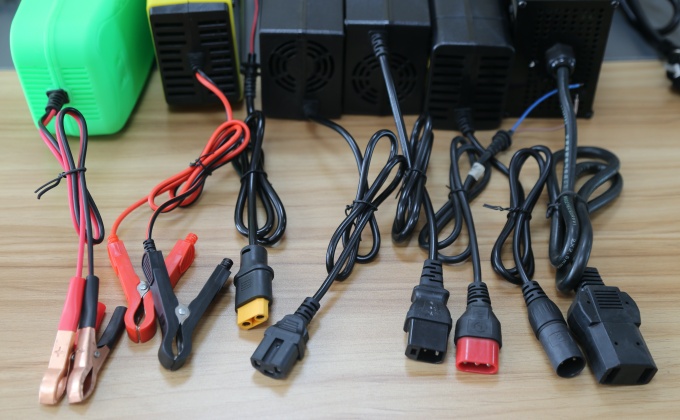
Can You Supply Plugs, Connectors, and Cables with the Charger?
Yes. Linjia can review AC plugs, output connectors, cable specifications, polarity, and pin definitions according to your battery, equipment interface, and destination market. These details should be confirmed before sample approval and mass production.
Can You Produce 6V Chargers for Our Local Market Requirements?
Yes. AC input, plug type, connector, cable, label language, and other specifications can be reviewed according to the destination market. If a project requires specific certification or testing documentation, the applicable scope should be confirmed for the selected model and market before production.
Do You Support OEM or Private-Label Battery Charger Orders?
Yes. Linjia supports OEM battery charger and ODM projects. Product labels, customer logos, model information, manuals, packaging, connectors, cables, and other confirmed project elements can be customized according to production feasibility.
What Are Your Payment Terms?
Payment terms are confirmed according to the order quantity, product specification, customization requirements, and commercial agreement. Please contact us for the applicable terms for your project.