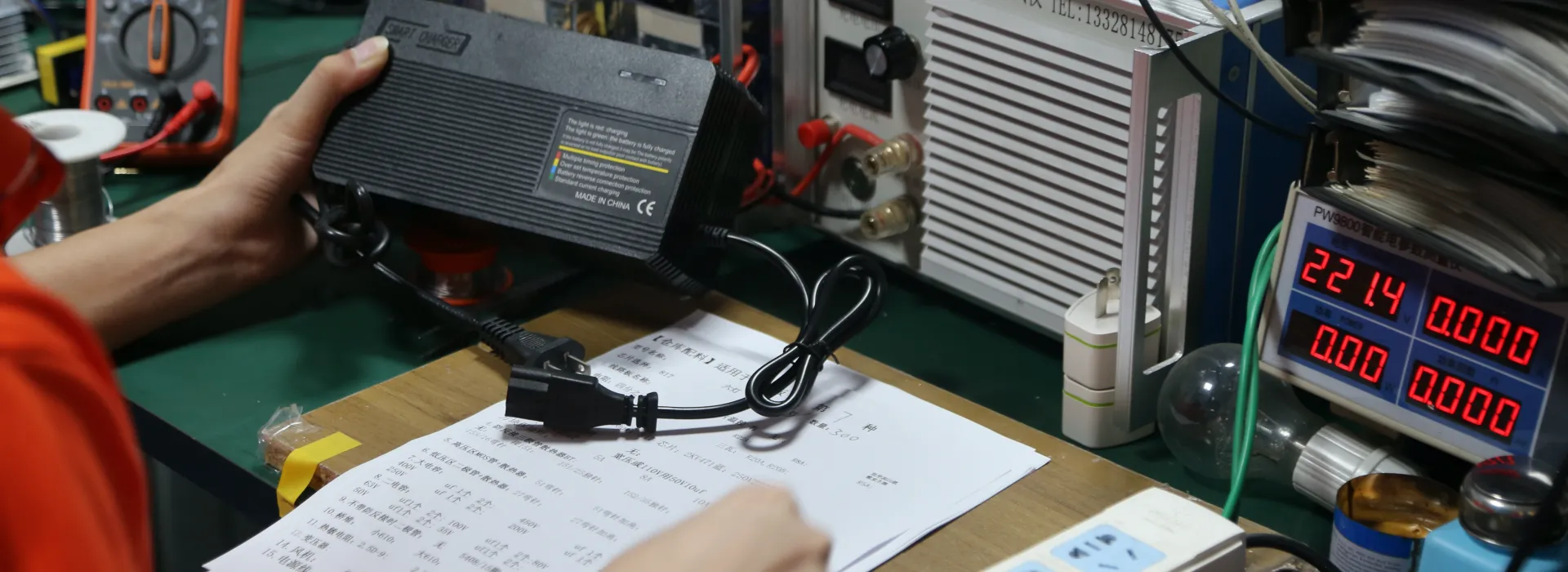
Custom Mobility Scooter Battery Charger Manufacturer in China
Linjia supports OEM/ODM and bulk charger projects for mobility scooter manufacturers, battery brands, importers and distributors. Evaluation includes the catalogue 24V12Ah and 24V20Ah lead-acid models, rated at 1.9A and 2.8A, plus a website-listed 24V3A lithium-ion configuration for compatible 7S packs. Battery subtype, charging voltage, connector, polarity, and local AC supply are reviewed before approval. A dedicated 24V-class LiFePO4 charger remains a custom project requiring a confirmed model specification and BMS compatibility review.
International Brands We Collaborate With



Professional Mobility Scooter Battery Charger Supplier in China
Mobility scooters used for personal mobility assistance need charging systems matched to the battery, scooter interface, and intended user environment. Portable folding scooters, conventional three-wheel models, and larger four-wheel scooters can use different battery capacities and charging arrangements. Linjia works with mobility scooter manufacturers, battery brands, importers, distributors, and replacement-parts channels that need battery and interface matching, OEM/ODM customization, and consistent bulk supply. This application concerns seated mobility assistance scooters, with specifications assessed for the particular vehicle and battery platform.
The four product positions cover the catalogue 24V12Ah lead-acid model, the catalogue 24V20Ah lead-acid model, the website-listed 24V3A lithium-ion configuration, and a custom 24V-class LiFePO4 project. The lead-acid models list 1.9A +/- 0.2A for selected 10-17Ah packs and 2.8A +/- 0.2A for selected 17-28Ah packs, both with a DC 24-29.6V catalogue range. Their AGM or GEL suitability depends on the specific battery's approved charging profile. A dedicated LiFePO4 model code has not been verified. Selected 36V folding-scooter projects remain supplementary development enquiries.
Battery chemistry determines the charging profile. A 7S pack using 4.2V full-charge cells has a 29.4V charging reference, while an 8S LiFePO4 pack is nominally 25.6V with a 29.2V reference. Those similar values do not make the chargers interchangeable. For every project, Linjia reviews the permitted voltage, charging current, termination behavior, connector, polarity, and BMS limits where applicable. AC 110V, AC 220V, or AC 110-220V input at 50-60Hz can be evaluated with the regional plug and required cable configuration.
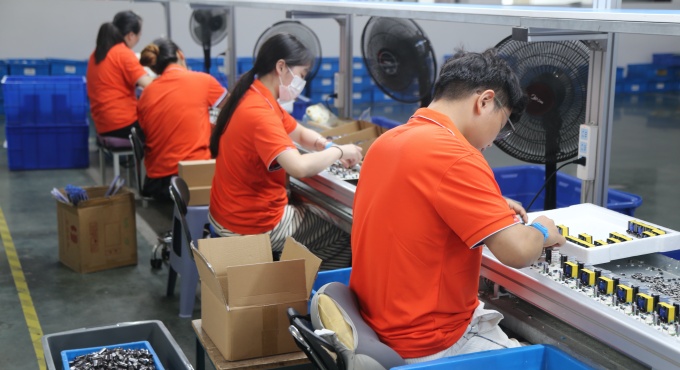
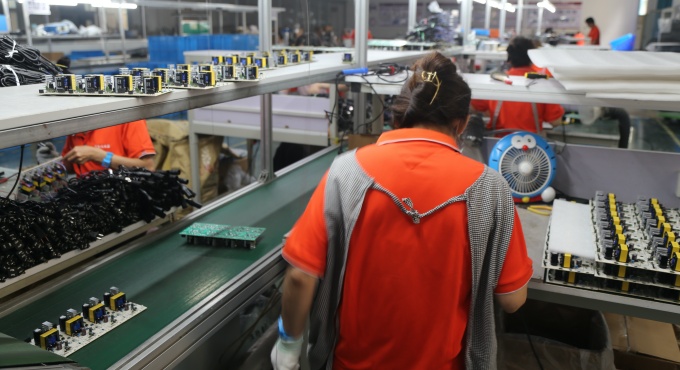
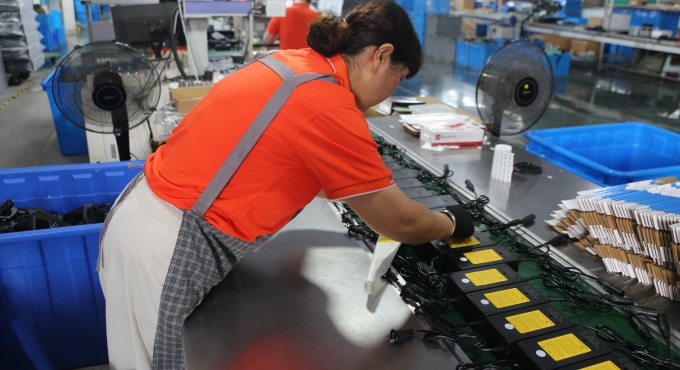
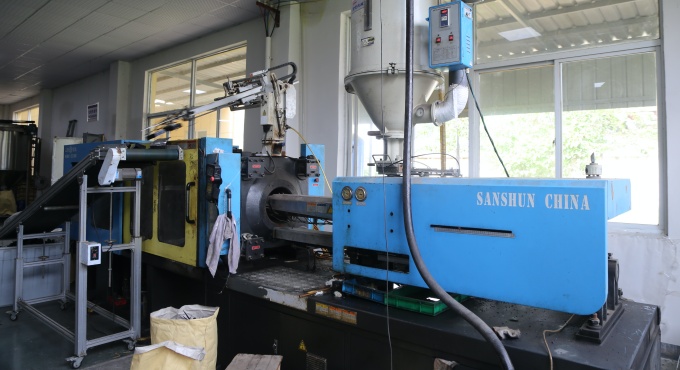
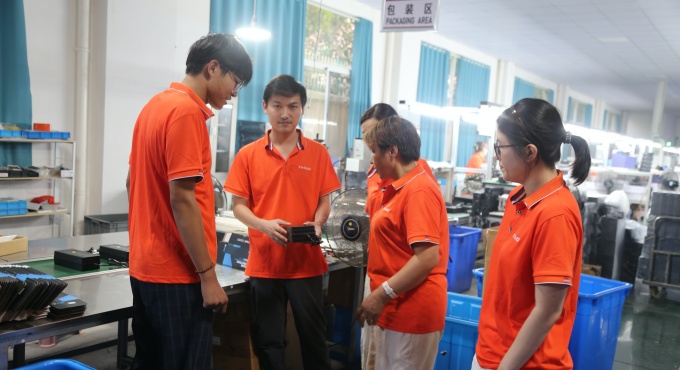
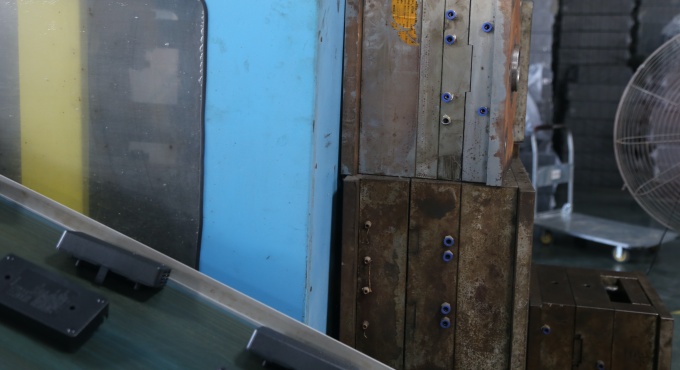
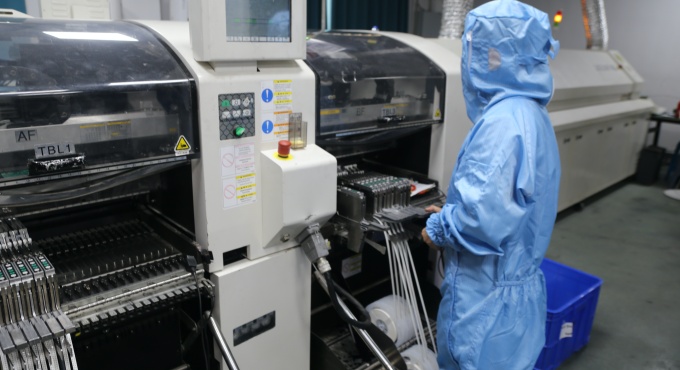
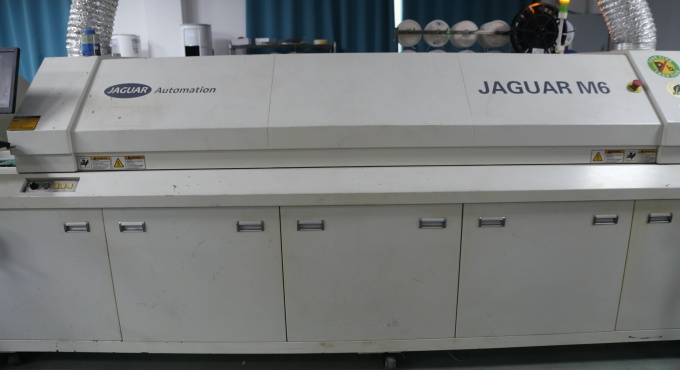
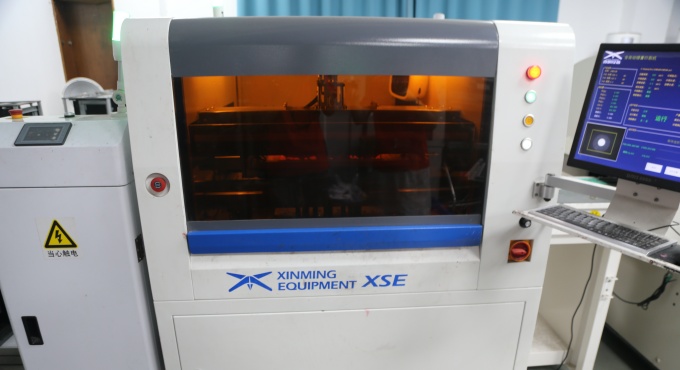
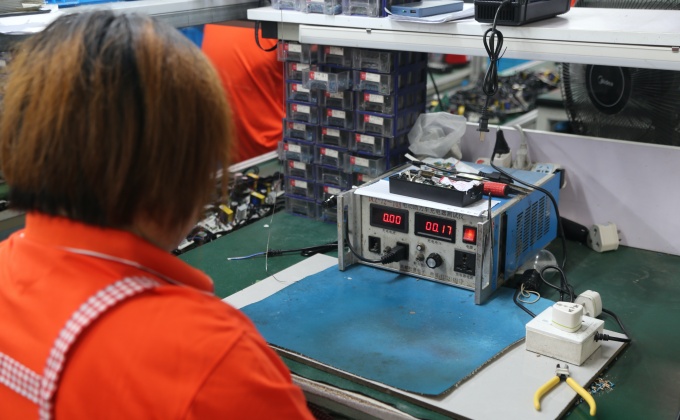
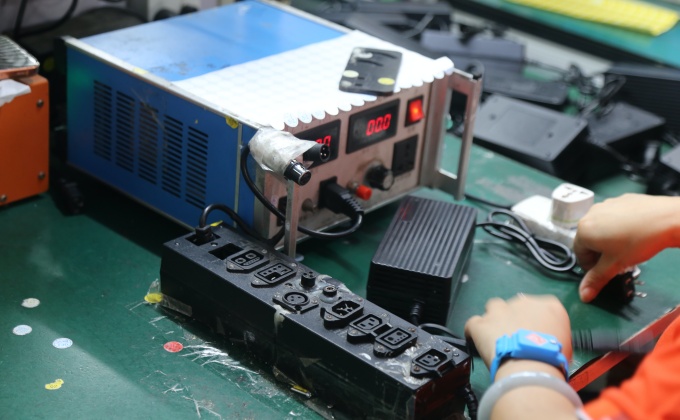
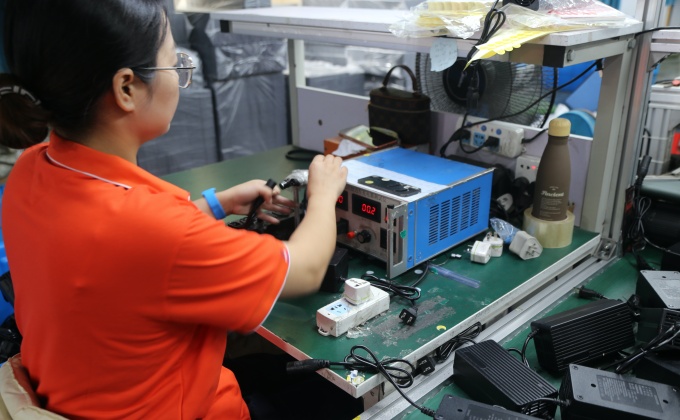
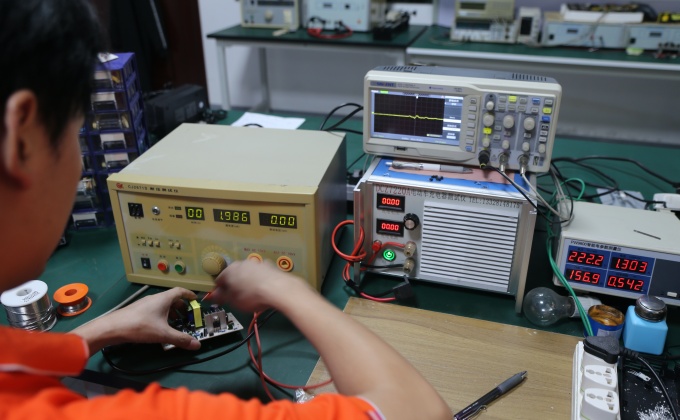
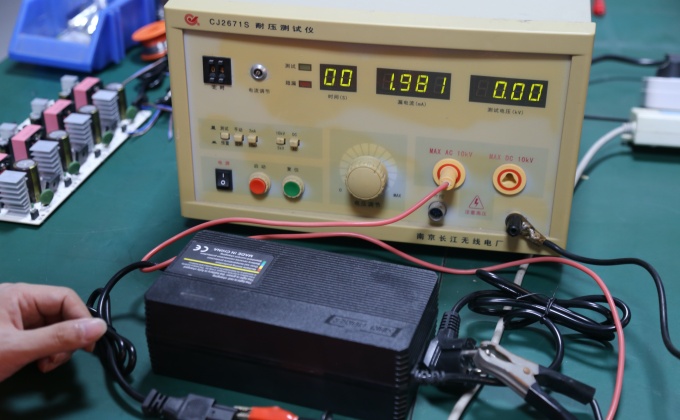
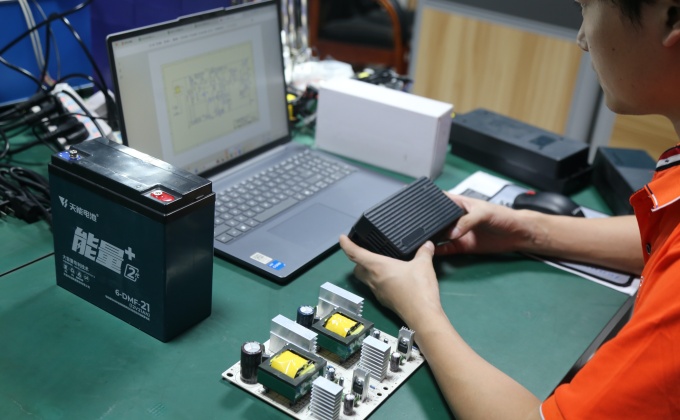
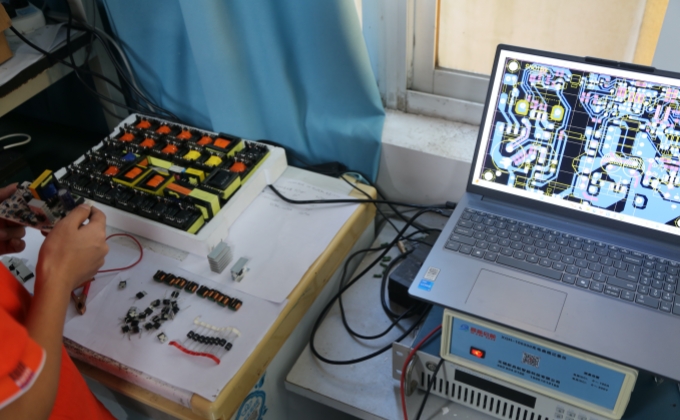
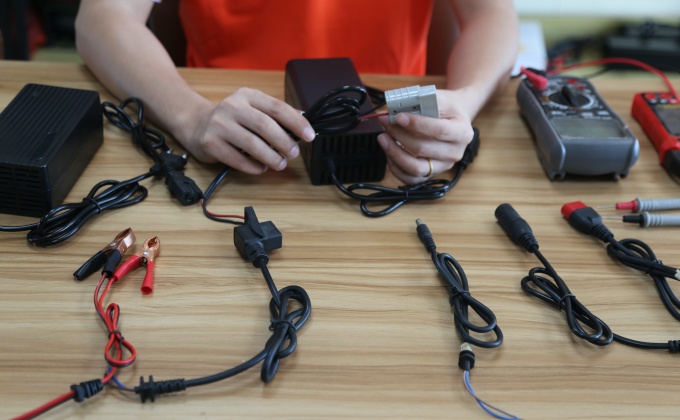
Linjia provides OEM and ODM support from specification review and sample development to SMT production, housing manufacturing, assembly, electrical performance testing, high-voltage insulation testing, full-load burn-in, bulk delivery, and repeat-order coordination. Labels, logos, packaging, indicator behavior, and structural requirements can be reviewed within the project scope. Suitability for a regulated mobility product, applicable safety standards, and certification requirements must be determined for the exact charger and destination market. General battery-charger manufacturing capability does not establish medical-device certification for a new model.

24V12Ah Lead-Acid Mobility Scooter Battery Charger
The catalogue 24V12Ah model lists DC 24-29.6V output and 1.9A +/- 0.2A current for selected 24V 10-17Ah lead-acid packs. It is a candidate for compatible portable mobility scooter projects. The AGM or GEL charging profile, scooter connector, polarity, and any charge-inhibit signal must be approved for the actual battery and vehicle.
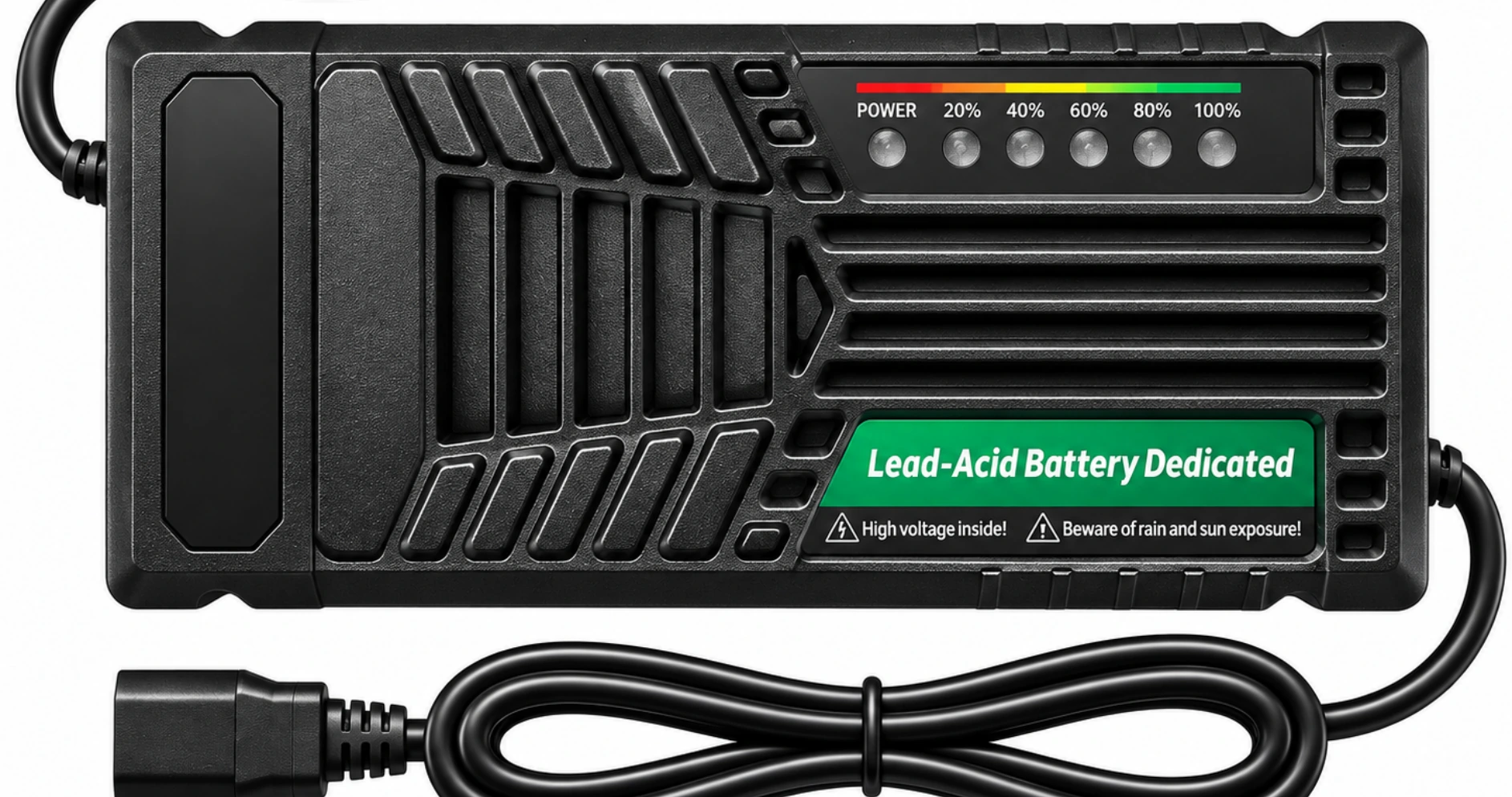
24V20Ah Lead-Acid Mobility Scooter Battery Charger
The catalogue 24V20Ah model lists DC 24-29.6V output and 2.8A +/- 0.2A current for selected 24V 17-28Ah lead-acid packs. It provides a higher-current catalogue option for compatible scooter batteries. Battery subtype, charging stages, maintenance behavior, connector, and local power supply are confirmed before the configuration is approved.
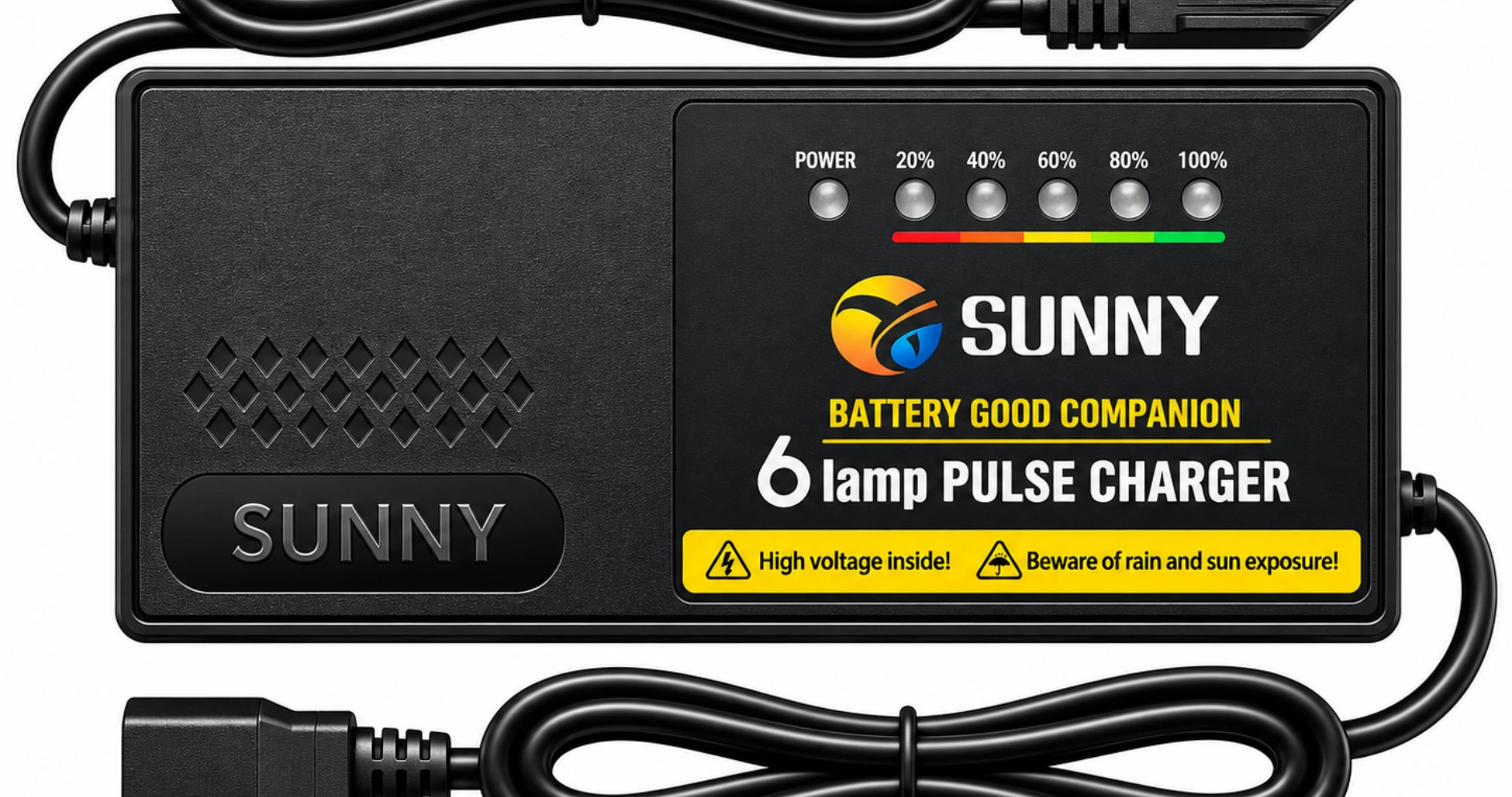
24V3A Lithium-Ion Mobility Scooter Battery Charger
The website-listed 24V3A lithium-ion configuration specifies 29.4V output and 3A current for compatible 7S packs. It is a candidate for scooter batteries whose cell chemistry and BMS permit that charging profile. Pack capacity, BMS current limit, connector, polarity, and scooter-side controls require confirmation; this is not an 8S LiFePO4 specification.
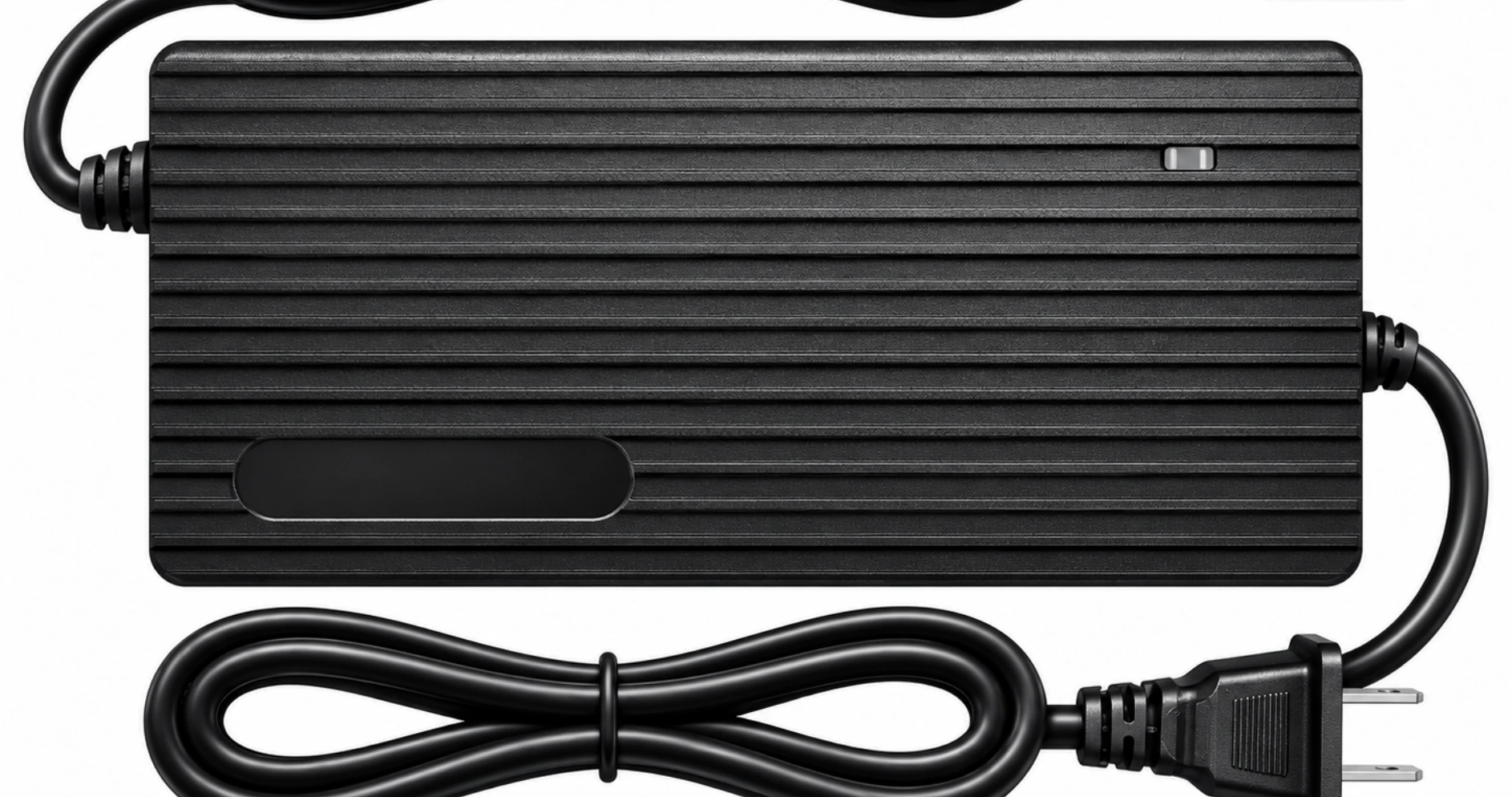
Custom 24V-Class LiFePO4 Mobility Scooter Battery Charger
A custom development category for scooters approved to use a verified 8S LiFePO4 battery, nominally 25.6V with a 29.2V full-charge reference when specified. A dedicated model code and rated current have not been verified in the available catalogue. Battery, BMS, scooter interface, and sample qualification must be confirmed before supply approval.

AGM and GEL Charging-Profile Matching
The sealed lead-acid subtype and battery instructions guide voltage, charging stages, current, and maintenance behavior for the scooter's actual battery pack.

Lithium Chemistry and BMS Verification
Lithium projects require confirmed cell chemistry, series count, charging voltage, BMS current limits, and temperature conditions before a charging configuration is developed.
Market-Specific Input Configuration
AC input, regional plug, cable arrangement, and intended charging location are reviewed for mobility scooter brands and distributors serving different destination markets.

Controlled Scooter Interface and Batch Quality
Charging-port polarity, pin definitions, cable specification, and any inhibit signal are checked against the approved interface, supported by electrical, insulation, and burn-in testing.
How Correct Charger Matching Supports Mobility Scooter Use
The charger must replenish the battery within its permitted charging conditions and the user's available charging time. Matching the battery subtype, current, connector, and termination behavior helps reduce incomplete charging and avoidable interruptions. For scooter brands and distributors, confirming the complete interface before production also reduces the risk of supplying a replacement charger that fits mechanically but uses the wrong electrical configuration.
Configuration Options for Different Mobility Scooter Projects
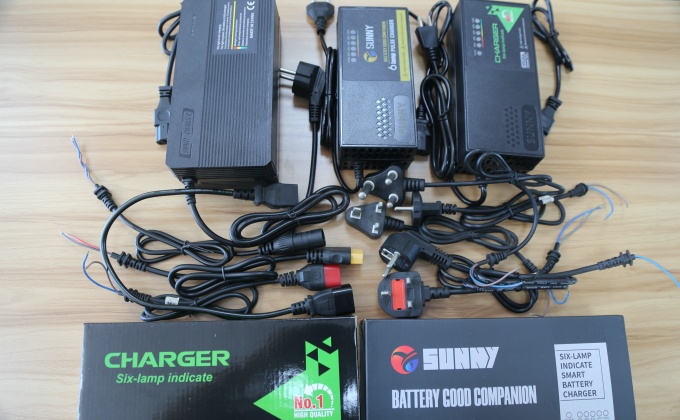
Folding portable scooters, conventional three-wheel models, and larger four-wheel scooters can require different battery capacities, cable lengths, plugs, and charging-port arrangements.
Linjia can evaluate electrical settings, indicators, connectors, cables, housings, labels, and packaging around the approved battery and vehicle design. A charging connection through the scooter and one directly to a removable pack must each follow their own defined interface.
Long-Term Stability Through Factory Control
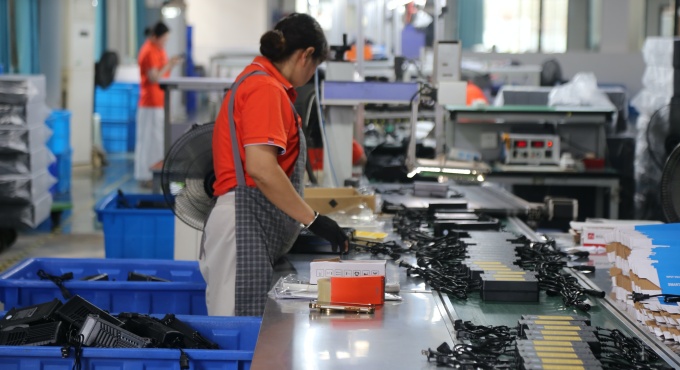
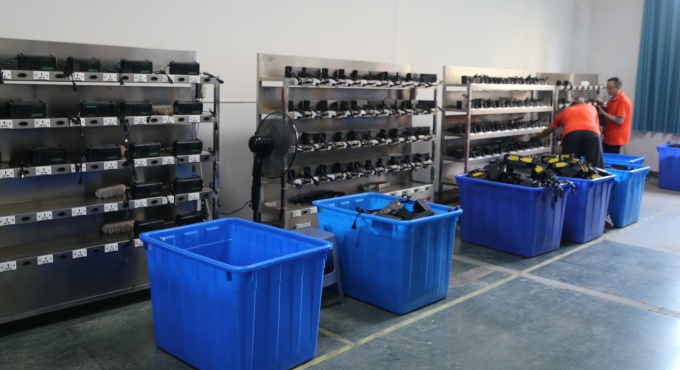
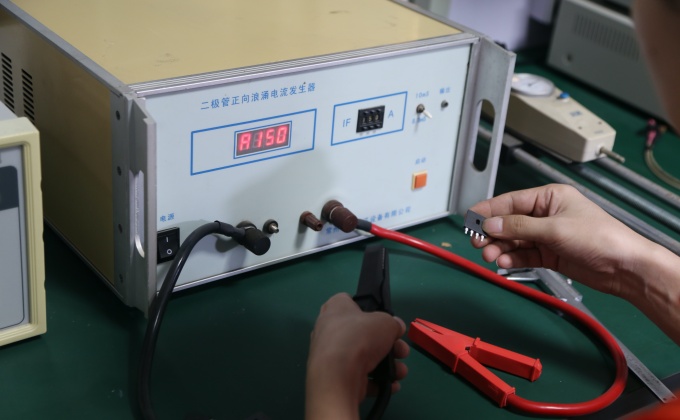
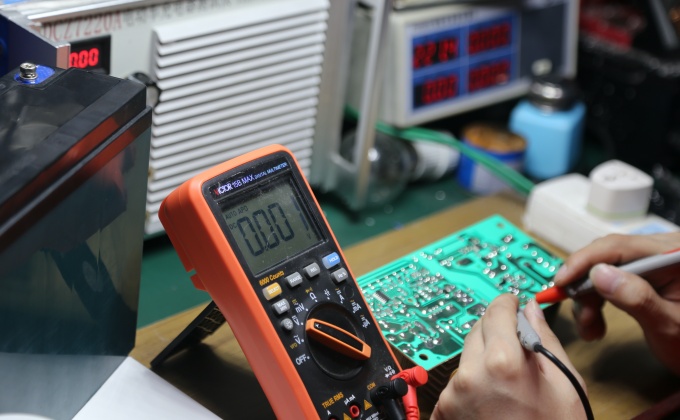
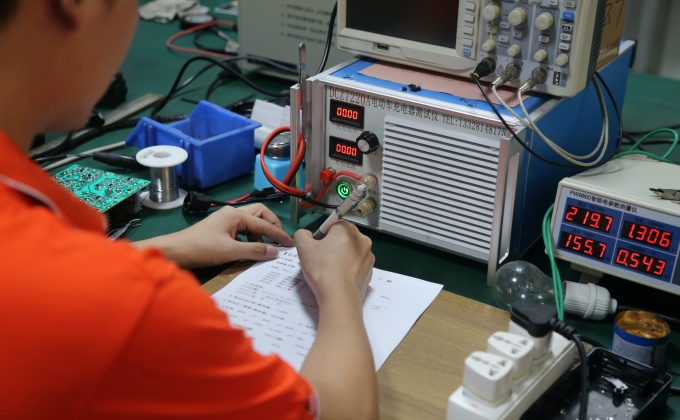
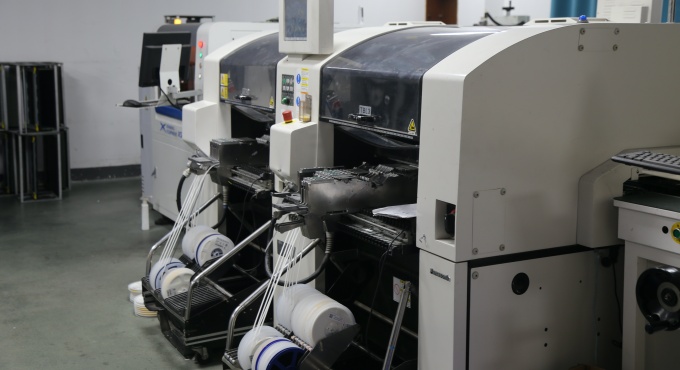
Linjia controls PCB production, housing manufacturing, assembly, and testing, with an approved specification and sample used as the production reference. Semi-finished checks, finished-product electrical testing, high-voltage insulation testing, and full-load burn-in help identify manufacturing faults before shipment. Approved battery profiles, connector definitions, polarity, cables, labels, and packaging provide a common reference for shipment checks and repeat orders across mobility scooter and replacement-parts product lines.


Professional Mobility Scooter Battery Charger Manufacturer in China


Mobility Scooter Battery Charger Selection, Customization, and Use Guide
What Are the Main Differences Between an AGM, GEL, and Lithium Mobility Scooter Charger?
AGM and GEL are different sealed lead-acid battery types and may need different charging voltages and stage settings. Lithium-ion and LiFePO4 packs require profiles matched to their cell chemistry, series count, and BMS.
A similar nominal voltage or charging connector does not establish interchangeability. For a replacement or new scooter project, the battery supplier's instructions should determine the charger settings. A lead-acid charging profile, including any recovery or maintenance function, should not be carried over to lithium without an approved system design.
In Which Applications Are Mobility Scooter Battery Chargers Usually Used?
They are used with compatible three-wheel and four-wheel mobility assistance scooters, portable travel scooters, folding scooters, and their approved removable battery packs. Buyers can include scooter manufacturers, battery brands, importers, distributors, dealers, and replacement-parts suppliers.
The charging requirement depends on the battery and vehicle interface rather than the number of wheels or overall scooter size. Each product line needs a defined chemistry, voltage, current, connector, and charging arrangement before a charger can be specified for bulk supply.
Does the Mobility Scooter Battery Charger Support Customization for Vehicle or Brand Requirements?
Yes. Linjia can review charging parameters, AC input, plugs, output connectors, cables, housings, labels, logos, product codes, and packaging for OEM and ODM work.
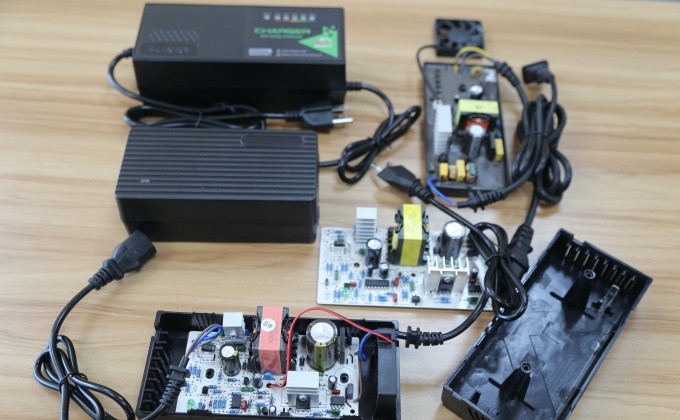
Indicator behavior and structural requirements can also be evaluated. Any scooter charging-inhibit signal, battery identification function, or communication requirement needs a clear electrical definition and feasibility review. Development begins with the battery specification and scooter-side interface, followed by testing of the proposed sample with the actual system before the configuration is approved.
What Are the Main Charger Configurations Covered on This Page?
The 24V12Ah lead-acid catalogue model lists 1.9A +/- 0.2A current for selected 10-17Ah packs, while 24V20Ah lists 2.8A +/- 0.2A for selected 17-28Ah packs. Both list a DC 24-29.6V range, with AGM or GEL profile suitability checked against the actual battery instructions.
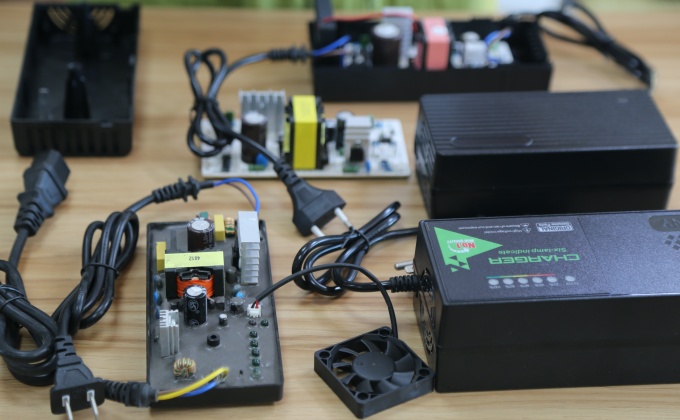
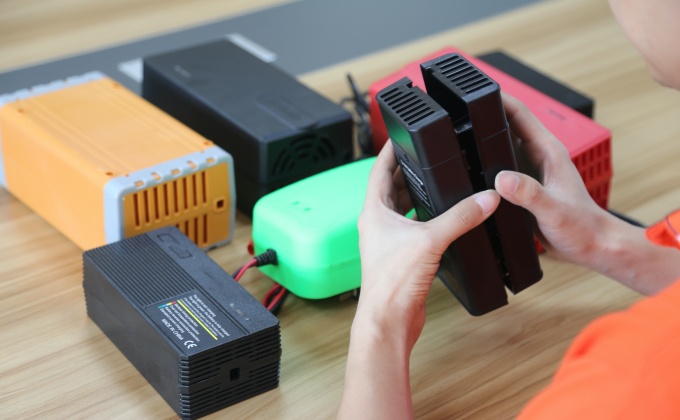
The website-listed 24V3A lithium-ion configuration uses 29.4V for compatible 7S packs. A dedicated 8S LiFePO4 model remains to be confirmed. In the lead-acid model names, Ah is the catalogue designation for battery matching; it is not the charging current.
What Charger Structures Are Suitable for Mobility Scooter Projects?
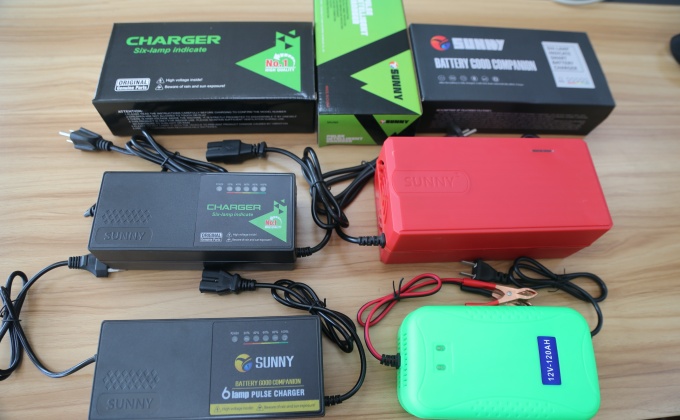
External enclosed chargers are relevant where the scooter or removable battery pack connects to a separate charging unit. The design must account for placement, cable routing, ventilation, indicator visibility, and the approved connection method.
Naturally cooled structures can suit appropriate lower-power applications, while other thermal designs may be needed at higher power. Linjia can evaluate housing and structural options against the project specification. A unit designed for external use must not be installed inside a closed scooter compartment without a separate thermal and installation assessment.
What Battery Information Is Required Before Selecting a Mobility Scooter Charger?
Provide the scooter make and model, battery chemistry and subtype, nominal pack voltage, capacity in Ah, required charging profile, and permitted charging current. Photos of the original charger label, battery label, and charging port are useful, along with a verified pinout and polarity.
Lithium projects also need the cell configuration, BMS limits, and temperature or communication requirements. Specify whether charging takes place through the scooter or directly to a removable pack, then provide the local AC supply, plug type, and required quantity.
What Housing and Cooling Systems Are Suitable for Mobility Scooter Chargers?
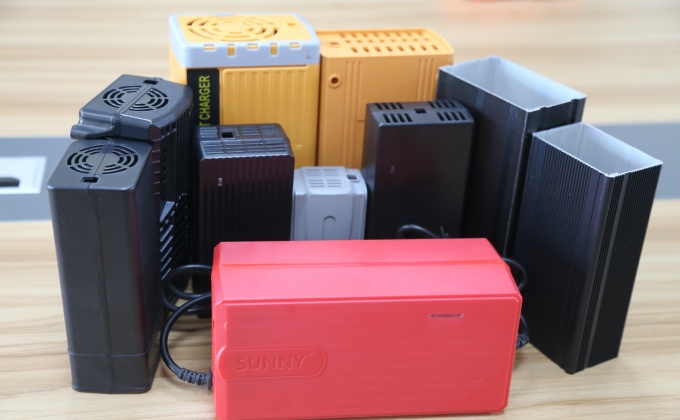
Housing and cooling should match electrical power, charging duration, ambient temperature, and the intended placement. Natural cooling needs free airflow around the enclosure; a compact plastic housing still requires sufficient thermal margin.
Fan-cooled designs need consideration of noise, ventilation, dust, and maintenance. Aluminum or potted structures can be evaluated where appropriate, but material choice alone does not establish safety or environmental performance. The approved sample should be tested in the expected charging arrangement, including any limited space around the unit.
Which Plugs, Connectors, and Cable Options Can Be Customized?
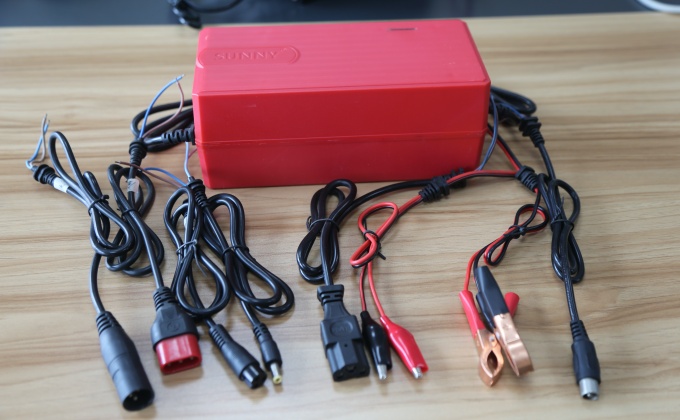
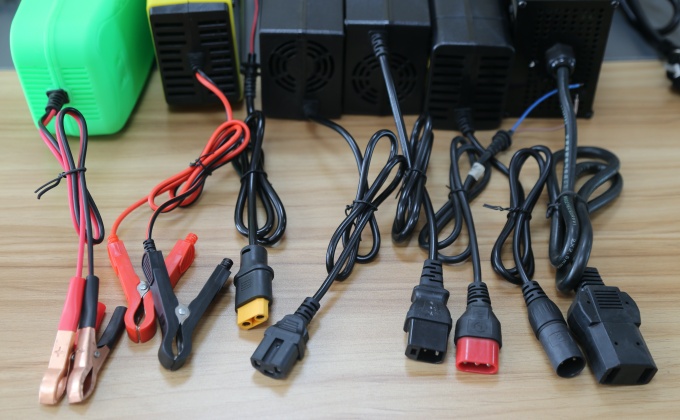
Linjia can evaluate regional AC plugs, DC connector type, cable length, conductor specification, strain relief, polarity, and pin assignment. A multi-pin scooter connector may include a contact for charge inhibition or another function, so the housing shape does not reveal the complete electrical definition.
Provide an approved drawing, marked sample, or verified pinout. If the same battery can be charged both on and off the scooter, confirm the interface for each route instead of assuming one cable configuration suits both.
Which Charging-Profile Parameters Can Be Customized?
Project review can cover current, stage voltages, transitions, termination, timing, indicator behavior, and protection logic. AGM and GEL parameters must follow the battery manufacturer's instructions, including any permitted maintenance stage.
Lithium profiles require the correct chemistry and series count, plus the BMS charge limit and allowed temperature conditions. Continuous float, equalization, recovery pulses, or automatic restart should never be assumed suitable across all battery types. The selected circuit and sample testing determine which functions can be implemented for the project.
How Should Charging Current Be Matched to Mobility Scooter Battery Capacity?
Start with the battery manufacturer's recommended current and the scooter supplier's charging requirements. Larger-capacity batteries can have different current limits, but a higher Ah figure alone does not authorize a larger charger.
Check the BMS where fitted, connector and cable ratings, thermal conditions, and the available charging period. Two equal 12V batteries connected in series form a 24V pack with the same Ah capacity as one battery. Final current selection should be verified with the complete pack and approved charging profile.
What Safety Protections Should a Mobility Scooter Battery Charger Include?
Define the required output overvoltage, overcurrent, short-circuit, overtemperature, reverse-connection, and timing behavior for the selected design. Any charge-inhibit or battery-temperature function also needs a clear specification.
Linjia's production checks include electrical performance, high-voltage insulation, and full-load burn-in, while project qualification must address the actual scooter and battery interface. Applicable safety and regulatory requirements vary by product and market. A generic protection list or a certificate for another charger does not establish approval for a new mobility scooter configuration.
How Do the Charger and the Battery BMS Work Together?
The charger supplies the approved charging voltage and current. A lithium battery BMS monitors pack conditions and can stop or restrict charging when its programmed limits are reached.
AGM and GEL packs may use different monitoring arrangements and should not be assumed to contain a lithium-style BMS. For lithium projects, confirm charge-current limits, voltage, temperature restrictions, restart behavior, and any communication or enable signal. The BMS cannot correct the wrong charger profile, reversed polarity, or an incompatible scooter charging port.
What Input Voltage Is Suitable for Different Mobility Scooter Markets?
AC 110V, AC 220V, or AC 110-220V input at 50-60Hz can be evaluated for applicable Linjia designs. The destination voltage, actual fluctuation, frequency, and regional plug must be stated in the project requirements.
A charger supplied with a travel scooter should have its approved input range clearly shown on the label and instructions. Changing a plug adapter does not change the charger's electrical input capability. Any additional surge or unstable-grid requirement should be assessed before the sample configuration is approved.
Can the Charger Be Used in Hot, Dusty, Damp, or Voltage-Unstable Locations?
The answer depends on the selected charger's validated operating conditions, enclosure, cooling arrangement, and input design. Provide the expected ambient temperature, charging duration, placement, dust, moisture, and local power conditions during development.
An indoor charger should be kept in the environment stated in its instructions; a sealed-looking housing is not proof of waterproof construction. Environmental ratings and temperature limits from another product cannot be applied automatically. Linjia evaluates the required configuration and validation scope for the intended scooter project.
What Is the Expected Service Life of a Mobility Scooter Battery Charger?
Actual life depends on component selection, thermal margin, charging frequency, input quality, ventilation, connector condition, and handling. Daily use with a larger battery can create different conditions from occasional charging of a portable scooter.
Linjia reviews the intended operating pattern and component configuration when defining a project. Buyers should agree on the model-specific test plan, use conditions, warranty terms, and service process. A fixed lifespan should not be promised without supporting evidence for the qualified charger and its intended application.
Are Mobility Scooter Chargers Likely to Overheat or Fail During Long-Term Use?
Problems can arise from an incorrect battery profile, excessive current, poor ventilation, unstable AC input, worn connectors, damaged cables, or use outside the approved conditions. A charger covered by fabric or placed in a confined compartment may have inadequate cooling even when the electrical rating is correct.
Sample qualification should include the actual battery, charging route, connector, and expected ambient temperature. Repeated cut-off, abnormal heat, or failure to finish charging needs investigation of both the battery and charger rather than automatic replacement with a higher-current unit.
How Should a Mobility Scooter Battery Charger Be Used and Maintained?
Follow the scooter, battery, and charger instructions for charging location, connection order, and charging duration. Confirm the approved battery type and connector before use. Keep the unit dry and ventilated, avoid covering the enclosure, and route cables so they are not pulled, crushed, or a trip hazard.
Inspect plugs, cables, connectors, and housing for damage, looseness, or abnormal heat. Stop use when faults occur and arrange qualified service. A battery chemistry change requires compatibility review before the original charger is used again.
Get an Instant Quote Now
We're Here to Answer All Your Mobility Scooter Charger Questions
What Is Your Typical Production Lead Time?
Lead time depends on order quantity, material preparation, approved battery profile, interface requirements, sample testing, and packaging. A new lithium configuration, circuit, housing, or market-specific validation may require additional development. Linjia confirms the schedule after the specification and sample approval plan are agreed.
Can You Supply Plugs, Connectors, and Cables with the Chargers?
Yes. Regional AC plugs, output connectors, cables, polarity, and pin definitions can follow the approved project. Please provide a connector drawing, marked sample, or verified scooter-side definition, including any charge-inhibit contact or separate removable-pack charging arrangement.
Can You Configure Chargers for Our Local Power Supply and Market Requirements?
Yes. Linjia can evaluate the AC input, regional plug, use conditions, and required tests for the destination. Any safety certification or regulated mobility-product requirement must be confirmed for the exact charger configuration before production and use of certification marks.
Do You Support OEM, ODM, or Private-Label Orders?
Yes. For OEM/ODM and private-label orders from scooter manufacturers, battery brands, importers, and distributors, customization can cover charging parameters, connectors, cables, housings, labels, logos, product codes, and packaging. Circuit development and private-mould housings can be evaluated for ODM work, with battery compatibility and scooter interface requirements agreed before sample approval.
What Information Do You Need for a Quotation?
Send the scooter model, battery chemistry and subtype, nominal voltage, capacity, charging specification, original charger label, connector photos and pinout, charging arrangement, local AC supply, estimated order quantity, repeat-order needs, and branding requirements. For lithium packs, include the series count, BMS charging limits, and any communication requirement.